Elections in Peak Summer vs. January-February: A Clash of Seasons

India’s electoral process unfolds amidst unprecedented heatwaves during the General Elections of 2024, the timing of elections becomes a pressing concern. Historically held during the scorching summer months of April and May, the Lok Sabha elections now coincide with soaring temperatures, raising questions about the feasibility of conducting elections during peak summer. This article delves into the challenges posed by extreme heatwaves, explores potential alternatives, and highlights the urgent need for climate-conscious decision-making in India’s democratic framework.
The country has been grappling with extreme heatwaves, with temperatures surpassing 40°C and reaching 45°C in some regions. This oppressive heat not only deters voters from participating in the electoral process but also poses health risks to both voters and election officials. With climate change exacerbating the frequency and intensity of heatwaves, re-evaluating the timing of elections becomes imperative to safeguard the well-being of citizens.
India has witnessed a consistent rise in temperature records in recent years, with 2024 expected to continue this trend. The escalating temperatures, coupled with global warming and oceanic influences, underscore the urgency of reassessing the election calendar. While historically elections were rarely held during summer until 2004, a government bill shifted the election window to April and May. However, this decision warrants re-evaluation in light of evolving climate patterns and their impact on electoral logistics.
Shifting the elections to the cooler months of February, or March may not present logistical challenges, as technological advancements and the prevalence of social media allow campaign strategies to adapt to accommodate shorter durations. Prioritizing the well-being of voters, election officials, and political entities is paramount in determining the optimal timing for elections.

The clash between conducting elections in peak summer versus shifting them to January-February raises critical questions for India’s democracy. As heatwaves intensify and temperature records are shattered, the imperative to reassess election timing becomes evident. Balancing the logistical challenges with voter comfort is crucial for a successful electoral process. Moreover, acknowledging the impact of climate change on India’s political landscape is essential for informed decision-making.
The 2024 Lok Sabha elections, spanning 44 days during peak summer, present formidable challenges amidst severe heatwaves. The Indian Meteorological Department’s prediction of prolonged heatwaves in April and May amplifies concerns about voter turnout and public health risks. Compared to previous elections, the prolonged duration exacerbates the strain on voters and election officials, particularly in regions susceptible to extreme heat.
The impact of the heatwave on the electoral process cannot be underestimated, with rising temperatures posing significant challenges to voter participation and public health. Reports of heat-related fatalities and illnesses underscore the urgent need for mitigation measures. The absence of pre-monsoon rain exacerbates the situation, emphasizing the role of climate change in intensifying heatwaves.
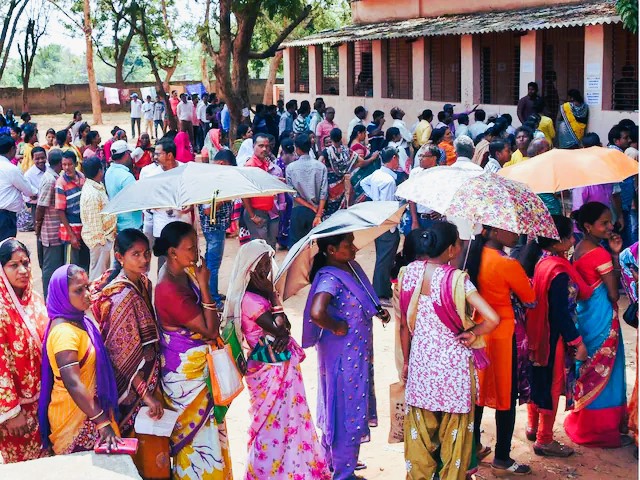
In conclusion, the 2024 Lok Sabha elections unfold amidst unprecedented heatwaves, presenting unique challenges for stakeholders. Mitigation measures, strategic planning, and climate-conscious decision-making are essential to uphold the electoral process’s integrity. As India navigates this electoral season, addressing weather-related risks and fostering resilience will be crucial for preserving democratic principles. The General Elections of 2024 underscore India’s resilience amidst formidable weather conditions. As citizens exercise their voting rights amidst extreme heat, the nation confronts the challenge of conducting elections under such conditions. The prolonged 44-day, 7- phase electoral process highlights Indian democracy’s resilience. However, with climate change expected to worsen weather extremes, reconsidering the election schedule in February-March is imperative. The 2024 elections emphasize India’s enduring democracy and the collective responsibility of every citizen in shaping their nation’s future.
visit ARJASRIKANTH.IN for more insightss
 SOCIAL PERSPECTIVES