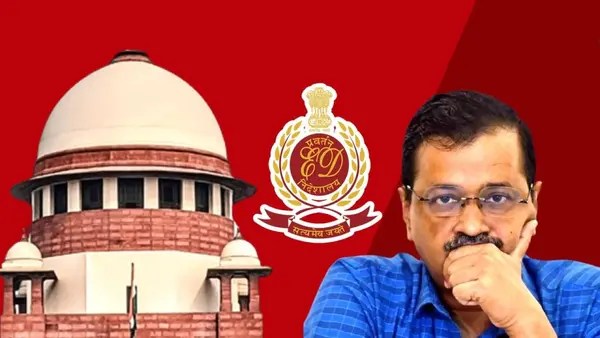
The recent decision to grant interim bail to Arvind Kejriwal until 1st June has brought immense relief to him and his party, especially considering the ongoing Lok Sabha elections. Kejriwal emerged from jail surrounded by supporters, declaring the need to unite and save the country from dictatorship. To understand the intricacies of the court’s decision, it is essential to examine the Enforcement Directorate’s case against Kejriwal and the Supreme Court’s observations. This article delves into the details of the case, the reasons for bail denial, the significance of the Supreme Court’s decision, and its potential implications for other political leaders facing similar situations.
The Enforcement Directorate (ED) has accused Arvind Kejriwal of being vicariously liable in the excise policy scam case. The charge alleges kickbacks involved in the scam, with the funds being funneled for the Aam Aadmi Party’s election campaign in Goa. As the Chief Minister and the head of the state’s policy, Kejriwal is held liable for formulating the policy and enabling money laundering through it. However, the ED has yet to establish a direct connection between Kejriwal and the flow of money. Despite the lack of direct evidence, Kejriwal was denied bail multiple times, highlighting the stringent requirements under section 45 of the PMLA act.

The trial court and the High Court rejected Kejriwal’s bail plea based on the need to establish a prima facie case against him. The prosecution argued that there was sufficient evidence to support the charges. Kejriwal’s lawyers, however, challenged the legitimacy of his arrest, questioning whether he was summoned as an accused or a witness. They highlighted that Kejriwal had sent multiple letters to the ED seeking clarification but received no response. Additionally, they raised concerns about the timing of the arrest, suggesting political motives behind it.
The Supreme Court’s decision to grant interim bail to Kejriwal is significant, considering the timing of the Lok Sabha elections. The court acknowledged that the case would take time to reach a final resolution, and the elections would be over by then. The interim bail is not a finding on merit but rather an arrangement to allow Kejriwal to campaign. The court exercised its power to grant interim bail, emphasizing that campaigning for a political leader like Kejriwal is an essential aspect of a level playing field during elections.

The interim bail comes with certain conditions that Kejriwal must adhere to. These conditions include furnishing a bail bond, not visiting the office of the Chief Minister, and refraining from signing any files unless necessary for official communication with the Lieutenant Governor. These conditions provide Kejriwal with some relief, allowing him to focus on the elections while complying with the legal requirements.
The Supreme Court’s decision and observations open the door for considering political exigencies in similar cases. While each case will be evaluated based on its specific facts, the court’s emphasis on a level playing field for political parties suggests a potential shift in how bail applications of political leaders will be assessed. This decision may have implications for other leaders, such as Hemant Soren, who are facing arrest in money laundering cases.
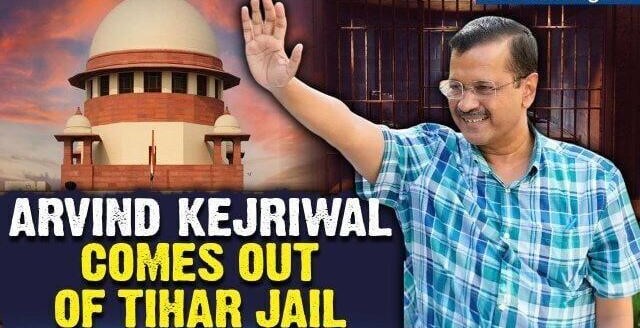
The decision to grant interim bail to Arvind Kejriwal during the Lok Sabha elections is a momentous one, marking the Supreme Court’s intervention to ensure a level playing field for political candidates. While the interim bail is not a finding on merit, it acknowledges the significance of elections and the role of political leaders. The conditions imposed on Kejriwal provide him with some relief while maintaining legal requirements. This decision sets a precedent for considering political exigencies in bail applications and may have implications for other political leaders facing similar situations.
visit arjasrikanth.in for more insights
 SOCIAL PERSPECTIVES