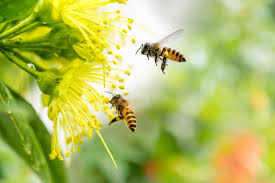
Preserving Pollinators: Sustaining Ecosystems and Agriculture**
In the intricate web of life, pollinators are the unsung heroes, vital threads sustaining ecosystems and bolstering agriculture. While honey bees often take centre stage for their pivotal pollination role, they represent just a fraction of the diverse array of species contributing to this essential ecological function. From moths to bats, a plethora of pollinators play crucial roles in facilitating plant reproduction, each facing distinct challenges in our increasingly human-dominated world.
Despite their importance, the dwindling populations of pollinators, including honey bees, pose significant threats to biodiversity and agricultural yield. This article explores the multifaceted domain of pollinators, shedding light on their significance, the hurdles they encounter, and the ramifications for human welfare. By understanding the intricate interplay between pollinators and their environment, we can cultivate strategies to safeguard these invaluable contributors to our ecosystems and food security, ensuring the flourishing of both nature and humanity in tandem.
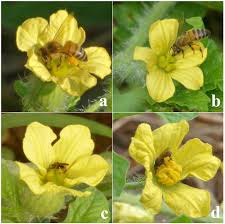
The challenges confronting pollinators, including native and bumblebee species, are multifaceted and arise from various sources such as habitat loss, pesticide exposure, and diseases. While native bees diligently fulfil their role in pollinating flowers, bumblebees face hurdles akin to an outdated animation project from the 1950s. Bee pollination is indispensable for plant reproduction, as they transfer pollen between flowers, ensuring the continuation of plant species. However, these challenges extend beyond honey bees, affecting a wide range of pollinator species crucial for maintaining ecosystems and supporting agriculture. For instance, moths, vital for the pollination of wildflowers, face threats from artificial lights disrupting their nocturnal activities. Additionally, certain bat species play indispensable roles in pollinating mango trees, yet their populations are imperilled by the indiscriminate use of insecticides, disturbing the delicate balance of ecosystems. Addressing these challenges necessitates concerted efforts to mitigate habitat destruction, reduce pesticide usage, and promote conservation measures to safeguard these invaluable pollinators and preserve the health of our environment.

The introduction of honey bees to North America by European settlers marked a transformative moment in agriculture, significantly enhancing crop productivity. Despite their non-native status, honey bees have become indispensable for pollinating crucial crops in American agriculture. However, honey bees constitute only a fraction of North American ecosystems. Native pollinators, such as bumblebees and solitary bees, also play pivotal roles in pollinating indigenous plants, emphasizing the interconnectedness of ecosystems and the urgency of conserving biodiversity. Non-native bee species, while bringing benefits like agricultural pollination and opportunities for scientific research, also pose challenges such as competition with native species, spread of pathogens, and disruption of natural foraging patterns. These non-native species, including some invasive ones, extend beyond their historical territories, offering advantages but also imposing negative impacts, such as competition with natives and ecological changes, underscoring the necessity of balanced management and conservation efforts.

The global decline of pollinator populations presents significant challenges for ecosystems and agriculture. Threats like habitat loss, pesticide use, climate change, and disease outbreaks endanger pollinator species worldwide. The spread of aggressive Africanized honey bees poses safety risks for humans and livestock. Monoculture farming practices and loss of floral diversity exacerbate pollinators’ vulnerability, limiting food sources and nesting habitats. As pollinator populations decline, essential ecological services like crop pollination and ecosystem stability are jeopardized. Bees confront various challenges, including habitat loss, pesticides, air pollution, and disease, largely due to human activities. Urgent conservation efforts are imperative to mitigate these threats and safeguard pollinator populations, crucial for maintaining biodiversity and ensuring global food security.
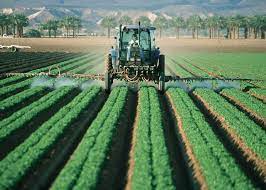
Efforts to counteract the decline of pollinator populations require a comprehensive approach targeting the underlying causes of their dwindling numbers. Conservation initiatives, including habitat restoration, pesticide reduction, and public awareness campaigns, are critical for preserving pollinator habitats and promoting biodiversity. Encouraging sustainable agricultural practices, such as crop diversification and integrated pest management, can mitigate the adverse effects of intensive farming on pollinators. Furthermore, fostering community engagement and collaboration among stakeholders—such as farmers, beekeepers, researchers, and policymakers—is vital for implementing effective pollinator conservation strategies. Creating bee-friendly habitats, using bee-safe pesticides, and preserving wild habitats are actionable steps individuals can take to support pollinator populations. Advocating for ecological agriculture and researching stressors affecting bee populations are essential for long-term pollinator conservation efforts. Integrated pest management, coordinating various pest control methods for sustainable management, further contributes to safeguarding pollinator health and preserving their crucial ecological role.

In conclusion, protecting pollinators is vital for preserving biodiversity and ensuring sustainable food production. Despite honey bees often taking the spotlight, the decline of pollinator populations transcends one species, affecting a diverse range of insects, birds, and mammals crucial for plant reproduction and ecosystem balance. Amidst the complexities of environmental degradation and climate change, safeguarding pollinators emerges as a paramount concern for our collective well-being. Embracing holistic approaches to pollinator conservation offers a pathway to fostering a more resilient and harmonious relationship with nature. By safeguarding pollinator habitats, reducing pesticide use, promoting biodiversity, and raising public awareness, we can cultivate environments where pollinators thrive and ecosystems flourish, benefiting both nature and humanity. This concerted effort not only preserves the tapestry of life but also ensures the sustenance of future generations.
visit arjasrikanth.in for more insights
 SOCIAL PERSPECTIVES