
If we don’t respect, the nature now, the nature will take revenge against not only us, but also our progeny
India is currently in the throes of a severe climate crisis, marked by rising temperatures and escalating extreme weather events. From the devastating infernos engulfing Uttarakhand’s forests to the scorching heatwaves and the vulnerability of coastal regions, the impacts of climate change are starkly visible. In this comprehensive exploration, we delve into the multifaceted dimensions of India’s climate emergency, scrutinizing its root causes and emphasizing the critical necessity for immediate action to alleviate its repercussions.

Uttarakhand, nestled in the lap of the majestic Himalayas, has become a battleground in the fight against raging infernos. The once pristine forests now stand as charred remnants of their former glory, ravaged by the relentless onslaught of wildfires. The frequency and ferocity of these conflagrations have surged to unprecedented levels, leaving behind a trail of destruction and despair. The statistics paint a grim picture – a tenfold increase in the number of fire incidents from March to April, a stark reminder of the urgency of the situation. The confluence of factors such as dwindling rainfall, soaring temperatures, and rampant deforestation has transformed Uttarakhand into a tinderbox waiting to ignite. Immediate intervention is the need of the hour to stem the tide of ecological devastation and preserve the fragile ecosystem for future generations.

India finds itself in the grip of a relentless heatwave, with temperatures soaring to dizzying heights across the length and breadth of the country. The mercury inches perilously close to the 40°C mark, shattering records and sending alarm bells ringing. From the bustling streets of metropolitan cities to the tranquil hamlets of rural India, no corner is spared from the blistering heat. The anomalous occurrence of snowfall in the hitherto cool climes of Jammu and Kashmir serves as a stark reminder of the disruptive forces at play. The scorching heatwave lays bare the harsh reality of a changing climate, thrusting the nation into an existential crisis of unprecedented proportions.
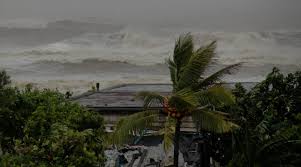
India’s vast coastline, stretching over 7500 kilometres, stands as a silent sentinel against the relentless onslaught of the rising seas. However, this natural bulwark is now under siege, besieged by the twin spectres of rising sea levels and intensifying cyclones. Coastal communities, reliant on the bounty of the ocean for sustenance, find themselves staring into the abyss of uncertainty. The warming of the Indian Ocean has triggered a cataclysmic cascade of events, decimating marine life and destabilizing fragile ecosystems. The confluence of rising sea levels and ferocious cyclones poses an existential threat to millions of lives, necessitating urgent action to fortify coastal defenses and safeguard vulnerable communities.

The mighty Himalayas, revered as the abode of the gods, now stand as silent witnesses to the unfolding tragedy of climate change. Rising temperatures have unleashed a maelstrom of chaos, triggering extreme weather events such as floods and landslides with alarming regularity. The once tranquil rivers now swell with fury, inundating fertile plains and displacing hapless communities in their wake. The Himalayas, long regarded as the guardians of India’s skies, now find themselves in the throes of a climatic cataclysm, threatening to upend the delicate balance of nature. Sustainable land management practices and adaptive measures are imperative to mitigate the impacts of climate change and preserve the ecological integrity of this sacred land.
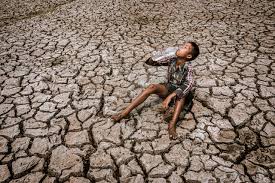
India stands at a crossroads, teetering on the brink of a precipice of its own making. The climate crisis, fueled by human folly and indifference, threatens to engulf the nation in a maelstrom of devastation and despair. The time for action is now – to heed the clarion call of Mother Nature and forge a path towards a sustainable future. It is incumbent upon policymakers, communities, and individuals alike to rise to the occasion and chart a course towards resilience and renewal. Failure to act now will consign future generations to a bleak and desolate landscape, bereft of hope and opportunity. Let us stand united in the face of adversity, and in the immortal words of Mahatma Gandhi, “be the change that we wish to see in the world.” For in our hands lies the power to shape the destiny of our nation and safeguard the planet for posterity.
By acknowledging the importance of protecting our environment and taking proactive steps to address the climate crisis, we can ensure a safer and more sustainable future for generations to come. If we fail to act now, the consequences of our inaction will be felt not only by us but also by our progeny. Better we heed the warning signs and take decisive action to protect our planet and preserve its natural beauty for future generations.
visit arjasrikanth.in for more insights
 SOCIAL PERSPECTIVES
One response to “India’s Climate Crisis: Rising Temperatures and Devastating Impacts”
That article on climate change and heat waves was incredibly insightful and well-written! It effectively conveyed the urgency and severity of the issue while also offering potential solutions. It’s crucial to raise awareness about the impact of climate change on extreme weather events like heat waves, and this article did a fantastic job.
Dr.Srinivas Rao Pasupuleti
LikeLike