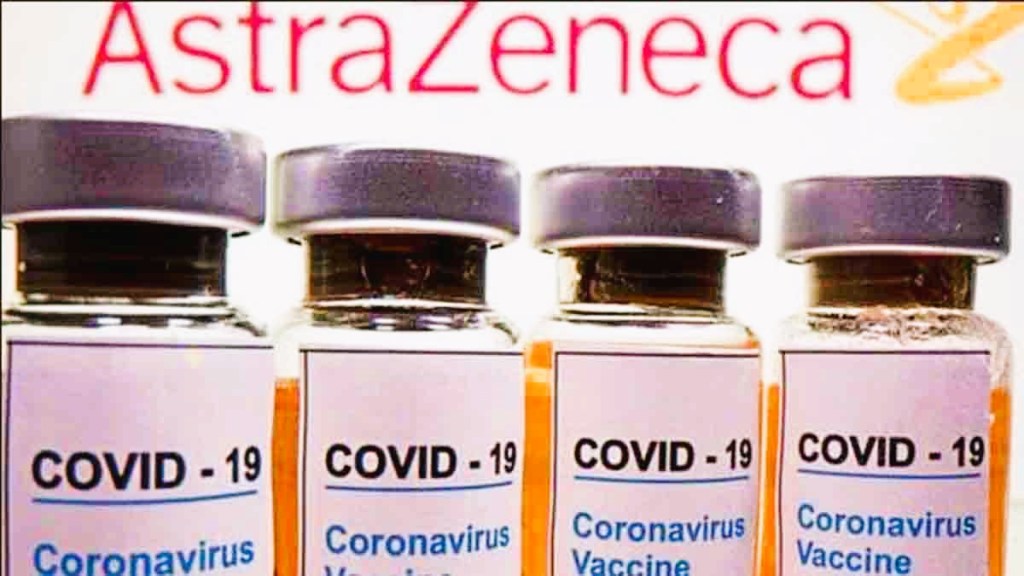
Unravelling the Controversy: COVID Shield Vaccine and the Blood Clot Conundrum
In the global effort against COVID-19, vaccine development and distribution are pivotal. This article delves into the controversy surrounding the COVID Shield vaccine, developed by AstraZeneca and the University of Oxford, amid reports of rare cases of low platelet counts and blood clots. Legal challenges faced by AstraZeneca, vaccine distribution, and associated symptoms are discussed. Advocate Vishal Tiwari’s lawsuit underscores AstraZeneca’s acknowledgment of the vaccine’s potential to cause low platelet counts and blood clot formation. Covishield, the Indian variant of the vaccine, shares these risks. Despite common side effects like pain and fever, severe reactions are rare, with most being temporary. The benefits of vaccination outweigh the risks, with serious adverse events being rare. The response to the controversy highlights the importance of vaccine safety monitoring and transparent communication to maintain public trust in vaccination programs.

AstraZeneca faces legal action over allegations that its COVID Shield vaccine causes fatalities and severe injuries, including Thrombocytopenia Syndrome (TTS), marked by low platelet counts and blood clots. The vaccine, produced in collaboration with the Serum Institute of India, is subject to 51 lawsuits in the UK, with damages sought up to £100 million. Known as Covishield in India, it has received emergency approval in multiple countries but faces legal challenges and accusations. Concerns about production methods, including bulk importation rather than domestic manufacturing, have been raised in India and the UK. Despite these challenges, AstraZeneca asserts Covishield’s safety and efficacy, pledging to continue its global production. However, concerns persist, particularly in India, where reports of sudden deaths allegedly linked to the vaccine’s side effects have emerged. Several European countries temporarily banned Covishield in 2021 due to safety concerns, reflecting widespread apprehensions over its adverse effects.

Individuals experiencing Vaccine-Induced Thrombotic Syndrome (TTS) post-COVID Shield vaccination have reported a range of symptoms, including breathlessness, chest or limb discomfort, headaches, limb numbness, red spots or bruising, and cranial swelling. TTS poses a critical health hazard due to its potential to impede blood circulation through clot formation. Symptoms typically manifest within 5 to 10 days after vaccination and may include headache, dizziness, nausea, vomiting, difficulty swallowing, shortness of breath, paralysis, and vision problems. In rare cases, TTS can be fatal or cause permanent damage, underscoring the importance of recognizing symptoms and seeking immediate medical attention. While the risk of TTS is relatively low, with only seven to eight individuals out of 10 lakh vaccinated facing this rare side effect, vigilance is crucial, especially after the first dose. AstraZeneca acknowledges Covishield can cause TTS, characterized by blood clots with low platelets, with symptoms such as severe headaches and abdominal pain. Treatment typically involves anticoagulation therapy and intravenous immunoglobulin. Recognizing symptoms like severe headaches, abdominal pain, vomiting, diarrhoea, limb pain, rash, and redness of the palms, soles, tongue, and eyes is essential for prompt medical intervention and management of TTS.

Before India’s vaccine rollout, the government issued a January 2021 fact sheet, warning those with thrombocytopenia about the COVID Shield vaccine. In March 2021, European nations paused AstraZeneca vaccine use due to clotting concerns. The WHO noted low-risk TTS cases post-vaccination with COVID Shield and AstraZeneca vaccines. Amid a UK class-action lawsuit alleging fatalities and injuries, AstraZeneca acknowledged Covishield’s potential to cause TTS. Covishield, developed with the University of Oxford, is widely distributed in India by the Serum Institute of India (SII). Despite SII listing rare blood clotting as a side effect, over 174 crore doses were administered in India by October 2023. Legal experts anticipate global lawsuits affecting vaccination trust if claimants succeed. Concerns arise about potential legal actions in India, including a Public Interest Litigation (PIL) against the drug regulator. AstraZeneca’s admission raises TTS awareness, possibly leading to significant compensation payouts. However, AstraZeneca maintains that vaccine benefits outweigh risks.
In 2021, the Indian government documented 26 potential thromboembolic incidents post-COVID Shield vaccine administration, indicating blood clot formation in vessels. The Union Health Ministry, deeming these cases minimal, reiterated the vaccine’s positive benefit-risk ratio in curbing infections and fatalities linked to COVID-19.
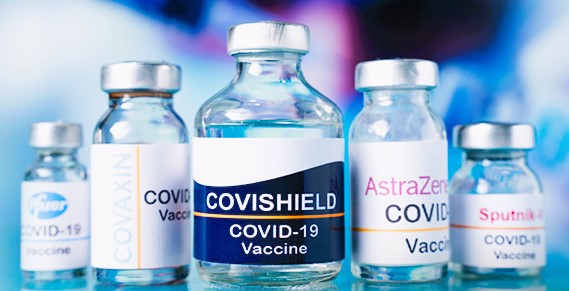
The controversy surrounding the COVID Shield vaccine and its alleged correlation with low platelet counts and clotting phenomena has reverberated globally. AstraZeneca faces legal challenges as victims seek compensation. While TTS instances remain rare, they underscore the importance of vigilant vaccine safety monitoring and swift response to potential risks. National and international reactions vary, with temporary suspensions witnessed in some regions. Nonetheless, the consensus emphasizes the vaccine’s marginal TTS risk compared to its pivotal role in mitigating COVID-19 spread and mortality rates. As global inoculation efforts continue, transparency, thorough investigations, and a steadfast commitment to public health and safety remain imperative.
visit arjasrikanth.in for more insights
 SOCIAL PERSPECTIVES