The Warning Sign for India: The Importance of Hot Humid Climate for Dengue Growth in Latin America!!!
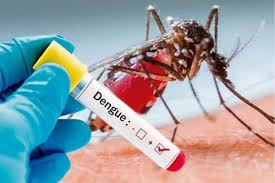
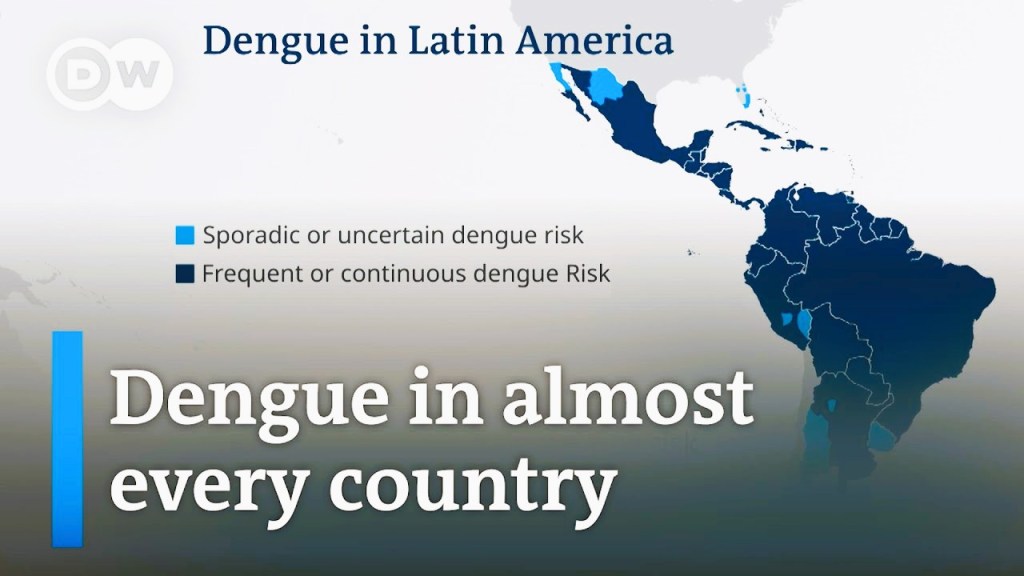
The resurgence of dengue fever presents a significant threat, especially in Latin American countries like Brazil, mirroring conditions in India. With 5.9 million cases reported in April 2024, triple the previous year’s count, Brazil leads, followed by Argentina and Paraguay. Dengue, transmitted by Aedes mosquitoes, affects one in four individuals, with potential fatal outcomes. Though the 2023 Americas report by the WHO showed 4.5 million cases and 2,300 deaths, the mortality rate is relatively low. Experts attribute the surge to climate change, as warmer temperatures prolong mosquito breeding seasons, facilitating disease spread. Proactive measures, including mosquito population control and awareness campaigns, are crucial to curbing the disease’s impact.
Dengue fever presents with a spectrum of symptoms, ranging from extreme fatigue and joint pains to high fever and rashes, sometimes leading to haemorrhagic fever and fatal outcomes. Globally, dengue claims about 40,000 lives annually, posing a significant public health threat. Symptoms include fever, headache, body aches, nausea, and rash, usually lasting 1–2 weeks. Severe cases exhibit symptoms like severe abdominal pain, vomiting, and bleeding, warranting immediate medical attention. The critical phase occurs between the 3rd and 7th day after fever onset, characterized by fatigue, restlessness, and bleeding. Dengue can progress to dengue haemorrhagic fever (DHF), posing a life-threatening risk due to increased vascular permeability and shock, with a high fatality rate in dengue shock syndrome. Previously, symptomatic infection was classified into mild dengue fever and severe dengue haemorrhagic fever (DHF I-IV), with DHF grades III and IV constituting the most severe form, dengue shock syndrome (DSS).

Climate change significantly contributes to the spread of dengue-carrying mosquitoes, thriving in the hot and humid climates of Latin American countries. As temperatures rise and weather patterns change, mosquito populations increase, leading to dengue outbreaks even in regions like Uruguay and Chile, previously unaffected. Rising global temperatures have expanded the suitable climate for dengue transmission, increasing by almost 9 percent for Aedes aegypti and 15 percent for Aedes albopictus between 1950 and 2018. Climate factors like temperature and rainfall affect mosquito biology and dengue incidence. High temperatures elevate the risk of dengue infection, while extreme rainfall reduces it. In 2022, global dengue cases exceeded 4.2 million, with Asia bearing 70 percent of the burden. Mosquito populations thrive with rising temperatures, facilitating dengue transmission in previously non-endemic areas. Climate change exacerbates the spread of dengue, emphasizing the urgent need for proactive measures to mitigate its impact and protect vulnerable populations.
In recent decades, Latin America has seen a significant surge in dengue cases, with annual reports rising from half a million to 4.5 million last year and expected to exceed 6 million this year. Brazil, in particular, faces a severe outbreak, prompting the construction of field hospitals in Brasília to manage the influx of patients. Similar to COVID-19, many dengue infections are asymptomatic, but about one in four individuals experience symptoms, enduring a painful illness known as break-bone fever. Unlike COVID-19, dengue is transmitted by mosquitoes, whose expanding range and increased infectivity due to climate change contribute to the disease’s spread. As temperatures increase, mosquito populations thrive, posing greater public health challenges. This alarming situation underscores the urgent need for proactive measures to control mosquito populations and mitigate the impact of dengue on affected regions.


The parallels between dengue and the COVID-19 pandemic are evident in their rapid spread and diverse symptoms, including asymptomatic cases. Both diseases can be combated with similar preventative measures such as insect repellent, yet the lack of specific treatments or widely available vaccines for dengue poses challenges. Lessons from COVID-19 stress the importance of public health education, effective mosquito control, and early detection and treatment of dengue cases. This underscores the need for well-equipped healthcare systems and global cooperation to tackle infectious diseases. Dengue, transmitted by mosquitoes, demands proactive measures to mitigate its impact. In light of COVID-19 experiences, prioritizing public health initiatives, bolstering mosquito control, and fortifying healthcare systems are essential in curbing dengue’s spread and protecting global public health.

In the short term, efforts to combat dengue focus on vaccination, with a vaccine introduced in 2015. However, its efficacy is limited to individuals previously infected with a specific strain. Second-generation vaccines are in development, offering better protection, but may not be widely available until next year. Meanwhile, governments employ fumigation and insecticide spraying to control mosquito populations. Innovative methods, like introducing bacteria to mosquitoes to reduce dengue transmission, show promise but face financial hurdles for large-scale implementation. Despite challenges, proactive mosquito control measures are vital to curbing dengue’s impact on public health.
The looming threat of dengue fever, especially prevalent in hot and humid regions like Latin America and India, demands urgent attention. Climate change and urbanization have amplified its spread, necessitating governments to prioritize robust public health policies and allocate adequate resources to combat this disease. Enhanced vaccines, widespread public awareness campaigns, and efficient mosquito control measures are imperative in mitigating dengue’s impact on vulnerable communities. As Latin American nations struggle with the current outbreak, India must not overlook the warning signs but instead take proactive steps to shield its populace from the escalating menace of dengue.
visit arjasrikanth.in for more insights
 SOCIAL PERSPECTIVES