
The Supreme Court of India reaffirms its trust in Electronic Voting Machines (EVMs), highlighting their crucial role in ensuring efficient, accurate, and transparent elections !!!
In today’s digital era, technology profoundly influences governance, with over 1.5 Million , Electronic Voting Machines (EVMs) playing a pivotal role, notably in India, the world’s largest democracy. EVMs promise streamlined, precise, and transparent elections, revolutionizing electoral processes. India’s Supreme Court recently reaffirmed their significance, highlighting their indispensable role in upholding democratic integrity. This article explores EVM functionality, Supreme Court directives, and their broader implications on India’s democratic trajectory. It examines the legal framework governing EVM deployment and analyzes how EVMs enhance electoral transparency, efficiency, and fairness. Ultimately, this discussion underscores EVMs’ pivotal role in shaping India’s democratic future, reflecting the ongoing evolution of electoral processes in the digital age.
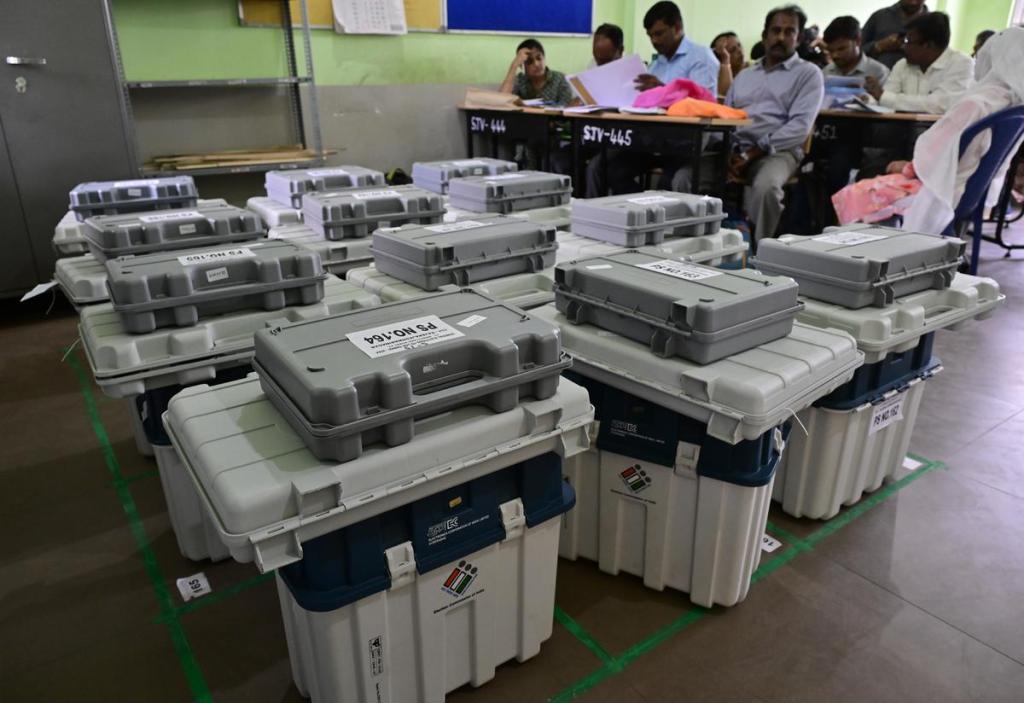
Electronic Voting Machines (EVMs) have transformed Indian elections, addressing historical vulnerabilities like booth capturing and tampering. Developed collaboratively with inputs from the Election Commission of India and technical experts, Indian EVMs prioritize accountability and autonomy. These machines integrate robust security features, including secure cable connections and battery power, and enhancements like the Voter Verified Paper Audit Trail (VVPAT) increase transparency. Technical measures like one-time programmable chips and source code audits ensure further security. Rigorous electoral protocols, such as mock polls and strong room storage, bolster integrity. Experts affirm the resilience of Indian EVMs against hacking, highlighting their efficiency and reliability. Despite calls for paper ballots, EVMs demonstrate India’s engineering prowess and commitment to electoral integrity, streamlining procedures and improving accuracy.

The Supreme Court’s unwavering trust in Electronic Voting Machines (EVMs) underscores their critical role in fostering democratic elections, emphasizing transparency, fairness, and accuracy. By endorsing EVMs, the court asserts that technology is vital for upholding democratic values. It emphasizes open dialogue and transparency to address concerns and improve the electoral system. Refusing intervention on EVM-VVPAT verification issues, the court upheld penalization for false complaints. It urged the Election Commission to explore electronic methods for VVPAT slip counting, suggesting unique bar codes for political parties. Additionally, it mandated sealing Symbol Loading Units after symbol loading and verifying burnt memory of EVMs in case of suspicion, starting May 1, 2024. These directives aim to enhance electoral transparency and integrity, reaffirming the judiciary’s commitment to ensuring free and fair elections in India.
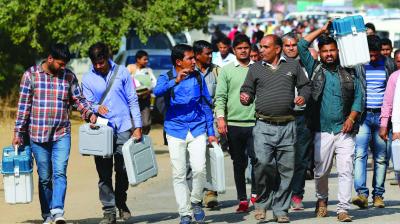
Ahead of the 2024 Lok Sabha elections, a nationwide awareness campaign is underway to educate citizens about Electronic Voting Machines (EVMs) and Voter Verifiable Paper Audit Trail (VVPAT). With activities covering 3464 Assembly Constituencies across 613 Districts, including mobile vans and demonstration centers, the program emphasizes EVM and VVPAT functionality through physical demonstrations. This initiative aims to boost voter confidence and ensure informed participation in the electoral process. Additionally, the Election Commission of India has proposed measures to enhance the credibility of EVMs, including sealing and storing EVM units used for symbol loading for 45 days post-loading. This directive allows thorough examination of any complaints or discrepancies by engineers from EVM manufacturers, enhancing transparency and accountability. The Commission’s proactive approach underscores its commitment to upholding democratic principles, ensuring public trust in the electoral process. By implementing such recommendations, the Election Commission aims to address concerns effectively and uphold the integrity of democratic elections, further strengthening India’s democratic institutions.

Chief Election Commissioner reassured the public about Electronic Voting Machines (EVMs), highlighting transparency in their allocation to polling stations. Parties receive detailed EVM information, and warehouse access is regulated, with party representatives present. Polling agents can verify votes cast in each EVM before counting. Kumar also addressed social media misinformation, warning of legal action. Meanwhile, opposition parties have raised concerns about EVMs, advocating for 100% Voter-Verified Paper Audit Trail (VVPAT). The Supreme Court’s directives aim to address these concerns while preserving trust in the electoral system. Acknowledging the delicate balance between trust and improvement, the court advocates for evidence-based discussions. Mandating VVPAT implementation, the court seeks to restore confidence in the electoral process, underscoring its commitment to democratic integrity. Through transparent measures, the Supreme Court aims to address concerns, reinforcing public faith in elections.
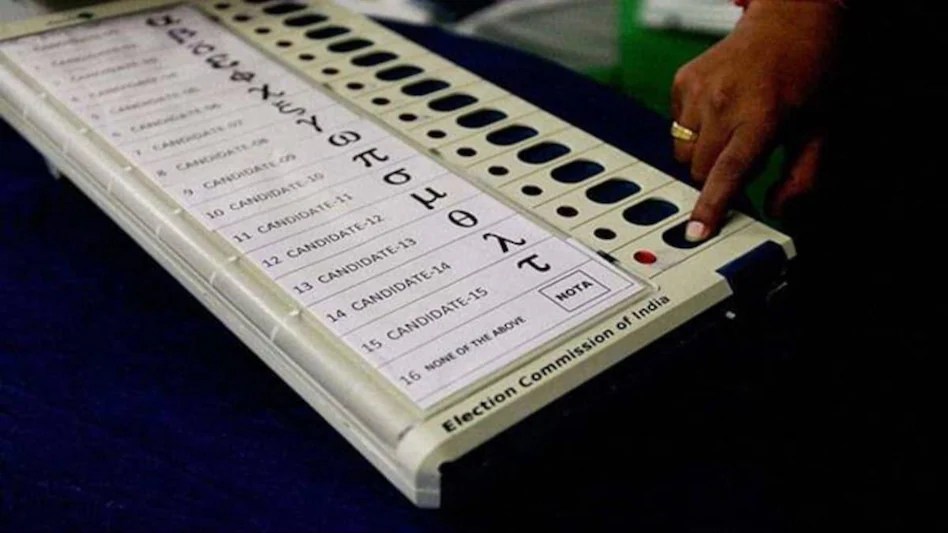
The recent Supreme Court ruling reaffirms trust in EVMs, highlighting technology’s role in strengthening democracy. Court directives, including sealing and storing EVMs and promoting transparency, enhance public confidence in elections. EVMs, vital for India’s democracy, ensure electoral integrity. Research supports EVM security, emphasizing collaborative design and dedicated programming. The Supreme Court’s endorsement reflects a commitment to modernize electoral systems while upholding democratic values. Implementing measures to enhance transparency fosters trust in elections, crucial for democratic integrity. As technology evolves, embracing innovations aligned with democratic principles is essential for fair and credible elections, ensuring India’s progress.
visit arjasrikanth.in for more insights
 SOCIAL PERSPECTIVES