
In contemporary society, advertisements permeate every aspect of daily life, shaping consumer choices and perceptions. However, amidst the proliferation of marketing campaigns, a darker underbelly exists – misleading advertisements. These deceptive practices not only erode consumer trust but also pose significant risks to public health and well-being. In a recent Supreme Court hearing, the spotlight was cast on this pressing issue, igniting discussions on consumer protection and the imperative need to combat disinformation.
At the heart of the discourse lies Rule 170 of the Drugs and Cosmetics Rules, 1945 – a pivotal regulation designed to curb misleading advertisements for Ayurvedic, Siddha, and Unani drugs. However, the startling revelation that this crucial rule was omitted by the central government sent shockwaves across the nation. The removal of Rule 170 raised serious concerns about the government’s commitment to safeguarding consumer interests, prompting widespread criticism and calls for accountability.

The Supreme Court hearing served as a platform to dissect the ramifications of this omission and delve into the broader landscape of misleading advertisements. Justices Hima Kohli and Ahsanuddin Amanullah spearheaded discussions, shedding light on the far-reaching implications of deceptive marketing practices. Their impassioned pleas underscored the urgency of the situation, particularly emphasizing the detrimental impact on vulnerable groups such as families and children.

In a bid to unravel the complexities surrounding misleading advertisements, the court’s scrutiny extended beyond the pharmaceutical realm to encompass other sectors, notably the fast-moving consumer goods (FMCG) industry. This expanded scope shed light on the pervasive nature of deceptive marketing tactics, further reinforcing the imperative need for robust regulatory measures.
Central to the discourse was the role of the Indian Medical Association (IMA) in endorsing products and practices within the allopathic field. The court’s scathing critique of the IMA’s endorsement practices and allegations of unethical behaviour among its members laid bare the systemic challenges plaguing the medical industry. The lack of accountability and oversight within the medical fraternity compounded the challenges in upholding consumer rights and ensuring ethical standards.

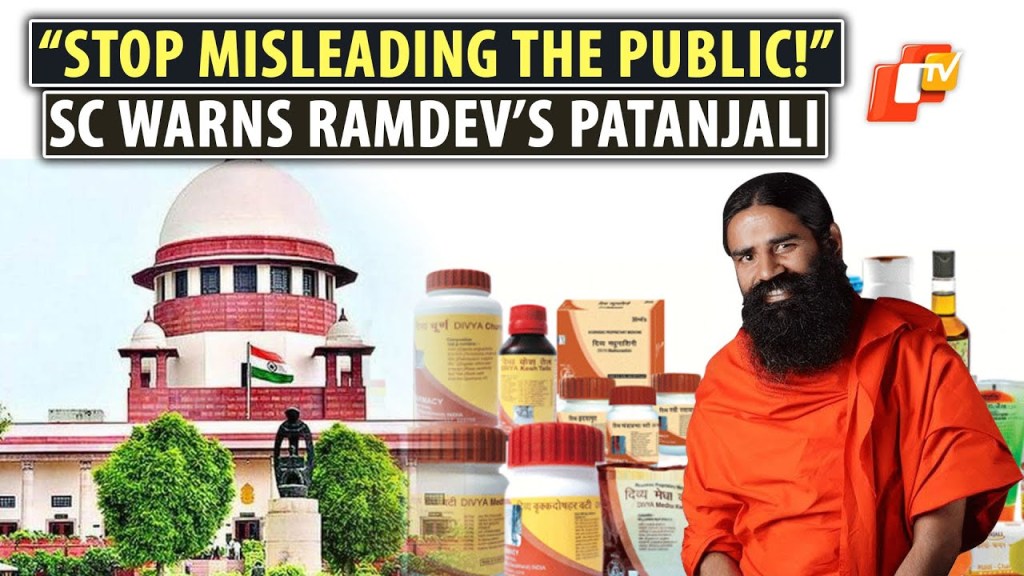
The courtroom drama reached a crescendo with the emergence of high-profile controversies surrounding Patanjali’s products and endorsements. These scandals served as a stark reminder of the grave consequences of false advertising, prompting the court to take decisive action. The imposition of sanctions, including the ban on Patanjali from advertising its products, signalled a resolute stance against deceptive practices and a commitment to upholding consumer welfare.
In response to the burgeoning concerns surrounding misleading advertisements, regulatory frameworks such as the Consumer Protection Act, 2019, and the Central Consumer Protection Authority emerged as bulwarks against malpractices. These legislative measures sought to instill transparency, accountability, and consumer-centricity within the advertising industry, offering a glimmer of hope amidst the prevailing chaos.

As consumers navigate the labyrinth of advertisements, vigilance and awareness emerge as their strongest allies. The court’s proceedings served as a clarion call for heightened scrutiny and discernment, urging individuals to question, critique, and challenge deceptive marketing narratives. In the battle against misleading advertisements, the collective efforts of regulatory bodies, judicial authorities, and vigilant consumers hold the key to fostering a fair, transparent, and accountable advertising landscape.
In conclusion, the Supreme Court hearing unmasked the pervasive threat of misleading advertisements, laying bare the systemic failures and ethical lapses that jeopardize consumer welfare. The imperative need for robust regulatory measures, ethical standards, and consumer empowerment emerged as central tenets in the fight against deceptive marketing practices. As the battle rages on, it is incumbent upon all stakeholders – from policymakers to consumers – to join forces in safeguarding the sanctity of truth, transparency, and consumer protection in the realm of advertising. Only through concerted efforts and unwavering commitment can the tide be turned, heralding a new era of integrity, accountability, and trust in advertising practices.
visit arjasrikanth.in for more insights
 SOCIAL PERSPECTIVES