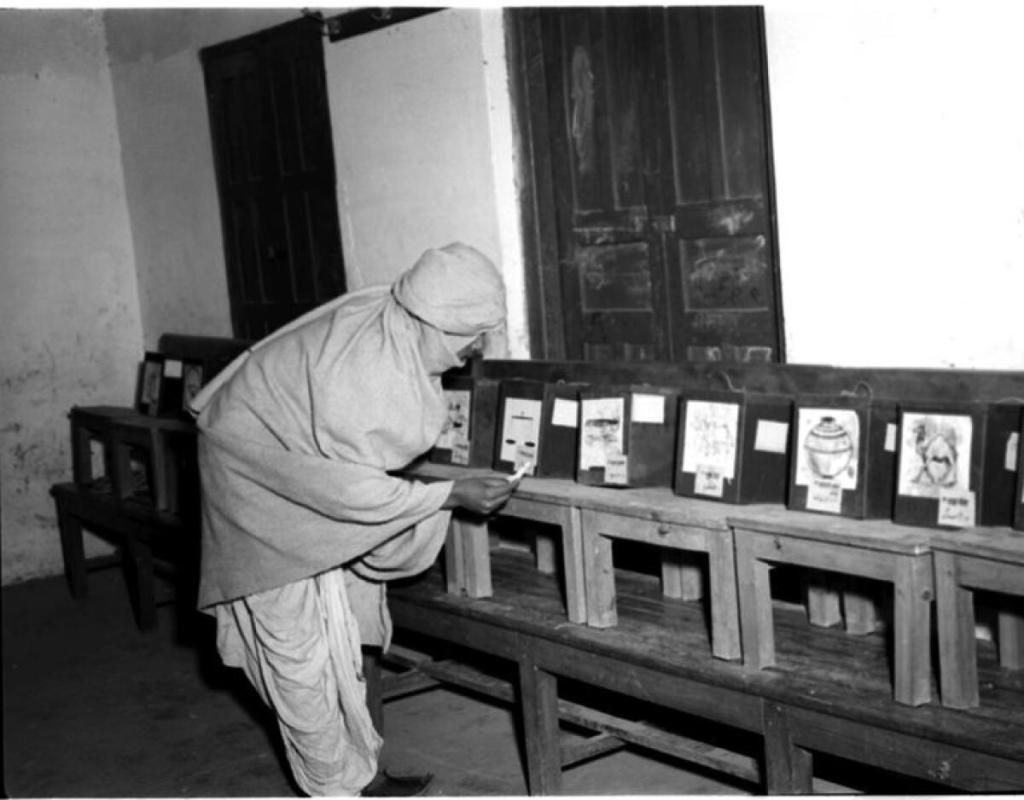
Celebrating the Historic Journey of India’s Inaugural General Elections
India’s journey toward democracy post-independence culminated in the monumental event of its first general elections in 1951-1952. From the shackles of British colonial rule to the dawn of a vibrant democratic process, the nation traversed a path fraught with challenges and aspirations. This article delves into the intricacies of this historic moment, exploring its significance, challenges, and enduring legacy.
India’s inaugural general elections, conducted over 72 years ago, stand as a pivotal moment in the nation’s narrative. Despite initial Western skepticism toward India’s democratic experiment, these elections proved immensely successful. Despite the vastness of the nation and widespread illiteracy, the 1951 elections garnered global attention, showcasing India’s commitment to democratic ideals. The Indian National Congress (INC), commonly known as the Congress Party, played a central role in this historic event. Established on December 28, 1885, the INC holds deep roots across India and is recognized as the first modern nationalist movement in the British Empire in Asia and Africa. Its founding marked a significant step toward India’s independence struggle, and its subsequent participation in the democratic process underscored the nation’s dedication to democratic principles. The 1951 elections not only solidified India’s status as the world’s largest democracy but also set a precedent for future electoral processes, laying the foundation for a vibrant and pluralistic political landscape.
India’s inaugural elections, spanning from October 1951 to February 1952, were among the lengthiest in its democratic history. The groundwork for these elections commenced in November 1947, shortly after India’s independence, setting a precedent for universal adult franchise without prior electoral experience, unlike other nations with colonial legacies. This endeavour presented formidable challenges, from establishing administrative frameworks to acquainting a predominantly illiterate populace with democratic principles.

Prime Minister Jawaharlal Nehru’s rallying cry of “Naya Hindustan Zindabad (glory to the new India)” epitomized the historic significance of the moment. Despite being a nascent democracy, India boldly embarked on its maiden general election, resulting in a resounding victory for the Indian National Congress (INC). The INC secured 45% of the vote and a staggering 364 of the 489 seats, solidifying its dominant position. In contrast, the Socialist Party, the runner-up, garnered a mere 11% of the vote and clinched only twelve seats. This electoral outcome underscored the INC’s widespread popularity and laid the groundwork for its enduring political influence in post-independence India.
India faced significant challenges in organizing its first general election due to its vast size and diversity. The administrative machinery had to cover remote regions, and transitioning from monarchical rule in princely states to democratic elections was unprecedented. The concern over whether the largely illiterate population could make informed choices added complexity. Led by Chief Election Commissioner Sukumar Sen, the election spanned from October 1951 to February 1952, marking a monumental leap into universal adult franchise post-independence. The Election Commission of India (ECI) undertook a door-to-door voter registration campaign, although strict guidelines led to the exclusion of millions of women. Despite these hurdles, the election aimed to establish robust electoral governance in a diverse and challenging environment.
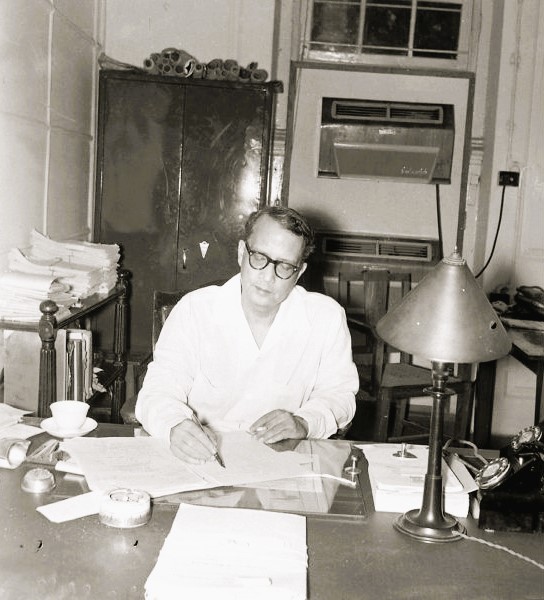
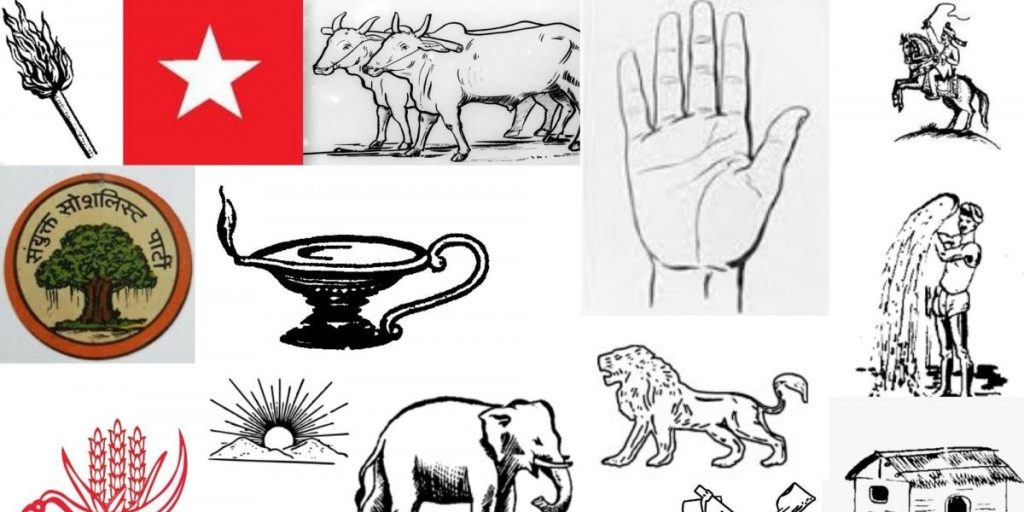
The introduction of distinctive party symbols and steel ballot boxes streamlined the voting process, ensuring both secrecy and transparency. Despite logistical challenges, voting commenced across multiple phases in October 1951, with varying turnouts observed nationwide. In April 1952, the Indian National Congress secured a significant majority in the Lok Sabha, with key leaders like Jawaharlal Nehru and Syama Prasad Mookerjee emerging victorious. However, Morarji Desai suffered defeat while Ravi Narayan Reddy of the Communist Party achieved the largest majority, showcasing the political diversity of the nation. Chief Election Commissioner Sen hailed the election as a triumph, underscoring India’s commitment to democracy. Despite obstacles and significant financial expenditure, the inaugural election laid a solid foundation for future electoral processes, reaffirming the nation’s unwavering faith in democratic principles.
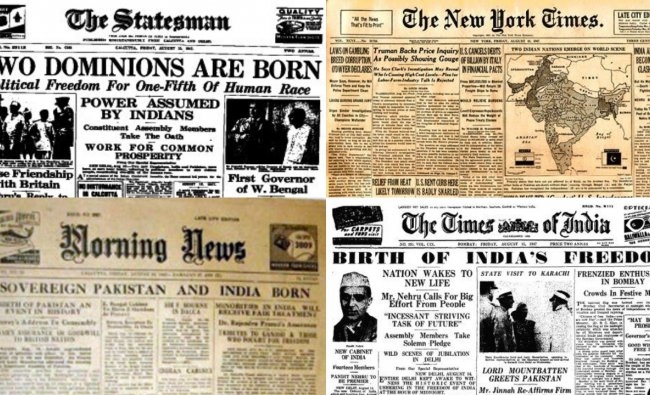
The international media and publications widely praised India for successfully conducting the elections. Articles from renowned publications such as The New York Times and British newspapers lauded India’s unprecedented experiment in democracy. Headlines captured the spirit of applause, hailing the elections as the largest free elections in history and a challenge to all of Asia. The reports also commended the low levels of corruption and violence observed during the elections, particularly highlighting the responsible behaviour of the largely illiterate population.
India’s decision to grant voting rights to all adult women in its first general elections was met with admiration. In countries like Britain and Ireland, where women were still fighting for suffrage, the inclusion of women voters in India was seen as a historic milestone. Irish publications, in particular, celebrated the fact that Indian women, including housewives, were able to exercise their right to vote. The magnitude of the number of eligible women voters, approximately 8.5 million out of 17.5 million, further intensified the appreciation for India’s commitment to gender equality in the electoral process.
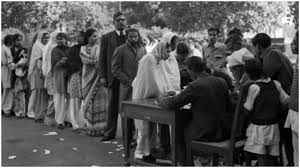
During the Cold War era, the rise of communism was a major concern for the United States and Britain. While the Communist Party of India did show some success in the southern states, the international media focused more on the economic conditions in India. Western countries reacted by providing increased economic aid to India, believing that addressing economic progress would counter the appeal of communism in rural areas.
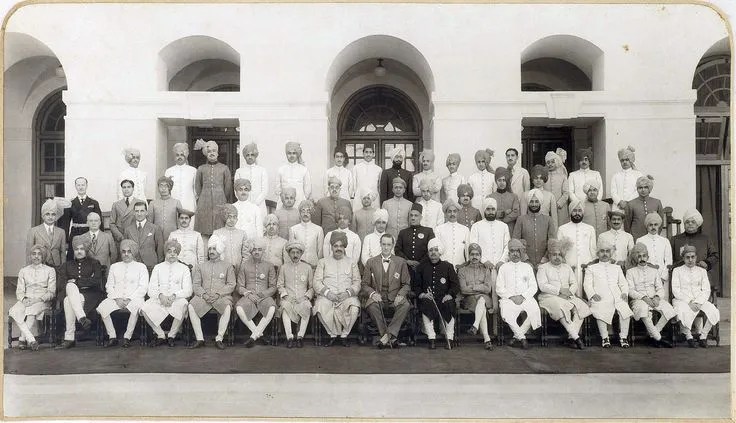
The princely states, which had recently merged with India, also participated in these elections. This was their first experience of democratic elections, and it marked a significant shift for these states and their ruling families. The elections provided an opportunity for princely families to engage in democratic politics, and their victories garnered curiosity and attention in international publications. Countries closer to India, such as Indonesia, closely followed the elections. There was apprehension about how India’s democratic experiment would fare, considering the diverse social and political landscape of the region.
India’s inaugural general elections defied scepticism, demonstrating the nation’s unwavering commitment to democracy. Despite the vastness of the country and high illiteracy rates, India successfully conducted the largest free elections in history. International media recognized and praised this achievement, especially noting the inclusion of women voters and the responsible conduct of the electorate. The elections also prompted increased economic aid from Western countries to address socio-economic challenges. Overall, India’s first elections laid a robust foundation for its democratic journey, serving as an inspiring example for nations worldwide.
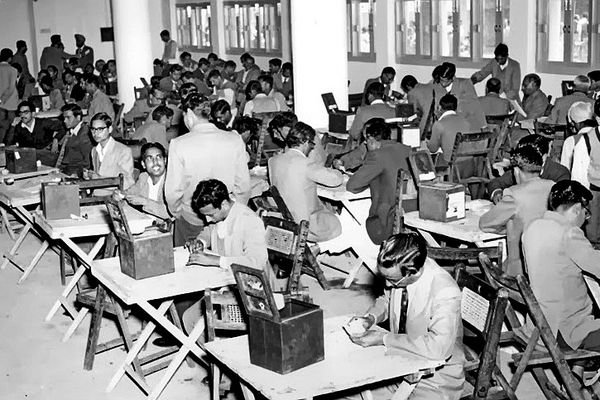
India’s journey from colonial rule to democracy reached a historic milestone with its inaugural general elections in 1951-1952. Despite numerous challenges, including vast size, diversity, and illiteracy, India boldly embarked on its democratic experiment, showcasing its unwavering commitment to democratic principles. The successful conduct of these elections solidified India’s status as the world’s largest democracy and set a precedent for future electoral processes. With over 960 million voters participating in modern-day elections, India continues to uphold its democratic values, serving as a beacon of hope and inspiration for nations worldwide.
visit arjasrikanth.in for more insights
 SOCIAL PERSPECTIVES