From Ancient Rites to Modern Marvels: Delving into the Surya Tilak Phenomenon at Ayodhya’s Ram Temple!!!
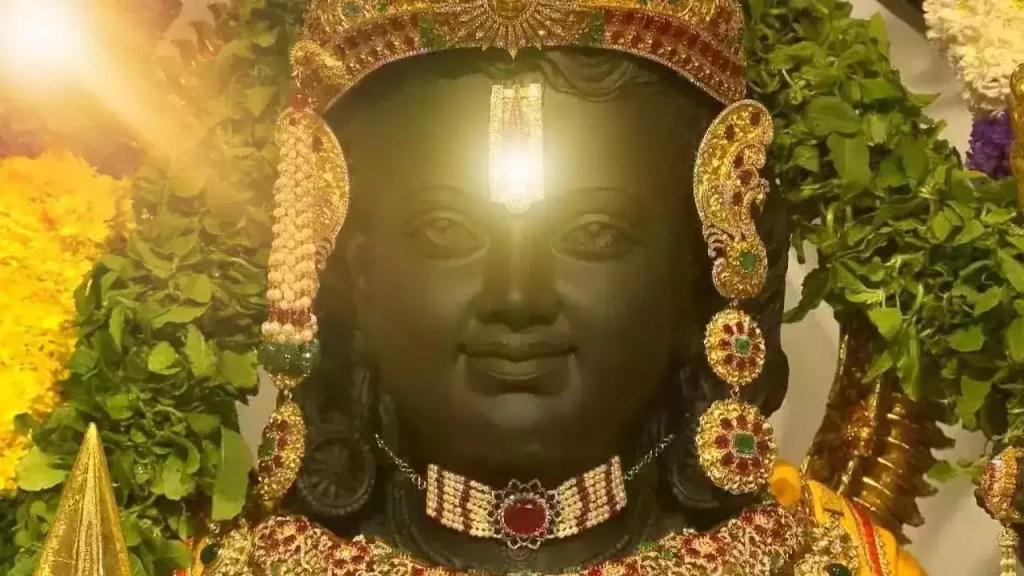
The recent Ayodhya event, where the sun’s rays formed a Surya Tilak on the forehead of Ram Lala, has ignited a profound exploration of the intricate interplay between politics, religion, and modernity. This extraordinary occurrence not only underscores the significance of the sun in Hindu mythology but also highlights its profound connection to Lord Ram. Delving into the roots of this event reveals a rich tapestry of ancient traditions, scientific marvels, and the influence of political decisions. This article aims to unravel the intricate threads that bind these elements together, shedding light on the profound impact they have on our society.
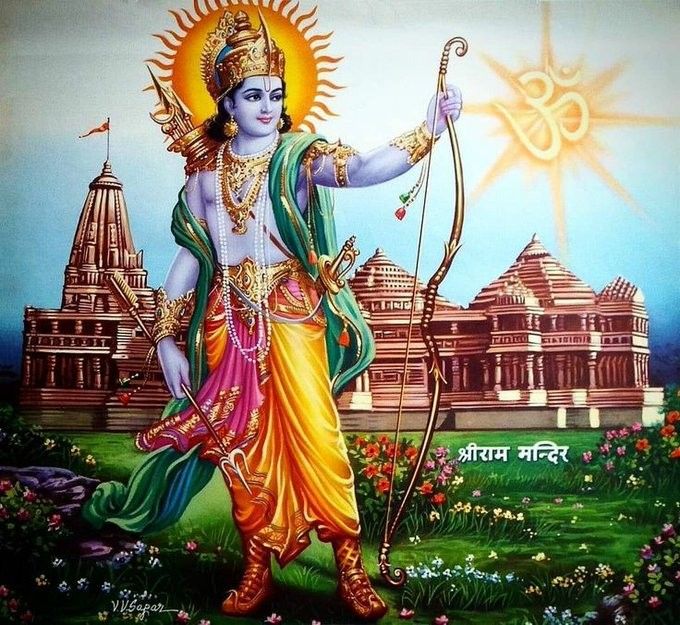
In Hindu mythology, Lord Ram is revered as the descendant of Surya, the sun god. This lineage establishes a robust connection between Ram and the sun, emphasizing the pivotal role of the sun’s grace in Ram’s life. Additionally, Ram’s tutelage under Vishwamitra, associated with the Gayathri Mantra and the sun’s grace, further reinforces this sacred bond. The worship of Surya, known as Surya Bhagavan, has been deeply ingrained in various temples across India, showcasing the enduring reverence for the sun.

Ayodhya, revered as the birthplace of Lord Ram, resonates deeply with the symbolism of the sun’s radiance and significance. Historical records, including those documented by Al-Biruni, an 11th-century traveller from Uzbekistan, vividly portray the existence of Surya Temples in the region dating back over a thousand years. These temples, spanning from Kashmir to Gujarat to Odisha, stand as enduring symbols of the prevalent Surya worship culture. The alignment of Ayodhya with the sun’s resplendent nature further solidifies the profound connection between Lord Ram and the sun.
The recent Ayodhya event, where the sun formed a Surya Tilak on Ram Lala’s forehead, brought together politics, religion, and modernity in a unique and unprecedented manner. The construction of the Ayodhya Temple and the involvement of the Prime Minister’s office in its design and execution exemplify the political dimension of the event. Concurrently, the event’s religious significance, rooted in ancient traditions and beliefs, captivated the hearts and minds of millions.

Furthermore, the event showcased the marvels of modern technology and scientific advancements. The challenge of creating a mechanism that can withstand the test of time and remain reliable for a hundred years highlights the integration of science and engineering in the construction process. The event’s mention in the Ram chandler Manas and its connection to the ancient scriptures further emphasize the interplay between religion and science.

The Ayodhya event, with its Surya Tilak phenomenon, serves as a powerful example of the close knitting of politics, religion, and modernity. The deep-rooted connection between Lord Ram, Ayodhya, and the sun underscores the ancient traditions and beliefs that continue to shape our society. Simultaneously, the involvement of political institutions and the integration of modern technology showcase the evolving nature of these traditions.
As we reflect on the Ayodhya event, we are reminded of the timeless wisdom embedded in our scriptures and the imperative to embrace both tradition and innovation. The intricate relationship between politics, religion, and modernity beckons us to explore the multifaceted nature of our cultural heritage and the profound impact it has on our collective consciousness. By acknowledging and appreciating these connections, we can navigate the complexities of our modern world while preserving the essence of our ancient wisdom.
visit arjasrikanth.in for more insights
 SOCIAL PERSPECTIVES