Unravelling the Controversy Behind Health Drinks: A Call for Clarity and Accountability !!!
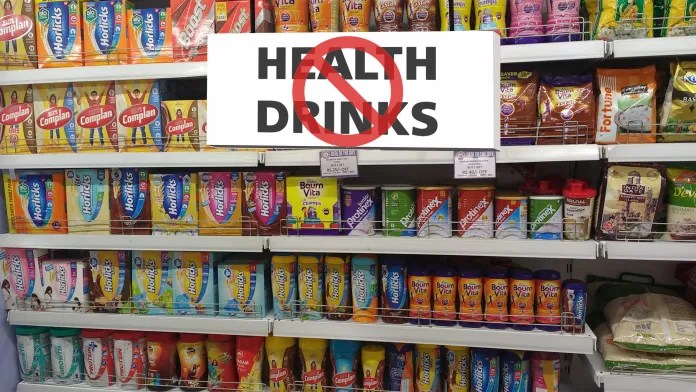
In today’s dynamic market landscape inundated with a plethora of enticing yet often misleading advertisements, consumers wield significant influence in driving the demand for health drinks. However, amidst the absence of clear definitions for such beverages, consumer education becomes imperative. It’s crucial for individuals to take charge by carefully examining product labels, ensuring they align with their nutritional goals and expectations.
The projected growth of the global health drink market to a staggering $49.3 billion by 2028 underscores the rising significance and popularity of these beverages. Offering a diverse array catering to hydration, rejuvenation, health, wellness, and weight management, health drinks have become an integral part of consumers’ lifestyles worldwide. Notably, India’s health and wellness food and beverage sector has witnessed remarkable expansion, surpassing growth rates in the broader Asian region. With sales soaring to $16 billion in 2023, India solidified its position as the 15th largest health and wellness market globally.
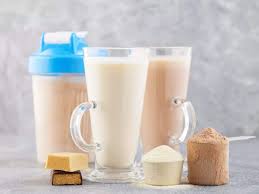
However, this surge in demand also brings to light several pressing challenges and concerns surrounding the marketing, labeling, and regulation of health drinks. One of the primary challenges is the absence of a standardized definition for health drinks in food laws. This regulatory loophole has allowed companies to market their products as beneficial for consumers, especially children, without adhering to specific safety standards. The ambiguity surrounding the definition of health drinks raises questions about the accuracy of labelling and the safety of these products. As consumers increasingly prioritize health and wellness, there is a growing demand for transparency and accountability in the food industry.
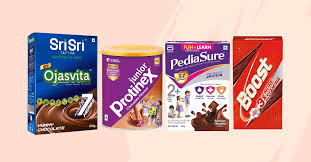
A significant concern with many health drinks is their high sugar content. Despite being marketed as nutritious supplements, several popular powder supplement drinks exceed acceptable sugar limits, posing potential health risks, particularly for children. The National Commission for Protection of Child Rights has urged regulatory bodies to take decisive action against companies failing to meet safety standards and guidelines. This issue has sparked public outcry and raised awareness about deceptive marketing practices, prompting calls for stricter regulations and enforcement mechanisms.
The controversy surrounding health drinks extends beyond manufacturers to e-commerce platforms, which play a crucial role in categorizing and promoting these products. However, the lack of clarity in defining health drinks raises questions about the role and responsibility of e-commerce giants like Amazon and Flipkart in ensuring accurate categorization and transparent marketing practices. As consumers increasingly turn to online platforms for their shopping needs, there is a growing need for greater accountability and oversight in the digital marketplace.
From a legal perspective, recent government directives to delist health drinks from the category of health supplements raise constitutional concerns. While consumer safety is paramount, restricting choices without clear regulations may infringe upon individual rights and freedoms. Striking a balance between consumer protection and personal liberties is crucial in regulating the marketing and labelling of health drinks. It’s imperative for regulatory bodies, companies, e-commerce platforms, and consumers to work together collaboratively to ensure the accuracy, safety, and integrity of products marketed as health drinks.
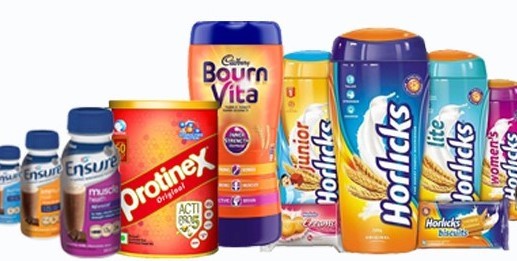
The controversy surrounding health drinks underscores the urgent need for clear definitions, regulations, and transparency in the food industry. While recent government initiatives aim to address concerns about sugar content and misleading marketing practices, they also raise constitutional issues that require careful consideration. Moving forward, it’s essential for all stakeholders to engage in constructive dialogue and collective action to navigate the complexities of the health drink landscape effectively. Only through concerted efforts can we safeguard the well-being of consumers and uphold the integrity of the food industry, ensuring that health drinks deliver on their promises without compromising consumer health and trust.
Visit arjasrikanth.in for more insights
 SOCIAL PERSPECTIVES