Harvesting Prosperity: Agrivoltaics Empowering Rural Development

Agrivoltaics, the innovative integration of agriculture and solar photovoltaic (PV) systems, offers multifaceted benefits that enhance agricultural productivity and sustainability. This article explores the transformative potential of agrivoltaics in bolstering agricultural productivity and powering rural development.
Nations worldwide champion agrivoltaics to address agricultural and energy sustainability challenges. Through strategic deployment and collaborative initiatives, these countries exemplify the transformative impact of agrivoltaics on rural economies and environmental conservation.
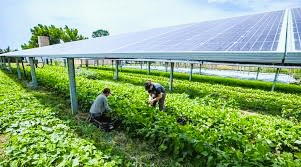
Agrivoltaics integrates agriculture and solar PV systems, enhancing agricultural productivity and sustainability. By optimizing resource use and regulating microclimates, agrivoltaics systems boost crop yields, crucial for meeting growing food demands. Additionally, they conserve water, mitigating water scarcity’s impact on agricultural production. Moreover, agrivoltaics provide an extra income source through solar energy production, bolstering rural livelihoods. Improved working conditions, shielded by solar panels, enhance productivity and agricultural resilience against climate variability. Furthermore, agrivoltaics systems offer crop protection benefits, shielding plants from harsh weather conditions and ensuring stable yields. Overall, agrivoltaics maximize land productivity, conserve resources, generate income, improve working conditions, and protect crops. Embracing agrivoltaic systems enhances agricultural sustainability, contributes to global food security, and addresses climate change challenges.
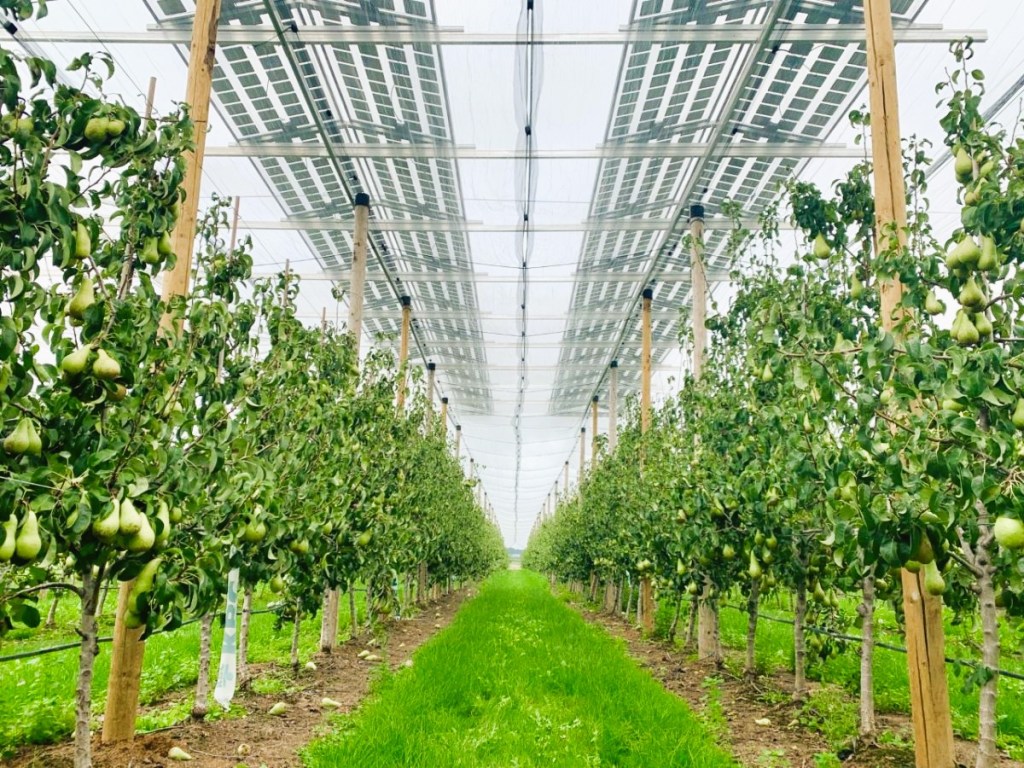
Despite its myriad benefits, agrivoltaics faces challenges such as land use conflicts and regulatory frameworks. However, proactive government initiatives, research collaborations, and financial incentives hold the key to fostering widespread adoption and scalability of agrivoltaic systems.
To expedite the integration of agrivoltaics into India’s agricultural landscape, several recommendations have been proposed. Firstly, it is crucial to define clear deployment targets and initiate pilot projects across various agro-climatic regions. These pilots will serve to demonstrate the feasibility and benefits of agrivoltaics, providing valuable insights for future implementation. Additionally, establishing national-level research programs is essential to thoroughly assess the socio-economic and environmental impacts of agrivoltaic systems, guiding evidence-based policy decisions. Furthermore, the introduction of land use classifications and quality standards is imperative to ensure the proper implementation and effective monitoring of agrivoltaic projects. This will safeguard agricultural integrity while promoting sustainable land management practices. Moreover, providing financial incentives and support mechanisms can play a significant role in encouraging farmers and stakeholders to embrace agrivoltaics. These incentives will not only foster rural prosperity but also enhance energy security by diversifying energy sources. Lastly, fostering collaboration among stakeholders and raising awareness through educational programs is essential for promoting knowledge sharing and capacity building. By nurturing a culture of innovation and sustainability in agriculture, these efforts will contribute to the widespread adoption and successful integration of agrivoltaics across India.
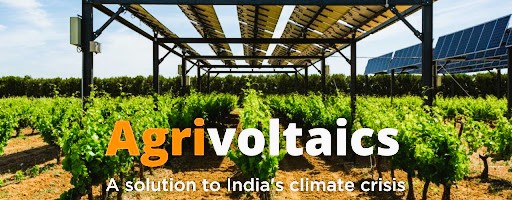
Agrivoltaics, the integration of agriculture and solar PV systems, optimizes land use, enhances agricultural productivity, and promotes rural prosperity. By combining solar power with traditional farming practices, agrivoltaics offers economic, ecological, and social benefits. It maximizes land efficiency, supports agricultural livelihoods, and reduces greenhouse gas emissions. This innovative approach fosters inclusive growth and addresses energy and agricultural challenges.
Realizing the full potential of agrivoltaics requires continuous research, partnerships, and innovation. Collective efforts can accelerate the transition to a resilient and equitable energy future. Collaboration, knowledge-sharing, and investment are vital to unlock a brighter, sustainable future for generations to come. Gradually Nations would embrace agrivoltaics as a solution that combines sustainable agriculture and renewable energy, leading to a greener and more prosperous world.
visit arjasrikanth.in for more insights
 SOCIAL PERSPECTIVES
One response to “Harnessing the Sun: Agrivoltaics Revolutionizing Agricultural Productivity and Rural Wealth”
The best suited for south India
LikeLike