The Supreme Court’s historic ruling expands the ambit of fundamental rights to safeguard against climate change impacts, setting a precedent for climate justice in India.

In a groundbreaking verdict, the Supreme Court of India has expanded the scope of fundamental rights to include protection against the adverse effects of climate change. This landmark ruling comes at a crucial time when the country is grappling with the devastating impacts of the climate crisis, ranging from unprecedented waves of extreme weather events to alarming pollution levels, exacerbating water scarcity and droughts across the nation. Against the backdrop of India’s recent winter, marred by some of the worst pollution records, the court’s judgment signifies a pivotal shift in addressing the urgent need for climate action.
The judgment stems from a petition filed by wildlife activist MK Ranjit Singh and others, seeking protection for the critically endangered Great Indian Bustard, found only in the regions of Rajasthan and Gujarat. The petition highlighted the dire need to safeguard this iconic bird species from the ravages of climate change, which poses a grave threat to its survival. In response, the Supreme Court not only recognized the right to conservation but also expanded the ambit of Article 14 and Article 21 of the Constitution to encompass the right against adverse effects of climate change.
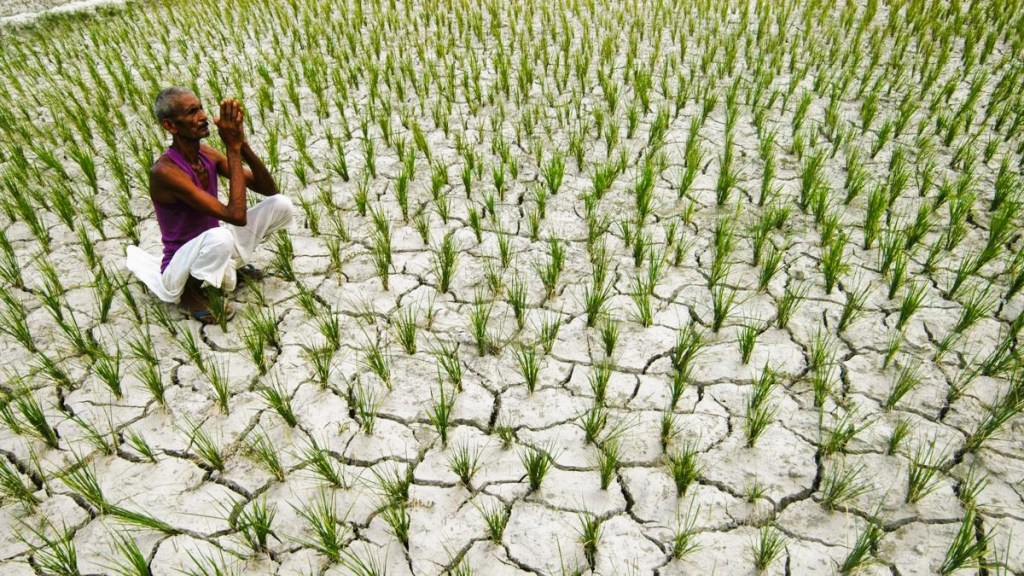
This historic verdict marks a significant departure from the political discourse, especially amid the ongoing elections, where climate change and pollution have been conspicuously absent as major campaign issues. Despite the government’s acknowledgment of the adverse impacts of climate change and its efforts to combat them through policies and regulations, there remains a glaring absence of comprehensive legislation addressing climate change in India.
In an exclusive interview with wildlife activist MK Ranjit Singh, he emphasized the interconnectedness of conservation and development, advocating for sustainable solutions that prioritize both environmental protection and socio-economic well-being. Singh highlighted innovative projects, such as solar panel installations integrated with wildlife habitats, as exemplifying the synergy between conservation efforts and development initiatives.

Furthermore, the Supreme Court’s verdict underscores the imperative of addressing climate change as a fundamental human rights issue, impacting the right to life, health, and equality. Chief Justice of India highlighted the myriad ways in which climate change jeopardizes these rights, from air pollution-induced health hazards to displacement of indigenous communities and gender disparities in access to resources.
Moreover, the judgment emphasizes India’s commitment to sustainable development and climate resilience, recognizing the intricate balance between environmental conservation, social equity, and economic prosperity. By championing climate justice, the court has set a precedent for prioritizing environmental protection and human well-being in the pursuit of sustainable development goals.

In conclusion, the Supreme Court’s landmark verdict marks a paradigm shift in India’s approach to climate change, elevating it from a policy issue to a fundamental human rights issue. By expanding the scope of fundamental rights to include protection against climate impacts, the court has paved the way for a more robust legal framework to address the challenges posed by the climate crisis. As India grapples with the urgent imperative of climate action, the court’s judgment serves as a beacon of hope, inspiring collective efforts to mitigate the adverse effects of climate change and secure a sustainable future for all.
visit arjasrikanth.in for more insights
 SOCIAL PERSPECTIVES