Discovering the profound significance of Ramadan in today’s fast-paced world and its transformative impact on individuals and communities.

Ramadan, the sacred ninth month of the Islamic calendar, holds profound significance for Muslims worldwide. It commemorates the revelation of the Holy Qur’an to Prophet Muhammad (peace be upon him) and serves as a time of reflection, spiritual growth, and communal solidarity. In today’s fast-paced and often isolated lifestyles, the values and practices of Ramadan offer a beacon of hope, guiding individuals towards a deeper connection with faith, community, and self-awareness.
Fasting during Ramadan extends beyond individual spiritual practice; it fosters a sense of community and empathy for the less fortunate. Through communal meals and acts of charity, Ramadan strengthens social bonds, promotes compassion, and reinforces the importance of shared responsibility towards uplifting others.
Ramadan is not merely about abstaining from food and drink; it’s a holistic approach to spiritual purification and self-improvement. It serves as a reminder of the divine guidance bestowed upon humanity and encourages individuals to embody values of humility, gratitude, and compassion.
The daily rhythm of Ramadan transforms ordinary routines, emphasizing spiritual contemplation, prayer, and acts of kindness. From pre-dawn meals to late-night prayers, Muslims immerse themselves in devotion, self-restraint, and mindfulness, drawing closer to their faith and community.
Generosity and benevolence are hallmark traits of Ramadan. It’s a time for giving, sharing, and supporting those in need. The spiritual rewards of charity and kindness during Ramadan are believed to be unparalleled, fostering a culture of generosity and compassion.

Beyond its spiritual significance, Ramadan offers numerous health benefits, including improved metabolic health, enhanced mental clarity, and strengthened resilience. Fasting promotes self-discipline, mindfulness, and overall well-being, aligning with contemporary wellness practices. Ramadan instils timeless moral values, such as patience, self-discipline, and gratitude. It serves as a transformative journey of self-reflection, humility, and spiritual growth, enriching individuals with virtues that transcend cultural and religious boundaries.
Though rooted in Islamic tradition, Ramadan’s message of compassion and solidarity resonates globally. It transcends cultural and religious divides, uniting individuals in a shared commitment to faith, compassion, and social justice.
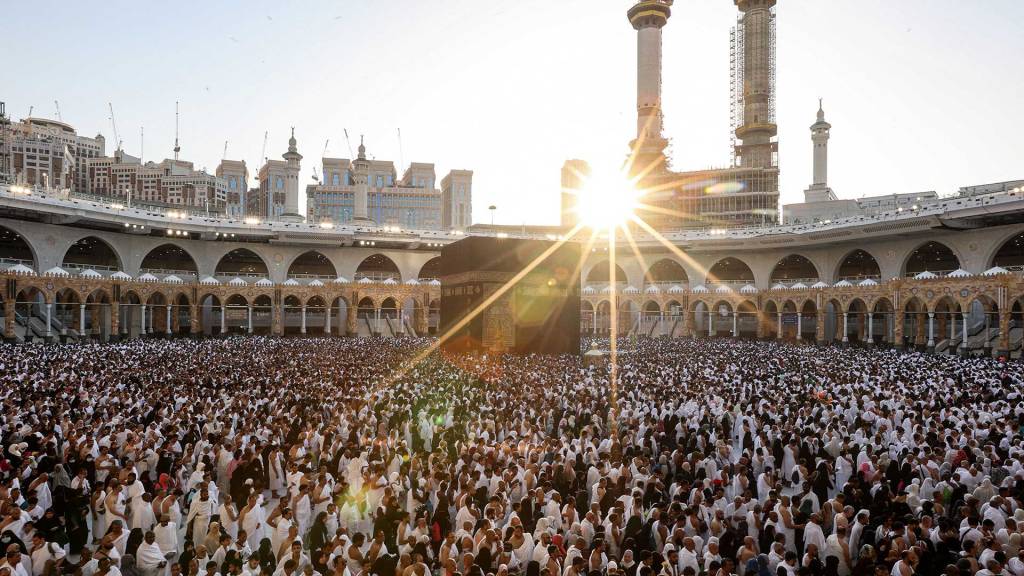
In today’s fast-paced and often disconnected world, Ramadan serves as a guiding light, illuminating paths of spiritual awakening, communal solidarity, and personal transformation. Its timeless values of compassion, generosity, and self-reflection offer a beacon of hope, fostering resilience, empathy, and unity in an increasingly fragmented world. As humanity embarks on the journey of Ramadan, it is an opportunity to embrace its teachings, honour its traditions, and embody its spirit of love, mercy, and renewal. Ramadan transcends cultural and religious boundaries, reminding us of the importance of empathy, kindness, and shared humanity. In a world marked by division and turmoil, Ramadan stands as a symbol of hope and unity, inspiring individuals to come together in pursuit of a common purpose: to uplift one another, foster understanding, and strive for a better, more compassionate world.
visit arjasrikanth.in for more insights
 SOCIAL PERSPECTIVES