India, despite strides against poverty, faces a silent health crisis—obesity. The article explores its root causes, far-reaching consequences, and potential remedies, urging urgent attention to safeguard the nation’s well-being.

India, once synonymous with poverty and malnutrition, now grapples with an unprecedented health crisis—obesity. The Lancet study reveals a sobering reality: a staggering 70% of India’s urban population battles with overweight concerns. Shockingly, over 23% of urban women and 20% of men are classified as overweight or obese, painting a grim portrait of India’s health landscape.
The trajectory of obesity in India paints an alarming picture, mirroring global trends of an escalating crisis. Over the past three decades, from 1990 to 2022, obesity rates skyrocketed from 1.2% to 9.8% among women and 0.5% to 5.4% among men. This crisis extends beyond adults, with a troubling 12.5 million children identified as grossly overweight in 2022—a dramatic surge from 0.4 million in 1990.
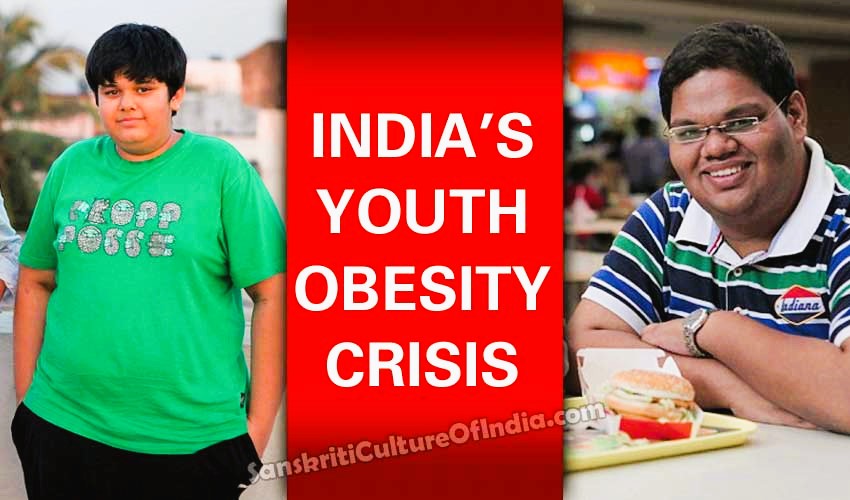
Numerous factors fuel this alarming rise. Increased automation, improved transportation, and evolving lifestyles have fostered sedentarism, while processed foods have permeated Indian diets. The prevalence of the Western diet—rich in refined grains, red meat, unhealthy fats, and sugary beverages—exacerbates the crisis. Regionally, states like Punjab, Kerala, Tamil Nadu, and Delhi report alarmingly high obesity rates, highlighting the nationwide scope of the problem.
Gender disparities exacerbate India’s obesity crisis, with women bearing a disproportionate burden. A striking 40% of women suffer from abdominal obesity, compared to 12% of men—a statistic reflecting societal and biological complexities. The prevalence of overweight and obesity is significantly higher among women, especially in urban areas, underscoring the multifaceted nature of this health crisis.

The etiology of obesity in India is multifactorial, spanning lifestyle choices, socioeconomic factors, and genetic predispositions. Unhealthy eating behaviours, inadequate physical activity, poor sleep quality, high stress levels, and underlying health conditions compound the risk. Genetic factors, coupled with an obesogenic environment, heighten susceptibility.
Addressing India’s obesity crisis demands multifaceted strategies. Education and awareness campaigns play a crucial role in promoting healthier lifestyles and dietary choices. The National Centre for Disease Prevention and Control advocates for front-of-pack labeling of packaged foods and bans on advertisements for high-fat, sugar, and salt-laden products. These measures empower consumers to make informed decisions and mitigate the influence of unhealthy food marketing.

However, systemic changes are imperative. Revisiting food distribution policies, promoting access to nutritious foods, and fostering a culture of physical activity are essential. The politicization of food presents a formidable challenge, hindering efforts to introduce healthier dietary options. Overcoming these barriers necessitates coordinated action from policymakers, healthcare professionals, and civil society.

In conclusion, India’s obesity crisis transcends mere statistics—it reflects broader socioeconomic and cultural paradigms. Addressing this multifaceted challenge requires a holistic approach. By fostering healthier environments, promoting nutrition literacy, and enacting evidence-based policies, India can navigate towards a healthier, more resilient future. Only through concerted efforts can we confront the silent tsunami of obesity and secure the well-being of future generations.
visit arjasrikanth.in for more insights
 SOCIAL PERSPECTIVES