A comprehensive analysis of the changing dynamics and emerging challenges in nuclear bomb deterrence, exploring the roles of major global powers and the implications for international security !!!
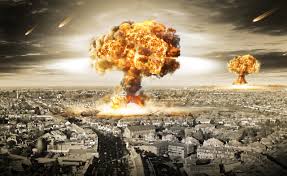
Since the days of the Cold War, nuclear bomb deterrence has been a critical aspect of global security. The responsibility to prevent nuclear conflict has primarily rested on the two superpowers, the United States and Russia. However, recent developments, such as the changing roles of China, the rise of North Korea, and the evolving genetic role of Russia, have reignited debates and raised new questions about nuclear weapons. This article delves into the complexities of the current nuclear landscape, highlighting the challenges faced by major powers and the potential implications for global security.
In recent years, Russia’s aggression, particularly its invasion of Ukraine in 2022, has brought the threat of war in Europe back onto the security agenda. Russian President’s repeated references to the use of nuclear weapons in Ukraine have added to the concerns. Russia has been actively developing and publicizing a series of nuclear weapons, including nuclear-powered cruise missiles, which has intensified the focus on its nuclear capabilities. This shift in Russia’s strategy has raised alarm bells among American policymakers, forcing them to reassess their own nuclear posture.
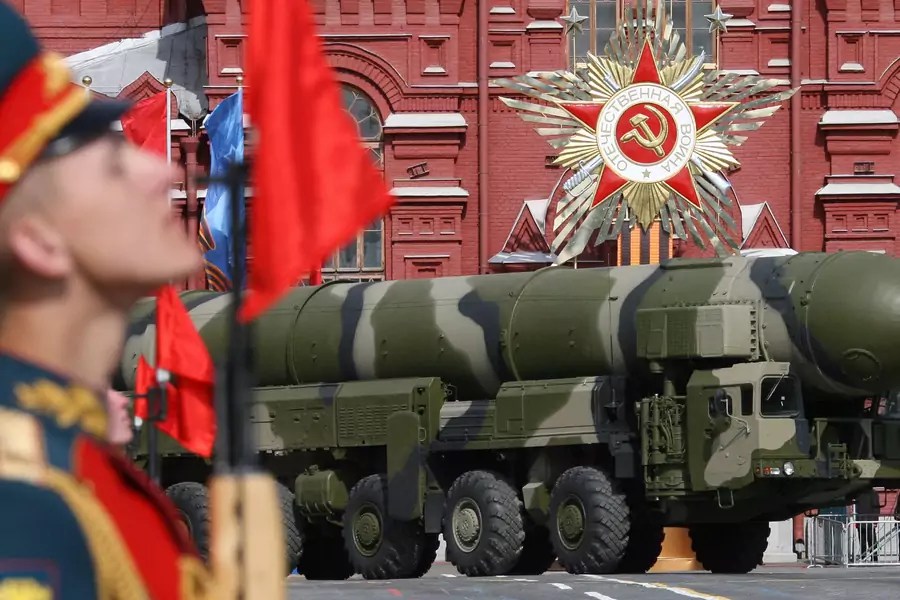
China’s nuclear ambitions have also undergone a significant transformation. In the past, China had a minimal nuclear arsenal and showed no desire to catch up with the United States or the former Soviet Union. However, in recent years, China’s nuclear arsenal has grown significantly, reaching around 500 warheads, with the potential to increase to 1000 by the end of the decade. This expansion, coupled with China’s investment in advanced warning radar systems, poses a new challenge for the United States. The fear is that China’s enhanced capabilities could lead to a shift in its nuclear strategy towards a posture of “on warning” rather than “on attack,” thereby increasing the risk of nuclear escalation.
The emergence of both Russia and China as major nuclear powers has presented the United States with a new dilemma, commonly referred to as the “two-pair problem.” How does the United States effectively deter both Russia and China simultaneously? Recent discussions among experts and policymakers have highlighted the need for a larger, more diverse nuclear force to counter the combined aggression from both countries. The United States has already embarked on a significant modernization program, investing around $1.5 trillion over 30 years to upgrade its nuclear capabilities. However, consensus on the exact strategy to deter both Russia and China is still evolving.

Nuclear advocates argue that a robust and diverse nuclear force is essential to maintain deterrence in this changing environment. They advocate for further investments in new nuclear warheads, missiles, submarines, and advanced defense systems. However, the debate surrounding nuclear policy remains contentious, with critics questioning the need for such a substantial investment and emphasizing the risks associated with nuclear weapons.
The future of nuclear bomb deterrence holds significant implications for global security and the existing nuclear order. The destruction of American alliances, particularly the nuclear umbrella provided to NATO and Asian countries like Japan and South Korea, could reshape the global nuclear landscape. The increasing appetite among some countries, such as South Korea, to consider alternative security arrangements without relying on the US nuclear umbrella raises concerns about the potential proliferation of nuclear weapons. The potential re-emergence of nuclear testing and the expiration of key nuclear control agreements further complicate the situation and could undermine international efforts to prevent nuclear proliferation.
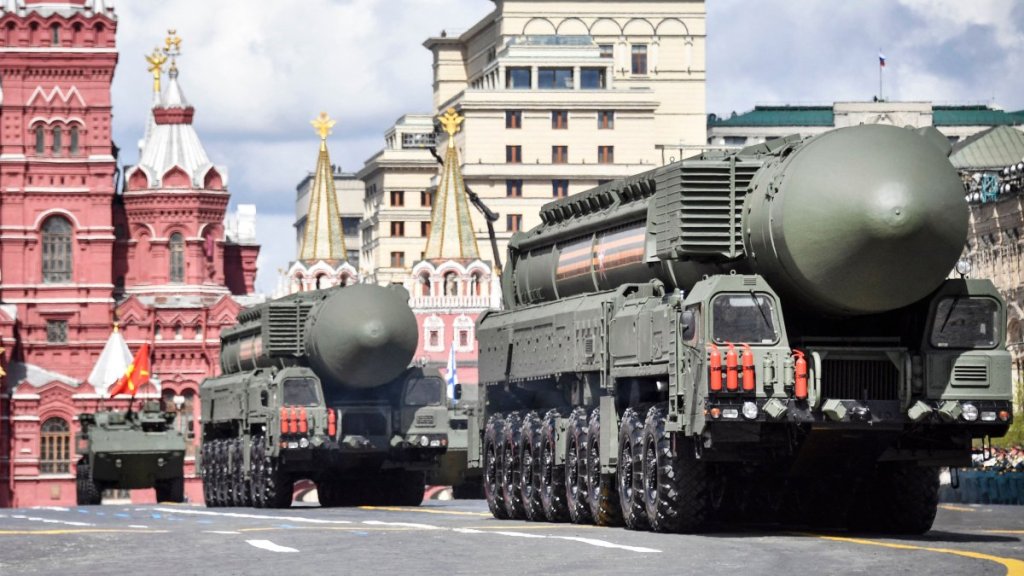
As the global nuclear landscape continues to evolve, the challenges of nuclear bomb deterrence become more complex and multifaceted. The United States, Russia, and China find themselves grappling with new dynamics, technological advancements, and shifting geopolitical realities. The questions surrounding deterrence strategies, alliance commitments, and the balance of power in the nuclear realm are becoming increasingly pressing. Whether it is the Biden administration or a potential return of Donald Trump, these difficult questions will demand attention and careful consideration for years to come. The path forward requires a delicate balance between maintaining deterrence and stability while actively addressing the risks and challenges posed by the changing nuclear environment.
In this critical juncture, it is essential for policymakers, experts, and the international community to engage in meaningful dialogue and cooperation to ensure a secure and peaceful future, free from the catastrophic consequences of nuclear conflict.
visit arjasrikanth.in for more insights
 SOCIAL PERSPECTIVES