A strip of island spanning just about 1.9 km² located in Palk Strait has become the centre of a political controversy and simmering tensions between India and Sri Lanka.

The political turmoil surrounding a minuscule strip of land in Palk Strait spanning just about 1.9 km², belies its significance as a hotbed of controversy between India and Sri Lanka. This article delves into the multifaceted dynamics surrounding this island, known as Katchatheevu, situated in the Palk Strait, and the intricate web of historical, political, and cultural implications it entails.
Katchatheevu historical roots trace back to ancient times, its presence echoed in inscriptions and historical records. From antiquity, it has been entwined with the Indo-Sri Lankan kingdoms and successive colonial regimes, shaping its cultural and political identity. Despite its modest dimensions, Katchatheevu held strategic value as a naval outpost and a revered religious site, attracting fishermen and devotees from both India and Sri Lanka.
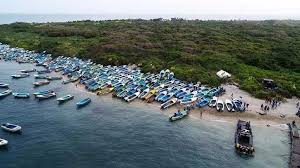
The island’s saga took a decisive turn in 1974 when India, under the leadership of Prime Minister Indira Gandhi, recognized Sri Lanka’s sovereignty over Katchatheevu through bilateral agreements. While ostensibly aimed at resolving maritime disputes and fostering friendly ties, this move sparked uproar and protests in Tamil Nadu. Critics, including the Bharatiya Janata Party (BJP), vehemently opposed the agreement, alleging territorial compromise and political opportunism.
The fallout from the 1974 accord continues to reverberate in contemporary politics, particularly in Tamil Nadu’s electoral landscape. The BJP strategically leverages the Katchatheevu issue to gain traction and cast aspersions on rival parties’ commitment to safeguarding India’s interests. Legal challenges and public outcry further complicate the matter, underscoring the enduring controversy surrounding the island’s ownership.
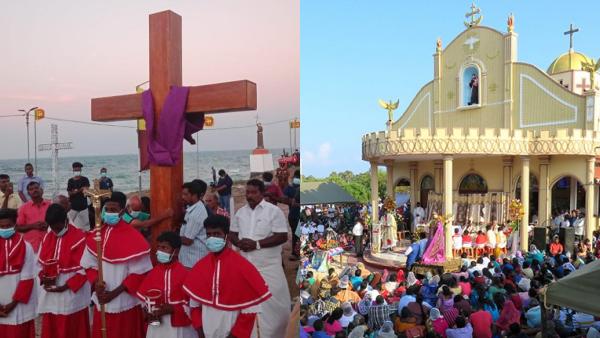
Beyond its geopolitical ramifications, Katchatheevu holds profound cultural significance, exemplified by the veneration of its St. Anthony’s Shrine. Despite political tensions, religious devotees maintain cross-border pilgrimages, fostering interfaith dialogue amidst turmoil. However, escalating maritime conflicts and illegal activities pose challenges to bilateral relations, necessitating enhanced cooperation and dialogue between India and Sri Lanka.

The saga of Katchatheevu epitomizes the intricate interplay of history, politics, and culture in South Asia. As India and Sri Lanka navigate territorial disputes and strive for maritime cooperation, the island remains emblematic of shared heritage and contested sovereignty. Recognizing its multifaceted dimensions is essential for stakeholders to devise inclusive solutions that uphold justice and diplomacy while honouring local interests. This dispute underscores the nuanced dynamics of India-Sri Lanka relations, demanding a concerted commitment to dialogue and cooperation for regional stability. By acknowledging the complexities surrounding Katchatheevu, both nations can pave the way for a harmonious future in the Indian Ocean region, transcending political divides and fostering mutual trust.
visit arjasrikanth.in for more insights
 SOCIAL PERSPECTIVES