Navigating India’s Maritime Future: A Journey of Strategic Prowess
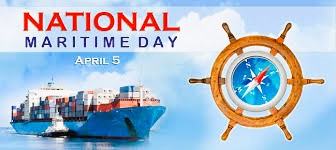
India’s maritime legacy is steeped in history, tracing back through millennia, where its extensive coastline of approximately 7,517 kilometres has served as a testament to its deep-rooted connection with the seas. As India commemorates its maritime legacy and charts a course towards a prosperous future, it’s essential to explore the multifaceted dimensions of its maritime industry.
The maritime sector is not merely a part of India’s economic landscape; it is a cornerstone of its economic growth. Accounting for 95% of India’s trade by volume and 70% by value, the maritime industry acts as a pivotal conduit for trade, GDP growth, and job creation. India’s strategic location along major shipping routes further enhances its importance as a global maritime player.
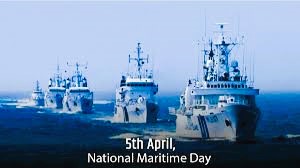
India’s maritime history is rich and storied, dating back to antiquity, with evidence of maritime trade and navigation dating as far back as 10,000 B.C. The Indian subcontinent emerged as a maritime powerhouse, dominating trade routes and fostering cultural exchanges with distant lands. From the Mauryan era to the colonial period, India’s maritime prowess shaped its destiny and influenced global trade dynamics.
The Indian Ocean, often dubbed the “cradle of civilization,” serves as a vital conduit for maritime trade, connecting diverse regions and facilitating economic exchanges. India’s reliance on the Indian Ocean underscores its strategic significance, with 90% of its trade by volume and a significant portion of its oil imports traversing its waters. Throughout history, maritime routes have played a crucial role in promoting commerce and projecting India’s strategic strength globally.
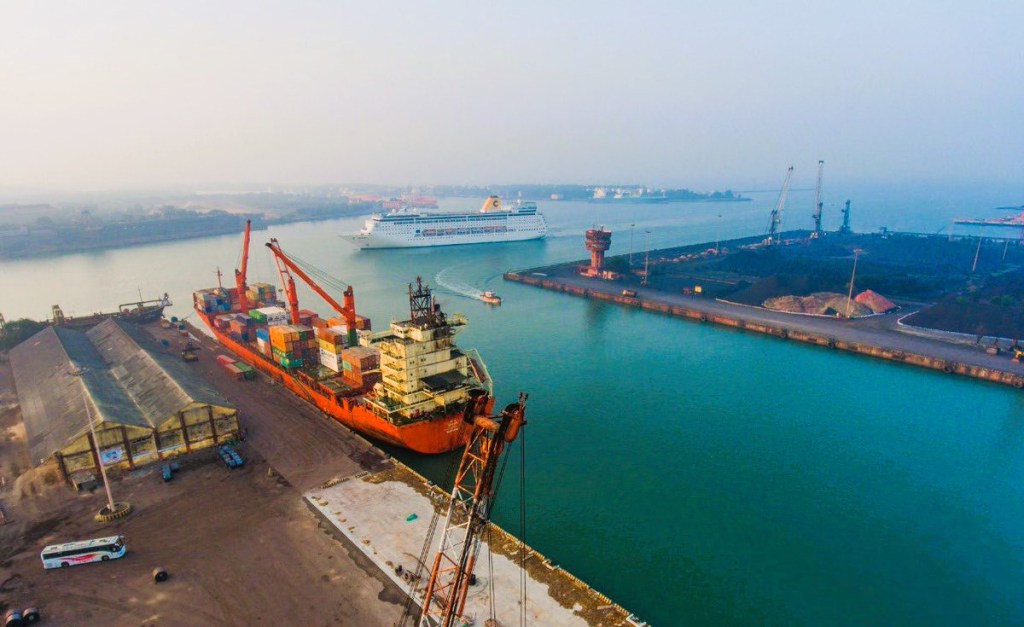
The global maritime industry acts as the linchpin of international trade, facilitating the movement of goods and fostering economic prosperity. Responsible for nearly 90% of global trade by volume, the maritime sector injects approximately $380 billion annually into the world economy through freight rates alone. Its role as a cornerstone of global commerce underscores its indispensability in driving economic growth and fostering international cooperation.
India’s maritime policy, encapsulated in initiatives such as the National Maritime Development Programme (NMDP), Sagarmala Program, and Maritime India Vision 2030, has been instrumental in propelling the country’s economic development. These initiatives aim to enhance port infrastructure, streamline shipping operations, and promote sustainable maritime practices, thereby fostering economic growth and job creation.
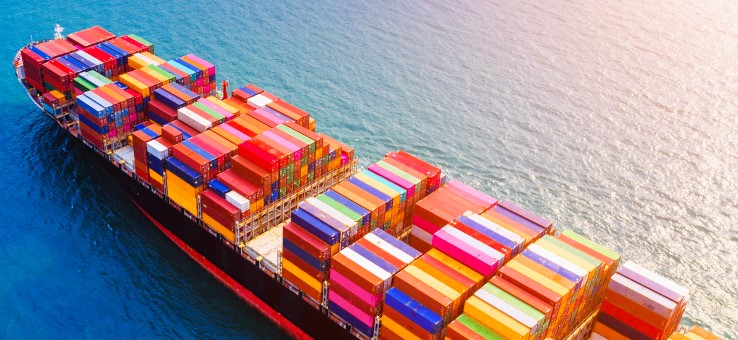
While the maritime industry fuels economic growth, it also poses environmental challenges, including air and water pollution, and underwater noise pollution. Addressing these challenges requires a concerted effort to promote green logistics, invest in eco-friendly technologies, and enforce stringent environmental regulations. India’s commitment to sustainable maritime practices is crucial in mitigating the environmental impact of maritime activities and preserving marine ecosystems.
India’s maritime sector stands at the crossroads of opportunity and challenge, poised to harness its oceanic resources for economic growth while addressing environmental concerns and geopolitical complexities. As India embarks on its maritime journey, it must leverage its historical legacy, strategic advantages, and policy frameworks to navigate the evolving dynamics of the global maritime industry. By fostering innovation, sustainability, and international collaboration, India can emerge as a beacon of maritime excellence, driving economic prosperity and promoting global connectivity in the years to come.
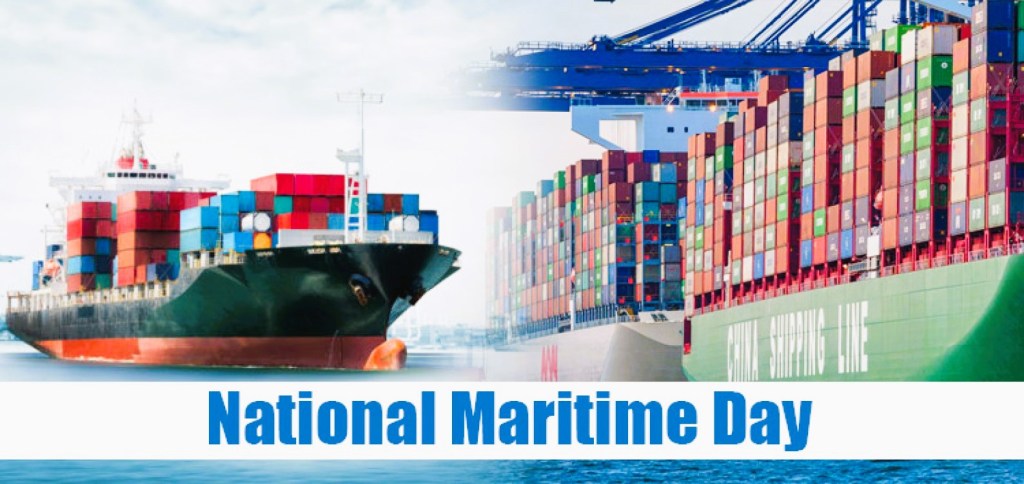
National Maritime Day on April 5th is a momentous occasion for India to recognize its maritime heritage and the vital role of the seas in shaping its history. It’s a day of tribute to the bravery and resilience of sailors and pioneers who contributed to India’s maritime legacy. However, it goes beyond commemoration, symbolizing a renewed commitment to bolstering India’s maritime capabilities. In an era of globalization and geopolitical shifts, the maritime domain is crucial for India’s economic growth and security. As India faces challenges and opportunities at sea, it strives to maintain unmatched maritime prowess. This entails strategic investments in infrastructure, sustainable practices, and international partnerships. By leveraging its vast coastline and maritime resources, India aims to drive prosperity and innovation for future generations, ensuring its maritime heritage thrives in the modern era.
visit arjasrikanth.in for more insights
 SOCIAL PERSPECTIVES