Basmati Rice: A Fragrant Legacy Amidst Cross-Border Controversies
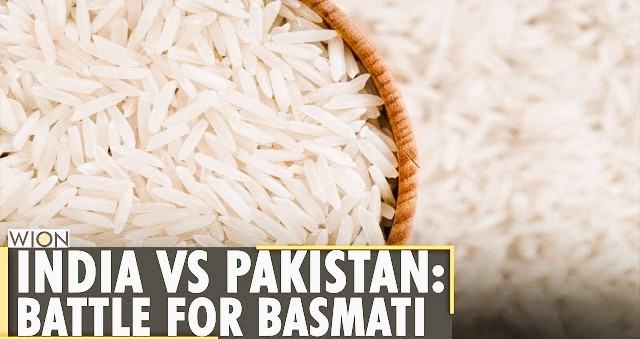
Basmati rice, revered for its exquisite aroma and lengthy grains, is integral to the culinary heritage of the Indian subcontinent. However, recent controversies have arisen over its cultivation and trade, especially between India and Pakistan. This article delves into the nuanced world of Basmati rice production, addressing challenges like intellectual property rights violations and their geopolitical implications.
Cultivated in the fertile Indo-Gangetic plains spanning India and Pakistan, Basmati rice boasts a unique fragrance and texture, earning it global acclaim. Despite challenges like fluctuating production and competition from other rice-producing nations, both countries dominate the global market, exporting to destinations such as Saudi Arabia and Iran.

Institutions like the Indian Agricultural Research Institute (IARI) contribute significantly by developing and enhancing Basmati rice varieties. However, the unauthorized cultivation of IARI-bred varieties in Pakistan, such as Pusa Basmati 1121, raises concerns of intellectual property rights infringement.
Furthermore, India’s basmati rice exports are anticipated to decline in 2024 due to competition from Pakistan, whose rice exports are projected to soar. The smuggling of Basmati Rice 1121 seeds across borders exacerbates tensions and challenges bilateral relations.
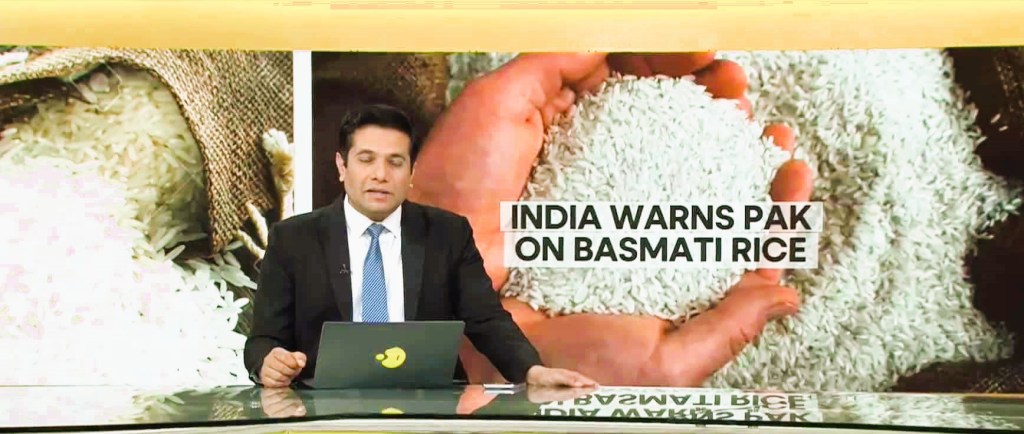
India’s proactive measures, including diplomatic engagements and enforcement of intellectual property laws, are crucial to safeguarding its Basmati legacy and ensuring fair trade practices. By upholding principles of innovation and collaboration, India can preserve Basmati rice’s essence for future generations, securing its place in global cuisine.
visit arjasrikanth.in for more insights
 SOCIAL PERSPECTIVES
One response to “Navigating the Aromatic Terrain of Basmati Rice Amidst Geopolitical Tensions”
Nice post 🌹🌹
LikeLiked by 1 person