
The impending toll hikes on National Highways across India, scheduled to take effect from April 1st, 2024, have sparked widespread concerns regarding fairness and transparency in infrastructure funding. Commuters are preparing for the potential impact of these hikes, which are expected to influence both their daily work commutes and leisure travel expenses. Particularly alarming is the looming 18% increase in the Bandra-Worli Sea Link toll, triggering apprehension among residents, especially in Mumbai and its environs. This article aims to explore the complexities surrounding toll hikes in India and suggest strategies to navigate the delicate balance between infrastructure funding and commuter affordability.
The decision by the Allahabad High Court to declare the Delhi Noida Direct (DND) expressway toll-free carries significant implications for toll operations nationwide. This landmark ruling was prompted by concerns over unfair toll collection practices, including discrepancies in calculations and arbitrary collection methods. The subsequent endorsement of this decision by the Supreme Court underscores the imperative for transparency and fairness in toll operations. Furthermore, recent revelations from a Comptroller and Auditor General (CAG) report have uncovered widespread irregularities in toll collection across multiple toll plazas. The audit exposed regulatory lapses, instances of toll collection surpassing project costs, and violations of toll plaza rules. The evasion of toll fees by VIP vehicles further exacerbates non-compliance issues, raising significant concerns about the equitable collection of tolls.
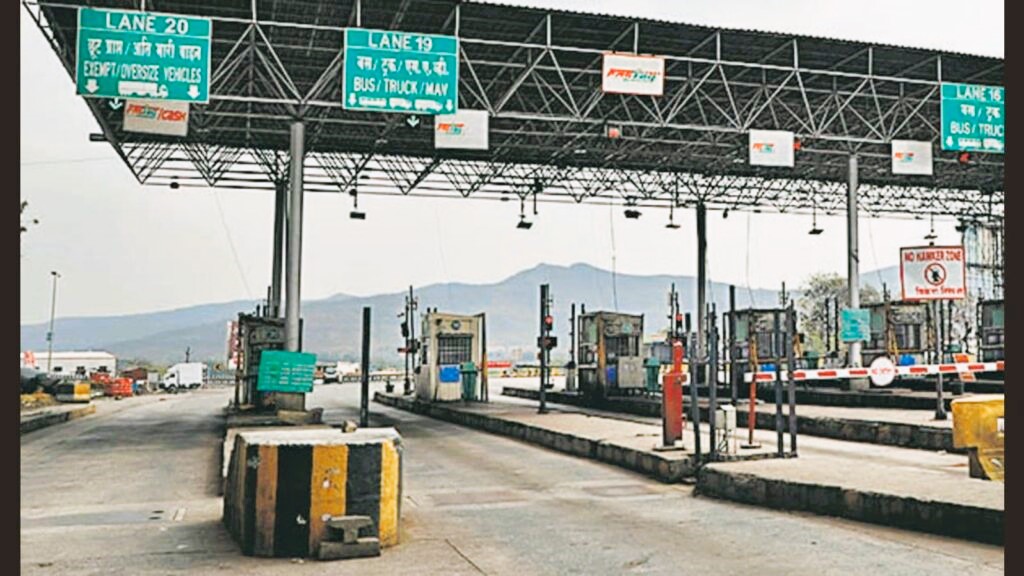
While tolls play a pivotal role in financing infrastructure development, mounting concerns have arisen regarding their fairness and their impact on commuters’ ability to afford transportation services. Experts emphasize the importance of balancing infrastructure funding with user affordability, advocating for transparent financial reporting and innovative funding models. Proposals to diversify revenue streams, such as leveraging advertising revenue, have been put forth to alleviate the burden on commuters. However, persistent challenges remain in managing infrastructure costs and ensuring equitable access to transportation services, particularly for economically disadvantaged populations. Toll adjustments linked to fluctuations in the wholesale price index aim to maintain fair rates for different vehicle types. Despite these efforts, the finalization of official rates for certain routes is still pending, underscoring the complexity of balancing commuter needs with infrastructure development.
In light of the impending toll hikes, policymakers must urgently address concerns regarding transparency, affordability, and infrastructure quality. Collaborative efforts among government agencies, regulatory bodies, and stakeholders are crucial in shaping a more equitable and sustainable transportation infrastructure landscape. Initiatives to modernize toll collection through satellite-based systems represent a step towards more efficient practices, albeit with persisting logistical and implementation challenges. The Union Government’s management of National Highways highlights the importance of leveraging technology in toll collection. However, the imposition of toll charges, compounded by additional taxes, poses a substantial burden on citizens. Consequently, careful consideration and exploration of alternate income sources are imperative to mitigate the impact on road users.
In conclusion, achieving a comprehensive understanding of toll tax regulations, FASTag protocols, and recent updates is paramount for ensuring the smooth operation of transportation systems. Striking a balance between toll increases and infrastructure development is crucial for fostering fair and sustainable transportation systems. Policymakers must address concerns to create an efficient and accessible infrastructure landscape. Collaborative efforts are indispensable in navigating the complexities of toll hikes in India, thereby ensuring a seamless transportation experience for all citizens. Through strategic policymaking and collaboration, India can navigate toll hikes while prioritizing commuter affordability and equitable access to transportation services.
visit arjasrikanth.in for more insights
 SOCIAL PERSPECTIVES