As TikTok’s popularity soars, concerns over its Chinese ownership intensify, sparking debates about national security risks and geopolitical tensions.

TikTok’s explosive popularity, particularly among young people globally, has sparked intense scrutiny, notably in the United States, where concerns about its Chinese ownership’s national security implications have escalated. Despite its massive user base, including 170 million Americans, TikTok’s ties to ByteDance, a Chinese company, have raised alarm among US lawmakers. This article aims to explore the complexities surrounding TikTok, delving into its classification as a national security threat, the controversies it has generated, and the repercussions of potential bans.
As TikTok faces increasing scrutiny over its Chinese affiliations, the debate surrounding its future intensifies, underscoring the intricate interplay between technology, geopolitics, and national security. Despite its cultural impact and widespread popularity, TikTok’s ownership by ByteDance has spurred a contentious discourse, with lawmakers calling for stringent measures to address perceived security risks. As the discussion unfolds, it highlights broader concerns about data privacy, foreign influence, and the evolving digital landscape’s governance.
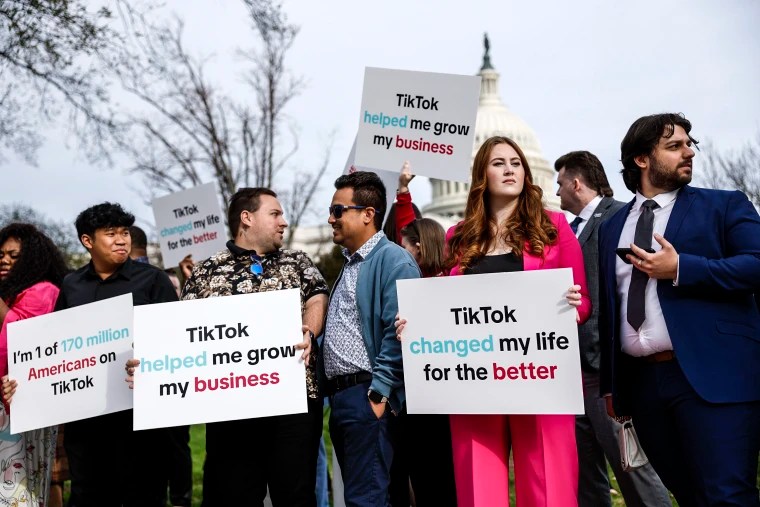
American lawmakers have sounded the alarm bells, urging TikTok to sever its ties with China or face punitive measures, citing potential security threats and risks of foreign influence. This debate underscores broader anxieties about data privacy, election integrity, and the growing influence of Chinese tech companies in Western markets. The spectre of Chinese Communist Party involvement looms large, fuelling suspicions and calls for stringent regulation.
TikTok’s CEO has found himself in the hot seat, facing intense scrutiny over his connections to China and the app’s alleged security vulnerabilities. Despite his reassurances and pledges to uphold user safety, controversies surrounding data privacy breaches and unauthorized access to user data persist, casting a shadow over TikTok’s operations and credibility. These revelations have further stoked fears and fuelled demands for transparency and accountability.

Beyond American borders, TikTok’s presence has sparked geopolitical tensions and prompted governments worldwide to take decisive action. India’s sweeping ban on TikTok and other Chinese apps in the wake of border clashes with China, along with Taiwan’s designation of TikTok as a national security concern, underscore the global reverberations of TikTok’s operations. These incidents serve as a sobering reminder of the interconnectedness of technology, geopolitics, and national security in an increasingly digitalized world.
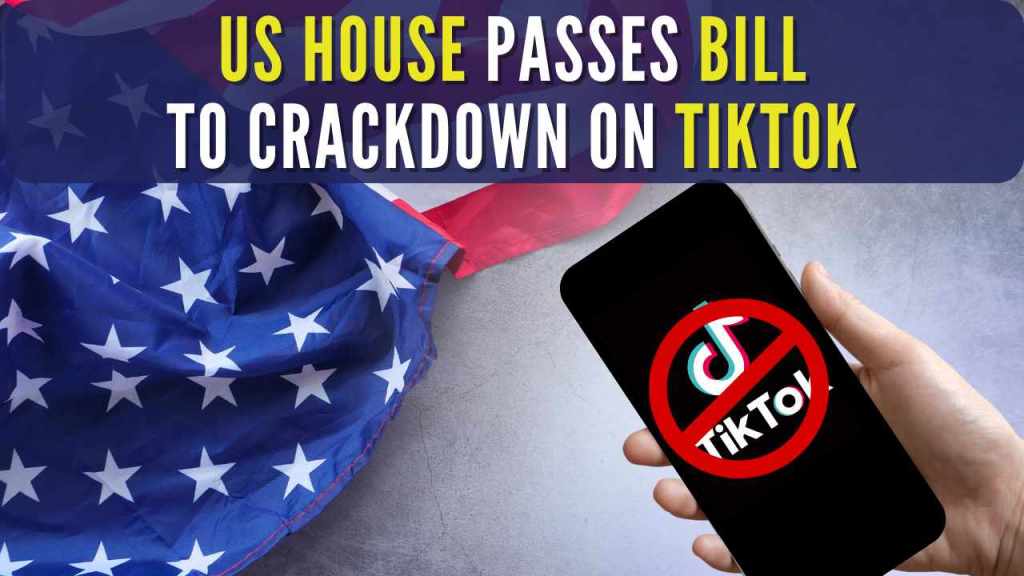
TikTok’s situation reflects a pivotal moment shaped by controversy and geopolitical intricacies. Policymakers grapple with complexities involving data security, sovereignty, and regulatory frameworks, which mold the app’s future path. Despite uncertainties about its resilience, TikTok undeniably influences the digital realm. The saga mirrors broader global tensions, highlighting the necessity to balance innovation with regulation. Safeguarding national security and individual freedoms becomes paramount in this landscape. While TikTok’s fate remains uncertain, its role as a catalyst for digital governance debates is assured. These discussions underscore the intricate dynamics between technology, geopolitics, and governance in our interconnected world, shaping the digital era’s trajectory.
Visit arjasrikanth.in for more insights
 SOCIAL PERSPECTIVES