Israel’s attack on civilians in the Gaza Strip has drawn global criticism, impacting its international reputation and political landscape.

The recent war between Israel and Hamas in Gaza has sparked intense debate and criticism, particularly directed at Israeli Prime Minister Benjamin Netanyahu. Democratic leaders in the United States, including President Joe Biden, Sens. Bernie Sanders and Chuck Schumer, have expressed concerns about Netanyahu’s handling of the war, leading to calls for change. This article examines the escalating criticism of Netanyahu, the support he still enjoys among many Israelis, and the potential consequences for Israel’s political landscape and international standing.
Prime Minister Benjamin Netanyahu has staunchly defended his policies during the war, claiming they enjoy the support of a significant majority of Israelis. Polls suggest that most Israelis back his approach over that of President Biden.
However, it is important to note that while Israelis may support Netanyahu’s overarching goals in Gaza, they do not necessarily support him as a leader. His approval rating has plummeted, and if early elections were held, his party would likely lose seats in the Knesset, potentially facing defeat.
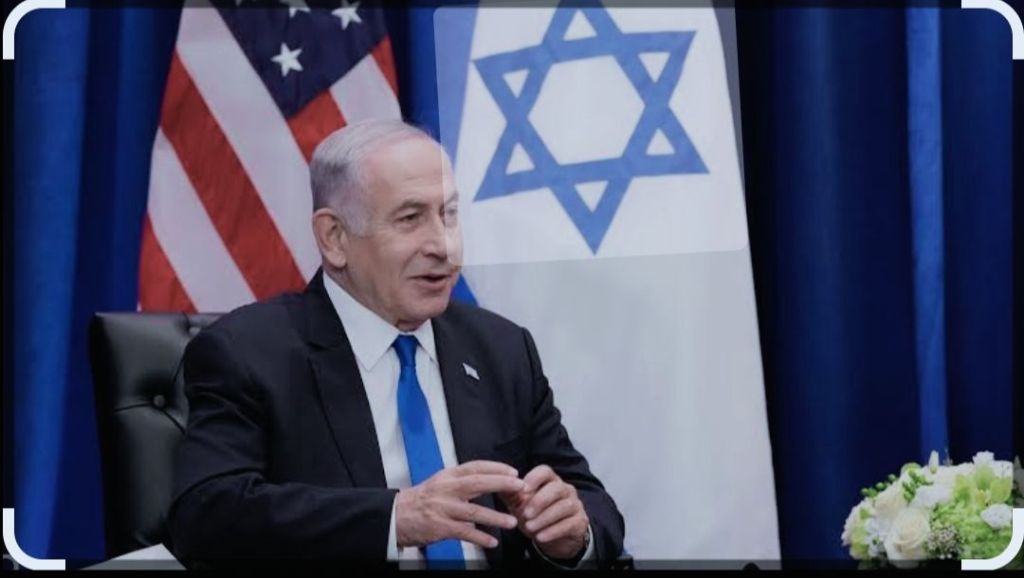
Critics argue that Netanyahu’s government has failed to address the needs of those most affected by the war, including victims of Hamas attacks, displaced families, and those in need of humanitarian aid. They point to a lack of effective deterrence, alert systems, and defense strategies during the conflict. Additionally, there are allegations that his government has not done enough to support and rehabilitate those impacted by the war. Protests led by relatives of Israeli hostages have called for greater efforts to secure the release of their loved ones.
The escalating criticism of Israeli Prime Minister Benjamin Netanyahu’s handling of the war against Hamas in Gaza has ignited a significant debate about Israel’s future and its democratic institutions. While most Israelis support Netanyahu’s broader goals in the conflict, they do not necessarily support him as a leader. Calls for early elections and concerns about the erosion of democratic institutions have created a tense political environment in Israel. The outcome of these developments remains uncertain, with potential implications for Israel’s international standing and its relationships with Western democracies. It is crucial to closely monitor the situation and assess its impact on Israel’s political landscape and democratic principles. The international community plays a vital role in urging all parties involved to seek a peaceful resolution and protect the rights and well-being of civilians caught in the conflict.
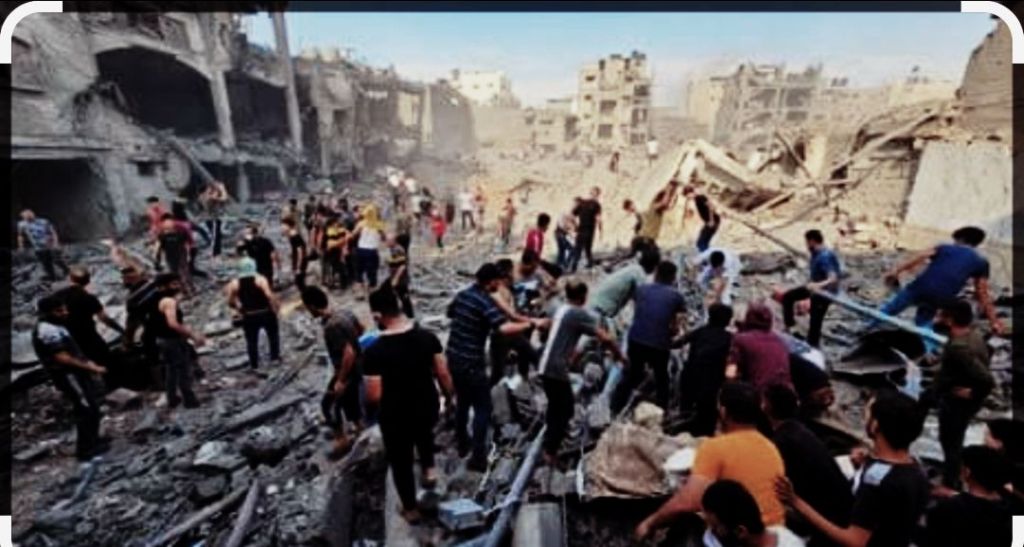
The ongoing humanitarian crisis in Gaza is causing an immense amount of human suffering. Many describe it as the worst she has ever witnessed in her lifetime and throughout her extensive career in humanitarian medicine. She emphasizes the urgent need to address the severity of the suffering and calls upon the global population to unite and demand a ceasefire to stop the ongoing atrocities.
The collapse of the healthcare system in Gaza has led to a rise in the number of wounded individuals without adequate support. The intentional targeting of healthcare facilities, ambulances, and densely populated areas has resulted in devastating consequences, including the loss of entire families. The situation demands immediate attention and action from the international community.
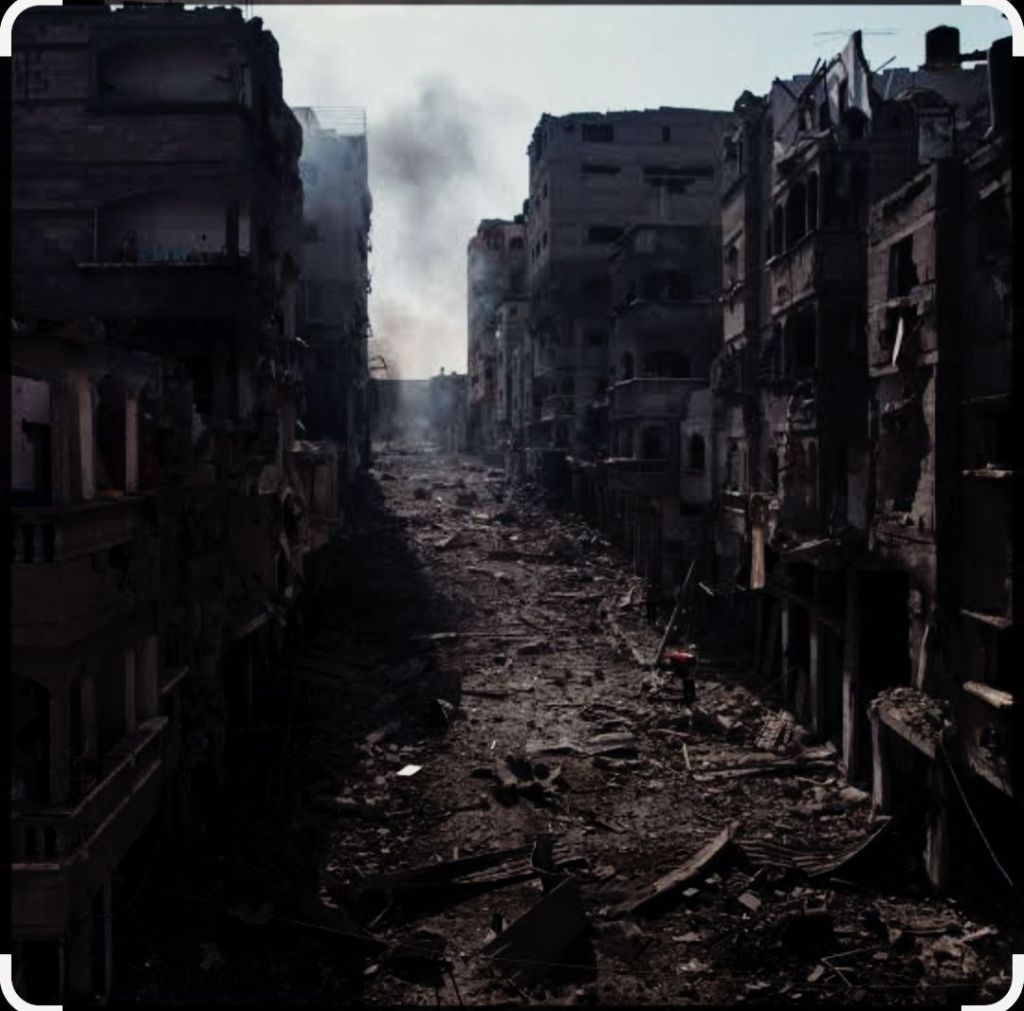
The Gaza Strip is experiencing a dire situation, with numerous families losing multiple members and thousands of children being killed or trapped under rubble. Dr. Haj-Hassan highlights the unique acronym used in the region, WCNSF, which stands for Wounded Child No Surviving Family, indicating the extent of the crisis.
Many have criticized the so-called “humanitarian pause” in the violence, calling for a complete stop to the bombardment. Many opine that the global population should unite and demand an immediate end to the violence, prioritizing the protection of innocent lives over aid provision.
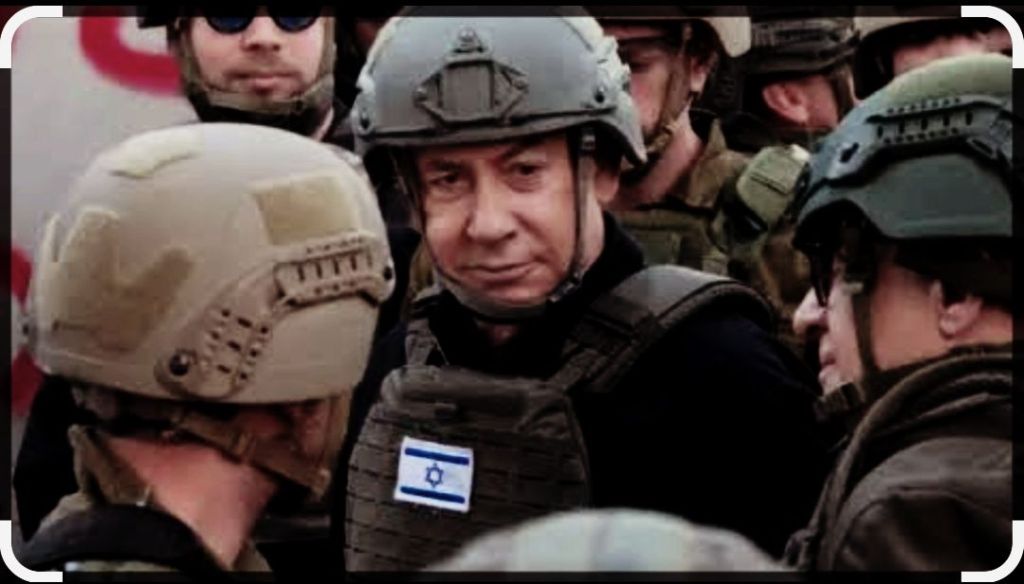
The international community must take immediate action to address this humanitarian crisis, establish a lasting ceasefire, and bring an end to the violence and devastation. The voices of aid agencies, humanitarian organizations, medical agencies, and independent journalists provide consistent evidence of the dire situation in Gaza.
Experts in public health and humanitarian fields are united in their call to end the violence in Gaza. The healthcare system has been severely impacted, with the loss of personnel and damaged facilities. The ongoing conflict is expected to continue for months, raising concerns about the lack of a clear post-war plan.
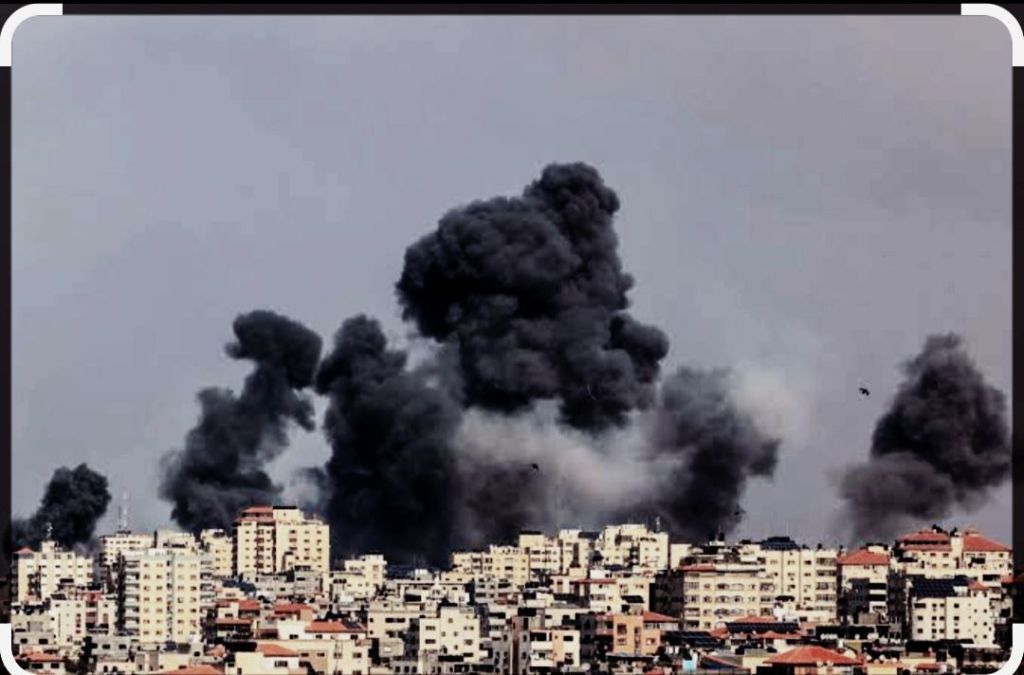
In conclusion, the ongoing conflict in Gaza is causing a severe humanitarian crisis. Immediate action is needed to address the suffering, establish a ceasefire, and bring an end to the violence. The escalating criticism of Israeli Prime Minister Benjamin Netanyahu’s handling of the war has raised questions about Israel’s future and its global political landscape.
Visit arjasrikanth.in for more insights
 SOCIAL PERSPECTIVES