The Phenomenon of Party Defections in Indian Politics: Dynamics, Implications, and Future Trends
The landscape of Indian politics is marked by the frequent migration of politicians between political parties, sparking debates and raising questions about its implications on democracy. From prominent figures like Nitish Kumar to lesser-known names, party defections have become increasingly prevalent, prompting concerns about political integrity and accountability.
Party switching, or defection, is not a new phenomenon in Indian politics but has gained momentum in recent years. While some view these shifts as a natural aspect of a vibrant democracy, others criticize them as opportunistic manoeuvres driven by personal interests rather than ideological convictions.
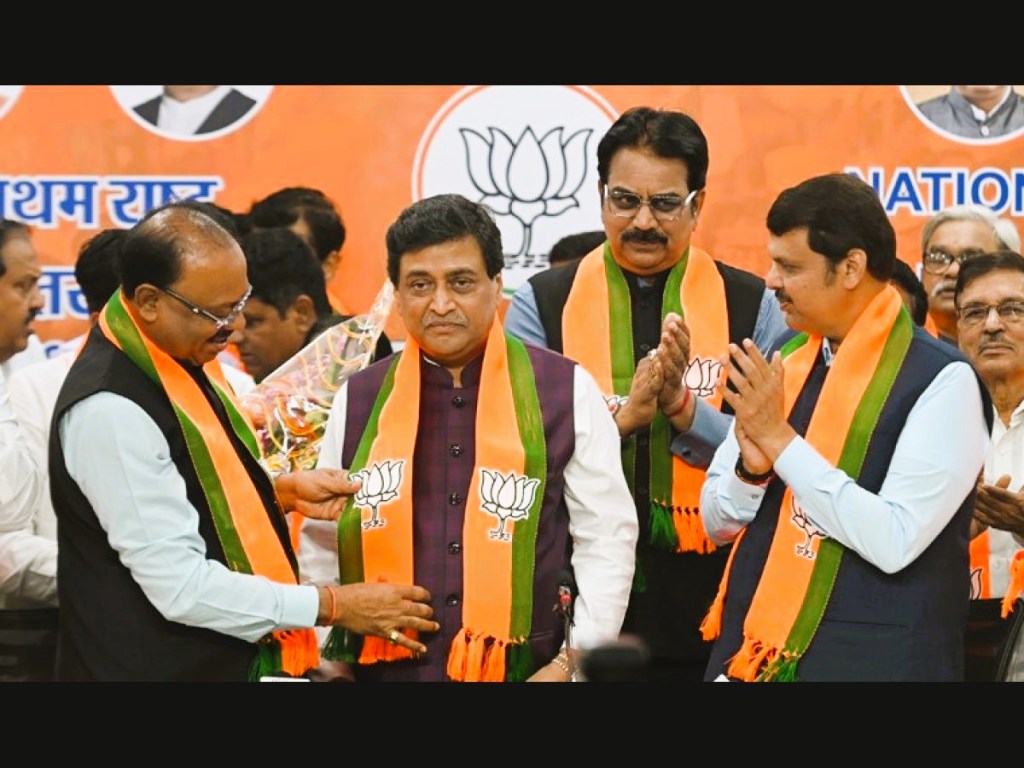
The journey of political figures like Nitish Kumar and Ashok Chawla serves as compelling examples of party switching in India. Nitish Kumar’s frequent shifts have earned him the moniker of the modern-day “Paltu-Ram,” highlighting the pragmatic considerations that often influence politicians’ decisions. Similarly, the defection of Ashok Chawla from Congress to BJP, along with other instances like TDP’s alliance with BJP and Jitender Reddy’s departure from BJP to Congress in Telangana, underscores the fluidity of party affiliations.
Data from Ashoka University reveals the significant impact of defections on electoral outcomes. In the 2019 Lok Sabha elections, out of 205 turncoats, only 35 emerged victorious, (15%) underscoring how ideology often takes a backseat to personal interests. Interestingly, both major parties, BJP and Congress, were equally favoured by defectors, highlighting the pragmatic considerations that drive politicians to switch sides.

The impact of defections on voters varies, with smaller switches often failing to sway public opinion significantly. While high-profile leaders like Nitish Kumar may attract attention, voters often prioritize issues over personalities. Moreover, repeated defections erode trust in political parties and their leaders, undermining the democratic process.
The BJP’s strategic focus on expanding its footprint in southern states underscores the evolving dynamics of Indian politics. However, challenges exist, particularly in states where regional parties hold sway. To strengthen their presence in these regions, the BJP needs to invest in building a robust grassroots cadre and adopt a nuanced approach to politics rather than inviting other party politicians .
The media plays a crucial role in shaping public discourse around political defections, facilitating discussions on these matters across the country. Whether it’s the BJP’s expansion efforts in the south or the Congress’ survival strategies in the Hindi heartland, the media serves as a conduit for political narratives, influencing public perception.

In conclusion, party defections are a multifaceted aspect of Indian politics, reflecting the dynamic nature of democratic processes. While some politicians may prioritize ideology, others focus on personal interests and political opportunism. The impact of these shifts on voters varies, emphasizing the importance of voter discernment and engagement with key issues. Moreover, the role of the media in illuminating these political shifts and fostering public discourse cannot be overstated. As India prepares for future elections, the evolving dynamics of party switching will continue to shape the political landscape, underscoring the need for transparency, accountability, and a robust democratic ethos in the country’s governance. Only time will tell how these factors influence the trajectory of Indian politics in the years to come.
visit arjasrikanth.in for more insights
 SOCIAL PERSPECTIVES