The clash between tradition and modernity in Indian cricket raises critical questions about the future of the sport.
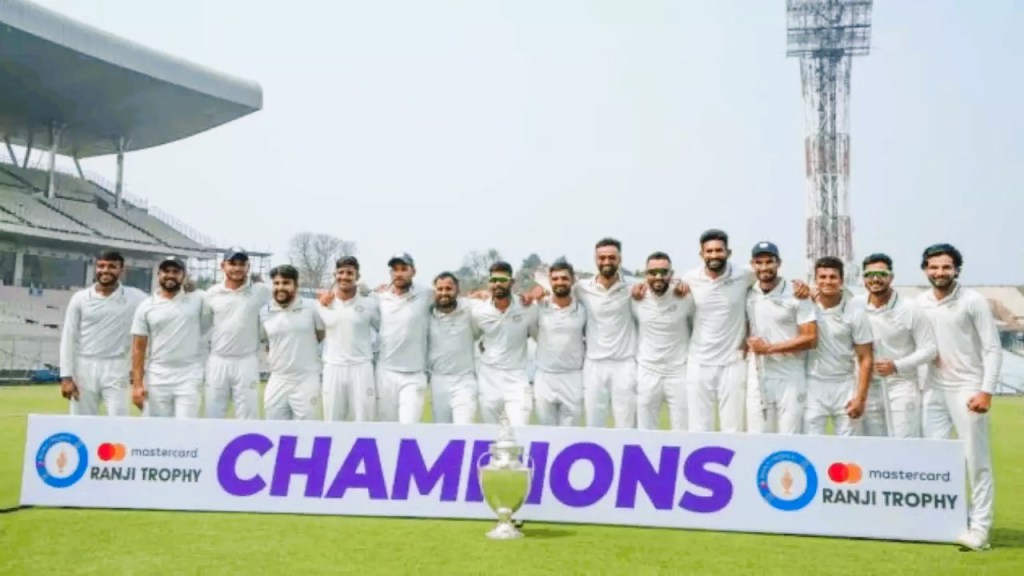
The IPL vs Ranji Trophy debate has been a topic of discussion in Indian cricket circles for several years now, and recent developments have brought this issue to the forefront once again. With the Indian Premier League (IPL) becoming increasingly popular and financially lucrative, there has been a noticeable trend of players prioritizing the T20 tournament over domestic red-ball cricket, particularly the Ranji Trophy. This trend has raised concerns among cricket administrators, coaches, and fans about the long-term impact on the development of players and the health of Indian cricket as a whole.
Recent actions taken by the Board of Control for Cricket in India (BCCI) reflect the seriousness with which this issue is being addressed. Last month, the BCCI issued a warning to players against prioritizing IPL over domestic cricket and took concrete steps by excluding two young stars, Shreyas Iyer and Ishan Kishan, from its list of central contracts for missing Ranji Trophy matches in the latest season. This move by the BCCI highlights the growing concern within the cricketing community regarding the diminishing importance of domestic red-ball cricket in the eyes of players.
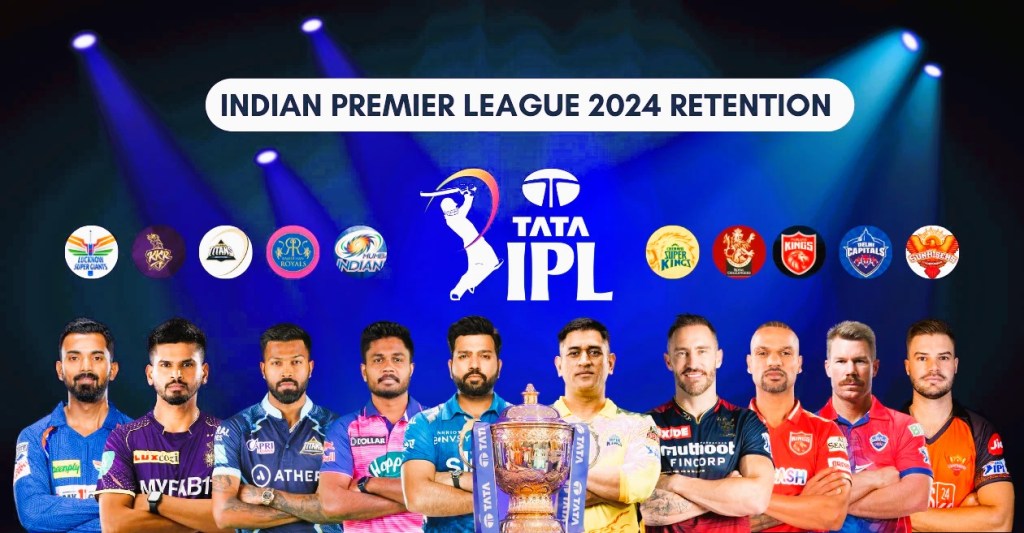
An analysis conducted by The Indian Express revealed alarming statistics regarding player participation in the Ranji Trophy. Of the 165 Indian cricketers who signed up for IPL 2024, 56 did not appear for a single game in the Ranji season, while an additional 25 players participated in only one match. These numbers underscore the extent of the problem and highlight the need for urgent intervention to address the issue.
One of the primary reasons cited by players for skipping Ranji Trophy matches is the desire to remain injury-free for the IPL. With the IPL being a high-profile tournament with significant financial rewards, players often prioritize their participation in the T20 league over domestic red-ball cricket. However, while injuries may be a genuine concern, there are questions about the accountability of players and the lack of a clear policy or fitness protocol from the BCCI.

The absence of a clear policy from the BCCI has left state units powerless in enforcing the participation of IPL stars in first-class cricket. Despite the efforts of some IPL franchises to encourage their players to play Ranji Trophy matches, there is a lack of consistency in ensuring their participation. This inconsistency has contributed to a culture where players feel they can prioritize the IPL without facing consequences.
The issue extends beyond individual players and has broader implications for Indian cricket as a whole. The Ranji Trophy has long been considered the breeding ground for future international cricketers, providing them with the opportunity to hone their skills and showcase their talent in the longer format of the game. However, with the increasing popularity of T20 cricket and the IPL, there is a risk that the importance of domestic red-ball cricket will continue to diminish, potentially affecting the quality of talent coming through the ranks.
The recent actions taken by the BCCI, including the introduction of the Test cricket incentive scheme, are positive steps towards addressing the imbalance between domestic and T20 cricket. By incentivizing players to prioritize Test cricket and providing financial rewards for their participation, the BCCI is sending a clear message about the importance of the longer format of the game. However, more needs to be done to ensure that players understand the value of domestic red-ball cricket and are willing to commit to representing their state teams in the Ranji Trophy.
In conclusion, the IPL vs Ranji Trophy debate represents a significant challenge for Indian cricket, requiring a careful balancing act between the demands of T20 cricket and the traditions of the longer format. While the IPL has undoubtedly brought unprecedented popularity and financial rewards to Indian cricket, it is essential to ensure that the development of players and the health of the domestic cricket ecosystem are not compromised in the process. With concerted efforts from the BCCI, IPL franchises, and players themselves, it is possible to strike the right balance and safeguard the future of Indian cricket.
visit arjasrikanth.in for more insights
 SOCIAL PERSPECTIVES