“Delving into the Complexities: Zomato’s Bold Move Sparks Debate on Inclusivity in India’s Culinary Realm”
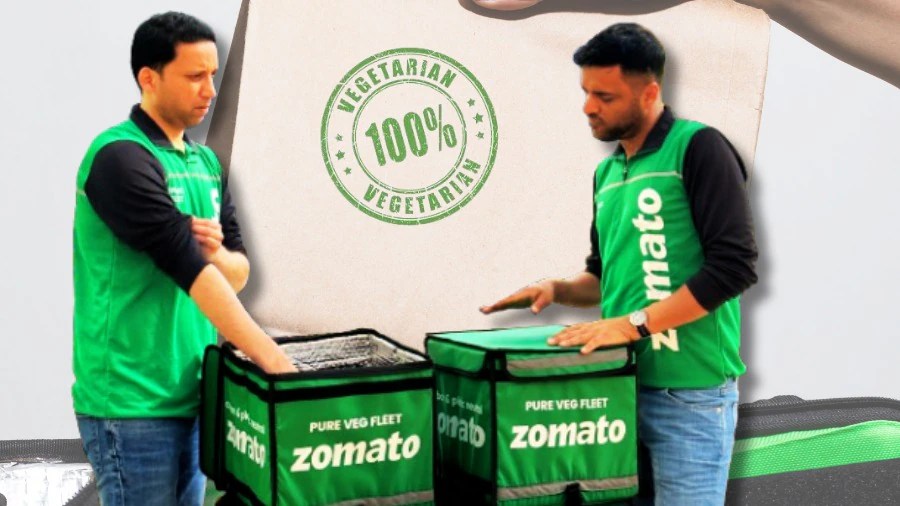
In March 2024, Zomato CEO Deepender Goyal introduced a controversial feature known as “Pure Veg Mode” and “Pure Veg Fleet,” aimed at accommodating customers adhering to a 100% vegetarian diet. This initiative was prompted by concerns over food spillage in delivery boxes, with the aim of enhancing customer experience without favouring or isolating any religious or political affiliations.
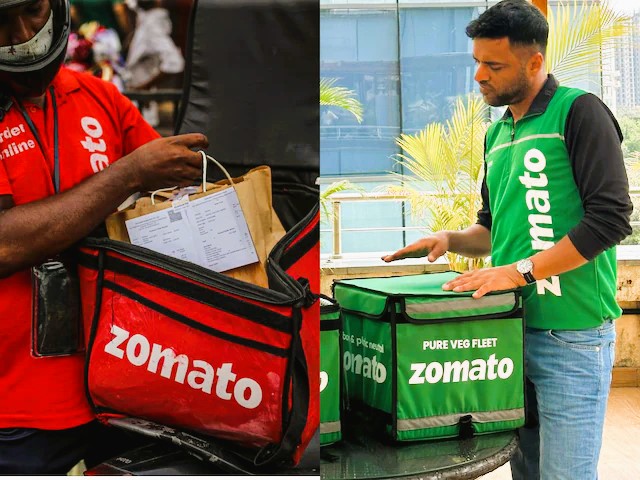
The launch of these features ignited a polarizing debate on social media. While some praised Zomato for addressing the needs of vegetarian consumers, others criticized the move, expressing concerns about potential discrimination and safety issues for delivery personnel. Critics argued that segregating delivery executives based on dietary preferences could exacerbate existing societal divides.
Despite facing backlash, Goyal reaffirmed Zomato’s commitment to social responsibility, asserting that the company would swiftly revoke the feature if significant negative repercussions arose. He highlighted the overwhelmingly positive response from certain segments of the population, particularly young people whose parents preferred vegetarian options.
However, criticisms continued to emerge, with some questioning the validity of the statistics cited by Goyal regarding the prevalence of vegetarianism in India. While Goyal claimed that India has the largest percentage of vegetarians globally, others pointed out that more than 50% of the Indian population identifies as non-vegetarian, casting doubt on the necessity of the “Pure Veg Mode” and “Pure Veg Fleet.”
The controversy surrounding Zomato’s initiative reflects broader societal tensions regarding dietary preferences, cultural practices, and social inclusion. While the company aimed to cater to the needs of a specific demographic, the move inadvertently stirred controversy and highlighted the complexities of navigating diverse consumer preferences in a rapidly evolving marketplace.
Zomato’s decision to introduce the “Pure Veg Mode” and “Pure Veg Fleet” was undoubtedly a bold move, reflecting the company’s commitment to customer satisfaction and innovation. By addressing the needs of vegetarian consumers, Zomato sought to tap into a significant market segment that had previously been underserved. However, the initiative also sparked a heated debate about inclusivity and the implications of segregating delivery executives based on dietary preferences.
Critics of Zomato’s Pure Veg initiative argued that it could perpetuate existing societal divides and promote discrimination. They contended that food preferences should not be a basis for segregation, and businesses like Zomato have a responsibility to promote inclusivity and diversity. Additionally, concerns were raised about the safety and well-being of delivery personnel, particularly those who would continue to wear the traditional red shirts.
Supporters of the segregation policy, on the other hand, argued that it was a business decision aimed at catering to the preferences of customers who prefer vegetarian food. They likened it to other forms of segregation, such as separate containers for different types of waste, and believed that it was a reasonable practice. They also pointed to the positive response from certain segments of the population, indicating a demand for vegetarian options in the market.
Social media played a significant role in amplifying the debate surrounding Zomato’s Pure Veg initiative. Platforms like Twitter, Facebook, and Instagram became battlegrounds for competing viewpoints, with users expressing their opinions and engaging in heated discussions. Hashtags related to the controversy trended widely, drawing attention from both supporters and critics of Zomato’s decision.
While social media provided a platform for individuals to voice their opinions and engage in dialogue, it also amplified the spread of misinformation and polarizing rhetoric. Some users disseminated false information about Zomato’s initiative, leading to further confusion and controversy. Additionally, the anonymity afforded by social media allowed individuals to express extreme viewpoints without fear of repercussions, contributing to the escalation of tensions.
The controversy surrounding Zomato’s Pure Veg initiative underscores the complexities of navigating diversity and inclusion in today’s society. India is a land of diverse cultures, languages, and traditions, where food plays a central role in shaping identity and community. However, this diversity can also be a source of division and conflict, as evidenced by the heated debate sparked by Zomato’s decision.
Businesses like Zomato have a responsibility to navigate these complexities thoughtfully and inclusively. While catering to the preferences of specific market segments is important for business success, it should not come at the expense of inclusivity and diversity. Zomato’s decision to roll back its Pure Veg initiative in response to public backlash demonstrates the importance of listening to diverse perspectives and being responsive to community feedback.
As Zomato continues to navigate the fallout from the launch of the “Pure Veg Mode” and “Pure Veg Fleet,” the company faces the challenge of balancing customer demands with ethical considerations and societal sensitivities. Ultimately, the response to this initiative underscores the importance of thoughtful and inclusive decision-making in the business landscape, particularly in industries as culturally significant as food delivery.
The controversy surrounding Zomato’s Pure Veg initiative highlights the complexities of food preferences and the challenges businesses face in catering to diverse consumer demands. It also brings to the forefront the need for a more inclusive approach that respects individual choices while promoting unity and understanding among different communities. By engaging in constructive dialogue and listening to diverse perspectives, businesses like Zomato can play a positive role in fostering inclusivity and diversity in society.
visit arjasrikanth.in for more insights
 SOCIAL PERSPECTIVES