A deep dive into the transformative dynamics between North Korea and Russia, from historic meetings to potential geopolitical ramifications, as they redefine alliances in a shifting global landscape.”

The dynamic relationship between North Korea and Russia has recently undergone significant transformations, drawing the world’s attention and sparking concerns about the stability of the region. The historic meeting between North Korean leader Kim Jong-un and Russian President Vladimir Putin marked a turning point in diplomatic ties. This encounter, the first with a foreign leader since North Korea closed its borders in January 2020, set the stage for a series of developments that would add complexity to an already intricate relationship.
Kim Jong-un’s interactions with Russian President Vladimir Putin have become a focal point, especially in Washington, where analysts closely monitor the situation. North Korea’s possession of nuclear weapons adds a layer of seriousness to concerns, as the possibility of military actions looms. Central to their discussions is Russia’s interest in acquiring ammunition from North Korea, a move aimed at replenishing resources depleted in the ongoing Ukraine conflict. This proposed deal raises intricate questions about the nature of their collaboration, as North Korea seeks shipments of food, energy, and advanced weapons technologies in return.
The Korean Peninsula, already strained by tensions, faces an additional challenge as North Korea undergoes a significant policy shift regarding reunification. Kim Jong-un’s abandonment of the decades-old policy of cooperation for reunification, coupled with provocative statements and military exercises, escalates the risk of military conflict. The rhetoric signals a departure from North Korea’s historical goals, emphasizing readiness for war and asserting its status as a nuclear-armed state. This shift not only heightens regional tensions but also poses challenges for global stability.
The deepening friendship between Kim Jong-un and Vladimir Putin manifests in increased transportation activities between the two nations, a clear violation of sanctions. Suspicions linger regarding Russia potentially providing military support to North Korea, including artillery shells and rockets, raising concerns about the reinforcement of North Korea’s substantial arsenal. Since Russia’s invasion of Ukraine in 2022, ties between Moscow and Pyongyang have warmed considerably, as evidenced by high-profile visits and discussions on ammunition supply.
While China has long been considered North Korea’s closest ally, the evolving ties with Russia bring new dimensions to the regional geopolitical landscape. South Korea’s diplomatic relations with Russia further contribute to the intricate web of alliances in Northeast Asia. China, historically North Korea’s largest trading partner, now faces a new strategic triangle as Russia and North Korea deepen their ties. The delicate dance between these three nations holds the potential to shape the future trajectory of Northeast Asia, introducing uncertainties and shifting dynamics in a region already marked by geopolitical complexities.
The evolving relationship between North Korea and Russia operates at a critical juncture, weaving together diplomatic, economic, and military dimensions. As the alliance strengthens, it holds the potential to reshape regional dynamics and influence geopolitical considerations. The ongoing engagements between these nations demand careful observation and strategic responses from stakeholders across the globe.
As Kim Jong-un seeks economic aid and military technology from Russia, the geopolitical landscape in Northeast Asia remains in flux. Unanswered questions about the nature of their agreement, potential arms deals, and North Korea’s role on the global stage leave observers grappling with uncertainties. The upcoming meeting between Putin and Kim in 2024 adds another layer to this complex puzzle.
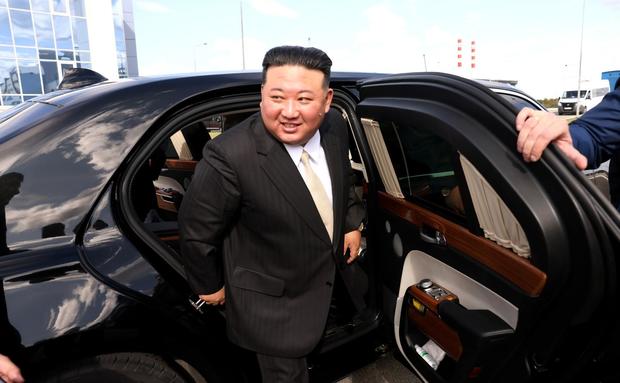
The rendezvous between Kim Jong-un and Vladimir Putin represents a pivotal moment in the geopolitical landscape. The ammunition deal, North Korea’s foreign policy shift, and the deepening alliance between Russia and North Korea create a complex web of challenges and opportunities. As the strategic dance unfolds, the international community watches closely, recognizing that the outcomes will shape the dynamics of Northeast Asia and reverberate across the globe. The chessboard is set, and the players are making their moves in this high-stakes geopolitical game.
Visit arjasrikanth.in for more insights
 SOCIAL PERSPECTIVES