Unveiling the Global Scourge: The Menace of Fake Drugs
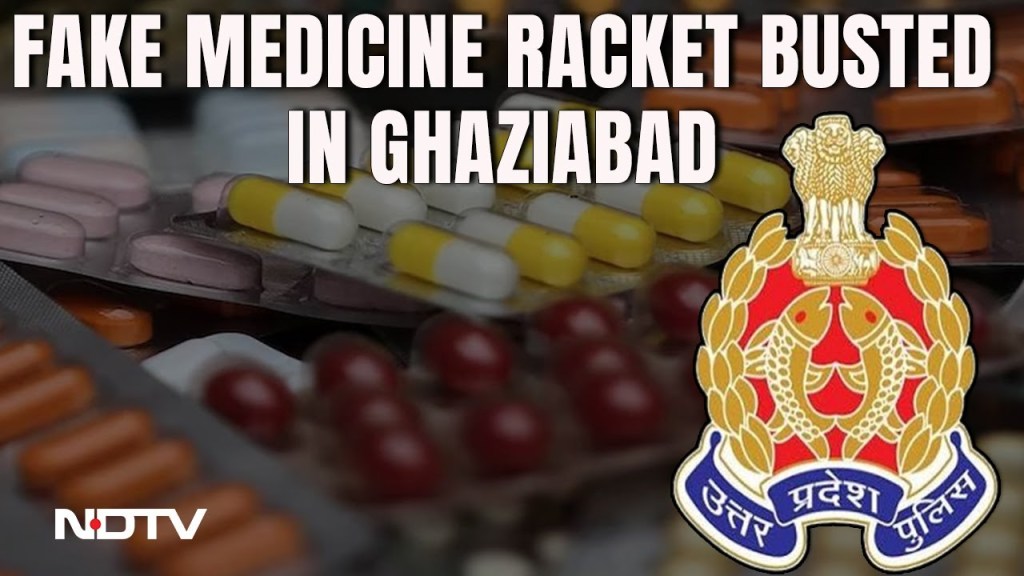
The recent exposure of a counterfeit medicine racket by the Maharashtra Food and Drug Administration (FDA) has brought to the forefront a pervasive issue transcending India’s borders. Seizing 21,600 counterfeit tablets of the antibiotic ciprofloxacin from government hospitals across Maharashtra is just a glimpse into a broader global crisis impacting public health and the pharmaceutical industry on an unprecedented scale.
Instances of counterfeit medicines infiltrating government hospitals in Maharashtra and circulating in Delhi spotlight the intricate networks underlying the fake drug industry. The crackdowns by the FDA and Delhi Police’s Crime Branch have unraveled the production, supply, and distribution chains of counterfeit medicines. The arrest of individuals involved in manufacturing and selling these drugs emphasizes the need for regulatory action and law enforcement intervention at the local level.
The economic fallout of counterfeit drugs extends far beyond local markets to the global pharmaceutical industry. Europe’s pharmaceutical sector loses billions of euros annually, contributing to a 4.4% loss of EU-wide sales. The repercussions include job losses, reduced revenues, and strained healthcare systems. Germany alone loses €1 billion or 2.9% of total revenue. The health risks posed by these counterfeit drugs, particularly in diseases like malaria, cast a looming shadow over global public health.
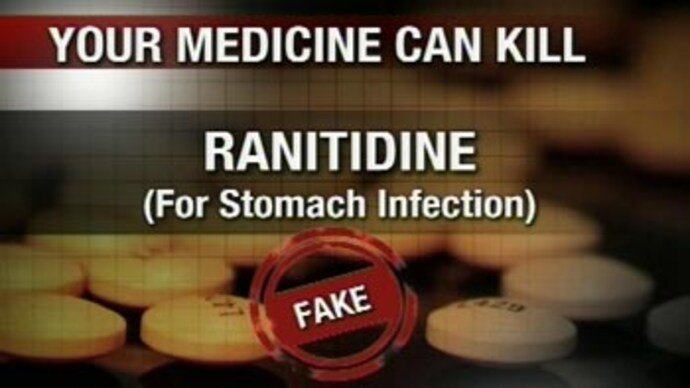
Counterfeit and substandard medicines significantly contribute to the escalating crisis of antimicrobial resistance. With rampant overuse and misuse of antimicrobials and the proliferation of counterfeit drugs, resistance is on the rise globally. The interconnectedness of travel and trade acts as a catalyst, facilitating the rapid spread of resistant microbes. Urgent action is imperative to address this growing threat and preserve the efficacy of antimicrobial treatments.
India, as a major exporter of generic medicines, stands at the forefront of the pharmaceutical industry but faces challenges in regulating its pharmaceutical sector effectively. Despite efforts to combat counterfeit drugs, regulatory challenges persist, leading to the proliferation of fake medicines. The solution lies in international collaboration, stringent regulatory measures, and robust public awareness campaigns to curb the production and distribution of counterfeit drugs. Shared accountability and sustained efforts are crucial components of addressing this multifaceted issue and ensuring medicine quality globally.
Specific cases underscore the grave consequences of counterfeit medicines. In Pakistan in 2012, 60 lives were lost after consuming a cough syrup intended for recreational use, revealing a contaminant, levomethorphan, five times stronger than morphine. In Paraguay in 2013, a locally made cough medicine containing the same dextromethorphan batch linked to deaths in Pakistan led to 44 children being hospitalized. Tragic incidents like the injection given to Thomas Rybinski in 2012 for back pain, containing contaminants causing fungal meningitis and resulting in his death, expose the severe consequences of poor-quality medicines.
Antimicrobial drugs with insufficient active ingredients significantly contribute to antimicrobial resistance, particularly in low- and middle-income countries where resistance is on the rise due to high rates of infections, overuse, and misuse of antimicrobials, poor sanitation, and poor-quality medicines. The interconnected nature of global travel and trade exacerbates the spread of resistant microbes, making it a worldwide issue demanding immediate attention.
As a major exporter of generic medicines, India plays a pivotal role in the global pharmaceutical market. However, challenges with regulatory oversight have been noted, with pharmaceutical companies facing criticism for exporting substandard or contaminated medicines. Different standards across countries complicate regulatory efforts, with a WHO study estimating that around 10% of medicines in low- and middle-income countries are of poor quality. A nationwide drug survey in India in 2017 found 3.16% of sampled medicines to be substandard and 0.0245% to be fake.
The production of fake medicines involves intricate networks, with some manufacturers offering varying degrees of active ingredients – full-salt, half-salt, or chalk-mitti. The addition of a fraction of the active ingredient to fakes, a practice that emerged about 15 years ago, allows manufacturers to claim production errors if caught. Laboratory studies suggest a link between poor-quality medicines and antimicrobial resistance, but studying this directly in humans is challenging.

In the historical context, the widespread use of chloroquine against malaria inadvertently led to the emergence of resistant parasites, highlighting the risks associated with sub-therapeutic doses. This unintended consequence shifted the dynamics of the fight against malaria, as the remedy meant to combat the disease inadvertently contributed to its resilience. The challenge intensifies with the proliferation of counterfeit antimalarials, which not only endanger lives but also exacerbate global antimicrobial resistance, containing incorrect active ingredients and even antibiotics.
Addressing the global challenge of ensuring medicine quality requires a multifaceted approach, emphasizing international coordination and effective regulation. The World Health Organization (WHO) plays a central role in confronting this issue, but the complexity demands shared and sustained global accountability. Drawing inspiration from the aviation industry, collective accountability in pharmaceutical standards can encourage nations to prioritize and enforce stringent regulations, recognizing the consequences of non-compliance beyond their borders. In essence, the battle against counterfeit medicines requires a united front, integrating international efforts to fortify the pharmaceutical industry against the threats posed by fake drugs and ensure global health through collaborative and vigilant measures.

In conclusion, the recent revelation of the counterfeit medicine racket in Maharashtra serves as a stark reminder of the complex, globalized processes involved in the manufacture and distribution of medicines. Cases of fake and substandard medicines expose the urgent need for enhanced regulatory measures, international collaboration, and shared accountability to safeguard public health and address the growing threat of antimicrobial resistance. The impact of counterfeit drugs extends far beyond local borders, posing a significant threat to both public health and the integrity of the pharmaceutical industry on a global scale. Through concerted efforts, stringent regulations, and heightened public awareness, the international community can combat the menace of counterfeit medicines and ensure the safety and efficacy of medications worldwide.
Visit arjasrikanth.in for more insights
 SOCIAL PERSPECTIVES