Upholding Integrity: The Battle Against Paper Leaks in Indian Education
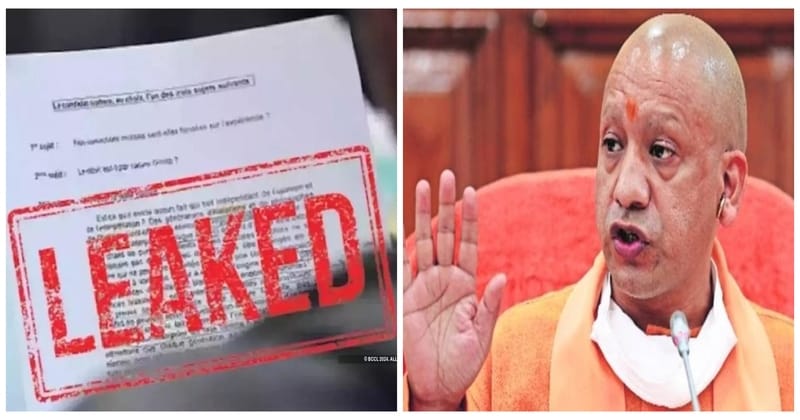
In the vast expanse of India’s educational landscape, the challenge of paper leaks has emerged as a pressing concern. Recent incidents in Uttar Pradesh, marked by the cancellation of the UP Police Constable Recruitment exam and the postponement of the UPPSC CS trial exam, highlight the severity of the issue. The repercussions of such leaks extend beyond Uttar Pradesh, permeating schools and examinations nationwide. As the nation confronts this crisis, concerns about the adequacy of existing measures become prominent, underscoring the necessity for a cohesive and comprehensive approach to uphold the integrity of examinations.
The storm erupted with widespread protests and accusations of paper leaks, culminating in the unprecedented cancellation of the UP Police Constable Recruitment exam. In the aftermath, the apprehension of hundreds linked to the paper leak unveiled a complex network of corruption and malpractice within the examination system. As concerns over exam integrity heightened, the UPPSC CS trial exam faced an unexpected postponement, intensifying anxieties among aspirants and casting shadows over the sanctity of the examination process.

The contagion of question paper leaks extended its reach to Haryana, where malpractice during class 10th and 12th exams underscored the widespread nature of the issue. Individuals, driven by desperation for unfair advantages, went to extreme lengths, disrupting the sanctity of examination halls. The epidemic of paper leaks knows no geographical bounds, stretching from the southern realms of Telangana to the northeastern landscapes of Assam, the western expanse of Maharashtra to the princely state of Rajasthan. It has infiltrated exams across states, sparing no subjects and impacting diverse educational levels. The incidents of question paper leaks during class 10th and 12th exams in Haryana serve as poignant examples, shedding light on the pervasive nature of this problem and the urgent need for comprehensive measures to preserve the integrity of the examination system.
The decisive passage of the Public Examinations Bill 2024 by Parliament signifies a united front against paper leaks. This legislation, armed with stringent punishments for offenders, reflects a resolute commitment to uphold the integrity of examinations. Political figures, with Rahul Gandhi at the forefront, have responded to the crisis by pledging to introduce new laws. These proposed legislations aim to establish foolproof examination procedures, with a particular emphasis on eliminating the involvement of private entities in the examination process. The concerted efforts of lawmakers and political figures underscore a collective determination to address the root causes of paper leaks, ensuring a robust and trustworthy examination system for the benefit of all stakeholders.

The battle against paper leaks faces formidable technological challenges as culprits employ sophisticated methods to evade detection, including the exploitation of 5G networks. This poses a substantial hurdle for investigators striving to maintain the integrity of examinations. Special Task Forces, exemplified by the one in Uttar Pradesh, are at the forefront of actively pursuing leads and interrogating suspects. Their mission is to unravel the intricate networks behind paper leaks, employing meticulous investigative methodologies to stay ahead of the technological advancements leveraged by those involved in malpractice. As the cat-and-mouse game between investigators and culprits unfolds, the determination of these specialized units becomes increasingly crucial in maintaining the sanctity of examinations and curbing the influence of technology on the illicit activities undermining the educational system.
The tragic toll of despair has manifested in aspirants resorting to taking their own lives, a heart-wrenching consequence of the turmoil induced by paper leaks. These deeply unsettling incidents underscore the devastating impact on individuals’ lives and mental well-being, prompting a somber reflection on the profound consequences of this crisis. Beyond the immediate implications for academic and professional pursuits, the crisis reveals a poignant human dimension, highlighting the urgent need for comprehensive measures to address the psychological toll on individuals grappling with the uncertainties and challenges posed by paper leaks. As the educational landscape contends with this distressing reality, it underscores the imperative not only to safeguard the integrity of examinations but also to prioritize the mental health and well-being of aspirants affected by these egregious breaches of trust.

The paper leak crisis has not only been a profound issue affecting the education system but has also emerged as a potent political tool. Opposition parties, seizing upon the crisis, have effectively utilized it to criticize the government’s perceived failure in addressing key issues such as unemployment and corruption. What initially unfolded as an examination integrity concern has now morphed into a significant election issue, resonating with a broader electorate concerned about governance and accountability. The political implications of the paper leak crisis are far-reaching, adding a layer of complexity to the discourse surrounding educational reforms. This convergence of educational and political narratives underscores the need for a nuanced and comprehensive approach in addressing the multifaceted challenges posed by paper leaks. It is a stark reminder that the consequences of such crises extend beyond the educational realm, permeating into the broader socio-political landscape of the nation.
Addressing the aftermath of the paper leak crisis demands a multifaceted strategy to rebuild public trust in the examination system. Central to this effort is addressing systemic issues like unemployment and corruption, which fuel malpractices. Concrete actions, including legislative reforms with stringent penalties, leveraging technological advancements, and fostering a unified approach involving governmental bodies, educational institutions, and civil society, are imperative. The goal is to create a resilient and trustworthy examination framework, rectifying flaws, and restoring public confidence through collective action.
The battle against paper leaks in Indian education is far from over. As the nation confronts this multifaceted challenge, it must address underlying issues of unemployment, corruption, and institutional integrity. Only through concerted efforts and unwavering commitment can India uphold the integrity of its education system and provide its youth with a fair and equitable pathway to success. This entails not just securing examination processes but also fostering a holistic environment that promotes transparency, discourages malpractices, and ensures a level playing field for all aspiring students.
visit arjasrikanth.in for more insights
 SOCIAL PERSPECTIVES