The mismanagement saga at Byju’s and Paytm signals a pivotal moment for the Indian startup ecosystem, prompting introspection and strategic recalibration.
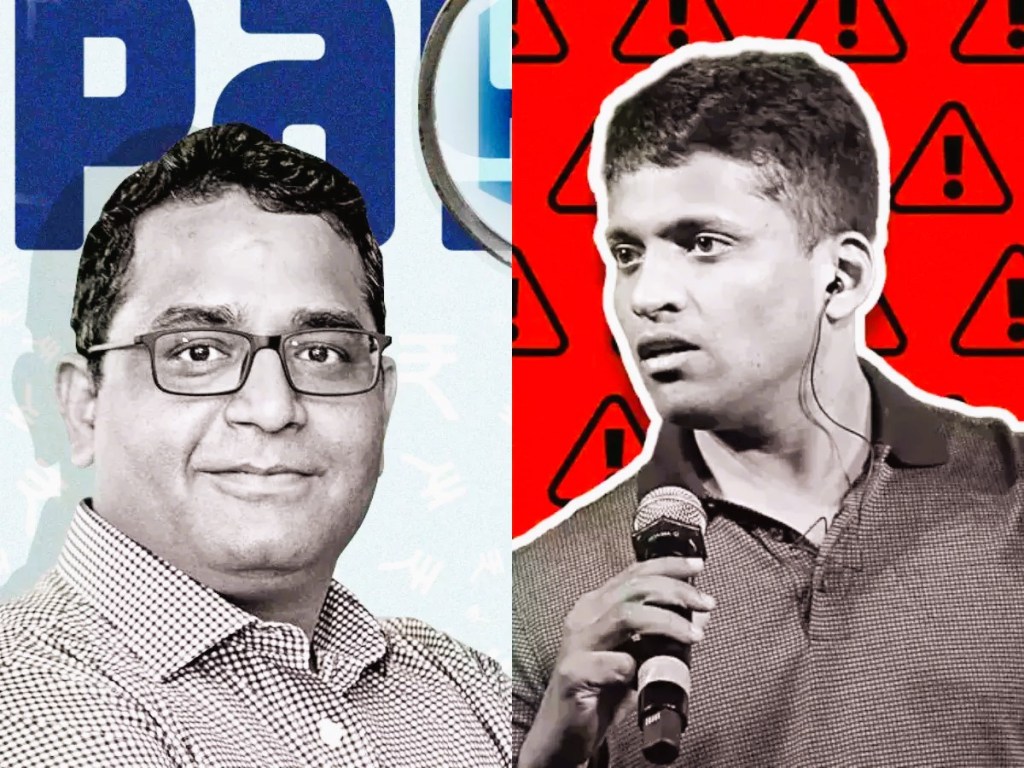
In the fast-paced world of Indian startups, the recent turmoil at Byju’s and Paytm has reverberated across the entrepreneurial landscape, serving as a stark wake-up call for the industry. Once heralded as beacons of India’s burgeoning unicorn ecosystem, these high-profile companies find themselves embroiled in a complex web of financial mismanagement, legal disputes, and regulatory scrutiny. As investors take legal action and regulatory authorities intervene, the saga unfolding at Byju’s and Paytm underscores the urgent need for a paradigm shift in the way startups operate and are regulated in India.
The journey of Byju’s as the jersey sponsor for the Indian cricket team serves as a poignant example of the risks inherent in high-profile sports sponsorships. What began as a strategic move to enhance brand visibility soon spiralled into a tangled mess of financial discrepancies and contractual disputes. Byju’s abrupt decision to exit the sponsorship deal, coupled with allegations of non-payment and legal entanglements with the Board of Control for Cricket in India (BCCI), has tarnished the company’s reputation and raised questions about the true impact of such partnerships.
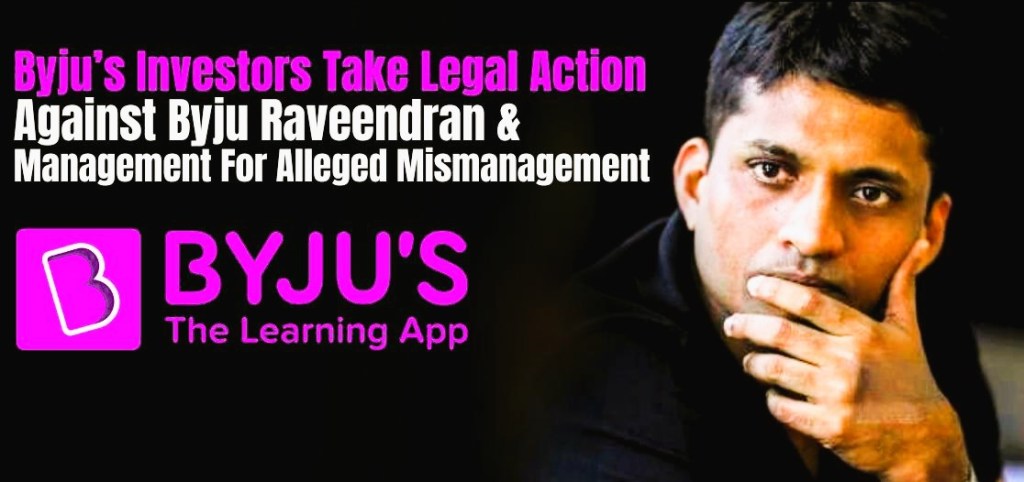
Meanwhile, Paytm, once hailed as the ‘father of fintech’ in India, faces its own set of challenges. Regulatory interventions and operational disruptions at Paytm Payments Bank have cast a shadow over the company’s pioneering role in shaping India’s digital payments landscape. As regulatory scrutiny intensifies and investor confidence wanes, Paytm’s struggles highlight the need for startups to prioritize compliance and transparency in their operations.
At the heart of the turmoil at Byju’s lies a saga of financial mismanagement, offshore dealings, and legal disputes. Revelations of $533 million tied up in offshore accounts, coupled with accusations of oppression and mismanagement by investors, have sent shockwaves through the startup community. Byju’s meteoric fall from grace, marked by a sharp decline in valuation and legal battles with creditors, serves as a cautionary tale for aspiring entrepreneurs about the perils of unchecked growth and corporate governance failures.

Similarly, Paytm’s regulatory woes and operational challenges underscore the need for startups to navigate the regulatory landscape with caution and foresight. As regulatory authorities crack down on non-compliant practices and investors demand greater transparency, startups must adopt a culture of accountability and regulatory compliance to thrive in the long run.
Despite the challenges faced by Byju’s and Paytm, industry experts remain cautiously optimistic about the future of the Indian startup ecosystem. Initiatives like Startup India and Digital India continue to foster a conducive environment for innovation and entrepreneurship, paving the way for sustained growth and resilience in the face of adversity.
As Indian startups navigate the aftermath of the Byju’s and Paytm saga, they must heed the lessons learned from these high-profile failures. From prioritizing fiscal discipline and regulatory compliance to fostering a culture of transparency and accountability, startups must embrace a holistic approach to sustainable growth and long-term success. The wake-up call sounded by the turmoil at Byju’s and Paytm serves as a timely reminder for Indian startups to tread carefully, learn from past mistakes, and chart a course towards a brighter, more resilient future.
visit arjasrikanth.in for more insights
 SOCIAL PERSPECTIVES