An in-depth analysis of the intricate economic consequences of US sanctions on Russia, exploring the resilience of the Russian economy and its ripple effects on global dynamics.
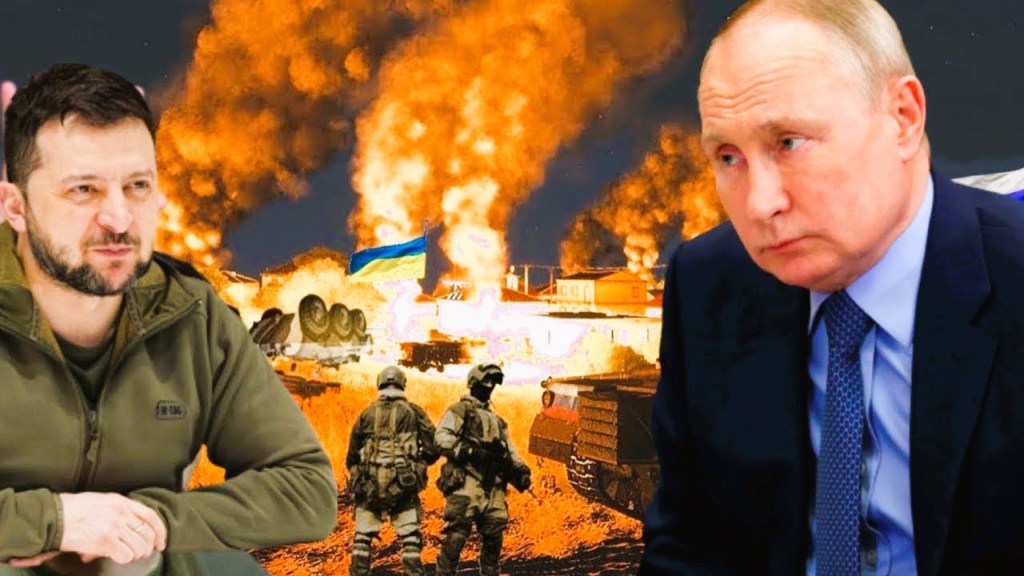
The geopolitical landscape has been dramatically reshaped by the ongoing conflict between Russia, Ukraine, and the West, with economic warfare emerging as a prominent feature. In response to Russia’s invasion of Ukraine in February 2022, the United States, alongside its allies, unleashed a barrage of economic sanctions aimed at curbing Russian aggression and undermining its capacity to wage war. However, as the economic chessboard unfolds, it becomes increasingly evident that the consequences of these sanctions are far more intricate and interconnected than initially anticipated.
The initial shockwaves from the conflict reverberated through global commodity markets, particularly impacting the energy sector. Gasoline prices in the United States surged, with the producer price index (PPI) for gasoline jumping 85%. The volatility in energy commodities, including diesel, gasoline, oil, and natural gas, reflected the turbulence following Russia’s invasion of Ukraine.
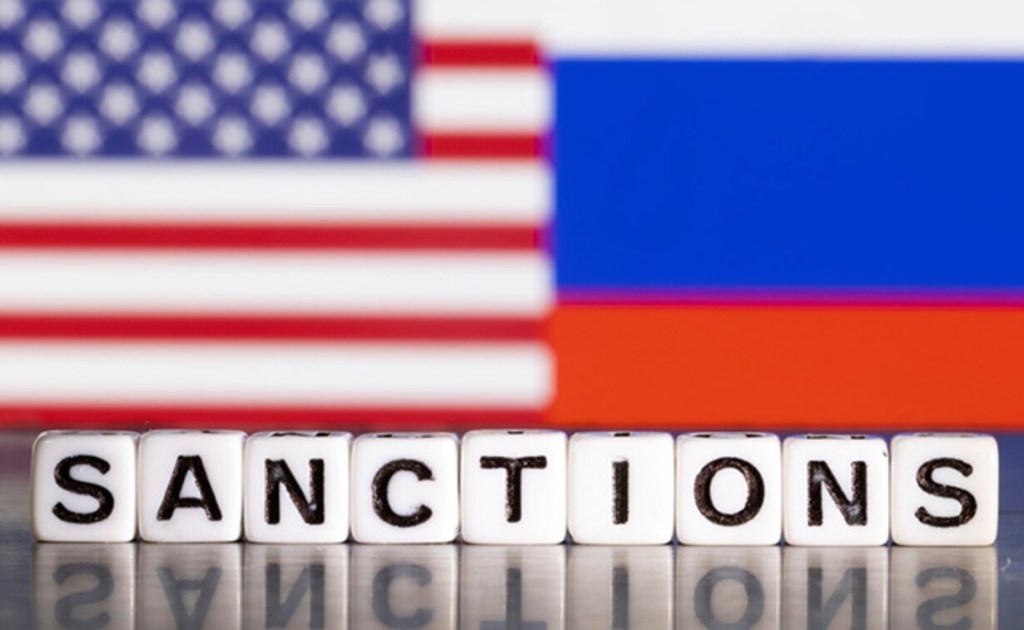
Diesel and gasoline prices, closely tied to crude oil trends, experienced a significant divergence post-conflict. While both peaked, diesel prices outpaced gasoline, surging by approximately 109% compared to the previous year. The scarcity of diesel fuel globally, exacerbated by disruptions in energy exports from Russia due to sanctions, contributed to this divergence.
Despite initial turbulence, subsequent data suggests a gradual stabilization in price indices, indicating market adaptation to the shocks triggered by the conflict. Ongoing developments, including additional sanctions, continue to shape the economic landscape, necessitating vigilant monitoring and analysis.
The recent sanctions announced by the US Department of State reveal a multifaceted approach to pressure Russia. Entities involved in future energy projects, such as AO Nipigazpererabotka (Nipigaz), face targeted measures to hinder Moscow’s expansion in energy production and export capabilities. Subsidiaries of Nipigaz and entities in metals and mining sectors confront punitive actions aimed at disrupting Russia’s economic activities.
Shipping companies like Sakhalin Shipping Company (SASCO) are targeted to impede logistical support to Russian energy projects and expand Russia’s trade routes. Simultaneously, key players in Russia’s military space program, defense industry, and technology sector face sanctions, reflecting an attempt to degrade Russia’s military capabilities and curb sanctions evasion.
Sanctions extend to Russian private military companies (PMCs) supporting Russia’s war efforts outside its borders. Individuals and entities associated with the Wagner Group, including PMC Vega and its leader Anatoliy Anatolievich Smolin, face sanctions for their roles in facilitating Russia’s military operations.
Practically, the sanctions involve the blocking of property and interests in the United States belonging to designated individuals and entities. Transactions involving blocked persons are prohibited unless authorized by the Office of Foreign Assets Control (OFAC), highlighting the extensive reach and enforcement mechanisms of US sanctions.
The roots of modern economic sanctions trace back to President Woodrow Wilson and the post-World War I period. Economic blockades during WWI against the Central Powers laid the foundation for viewing sanctions as a powerful tool, akin to war but without direct conflict. However, the once-held belief that economic sanctions would be an unbearable form of imprisonment, deterring leaders from war, no longer holds true.
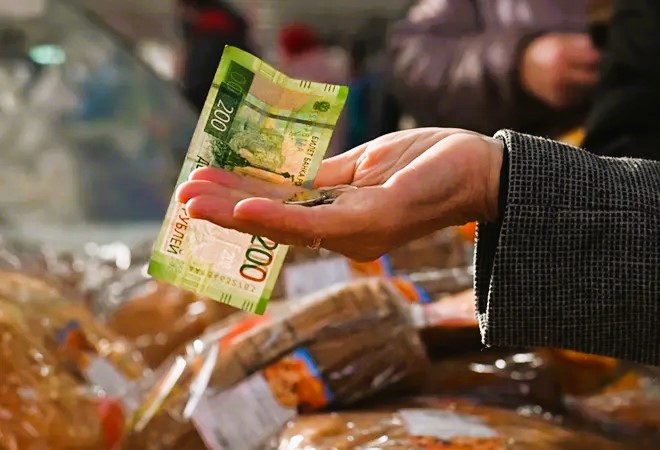
The use of sanctions by the United States surged by over 900% between 2000 and 2021, reflecting their widespread adoption. Despite their frequent use, their efficacy remains a subject of intense debate. Some research highlight the declining success rate of US sanctions over time, indicating a shift in their effectiveness.
While sanctions undeniably pressure Russia’s economy, experts argue that they have not made waging war sufficiently costly. This observation points to the resilience of the Russian economy, raising questions about the efficacy of sanctions in achieving their intended objectives. The conflict between Russia and Ukraine extends beyond economic considerations, shaping global political alliances and dynamics.
The imposition of sanctions has strained relations with Russia, impacting global trade dynamics and exacerbating challenges in critical commodities like food and energy. In response to Russia’s resilience, the US has escalated sanctions, targeting Russian elites, industrial sectors, financial institutions, and technology suppliers. Russia, in turn, seeks to reduce dependency on the Western financial system by exploring alternative payment mechanisms and digital currencies.
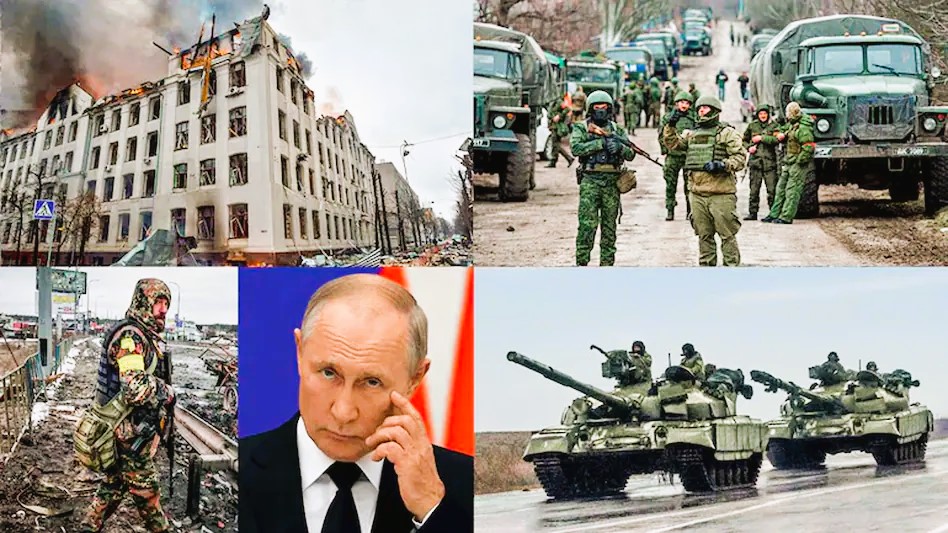
In conclusion, the economic impact of US sanctions on Russia in response to the Ukrainian conflict is a multifaceted and evolving narrative. While sanctions aim to alter outcomes in other countries without direct military engagement, their effectiveness remains a subject of intense debate. The declining success rate, potential for negative repercussions on relations and civilian populations, and the complex interplay of geopolitical factors underscore the intricacies of using sanctions as a tool of modern warfare. Prudent diplomacy and strategic intervention become crucial as the ramifications of the conflict continue to reverberate worldwide. The need for a nuanced approach in navigating the intricacies of economic warfare within the evolving landscape of global geopolitics becomes ever more apparent.
visit arjasrikanth.in for more insights
 SOCIAL PERSPECTIVES