Maharashtra’s recent amendments to the Right to Education Act spark discussions on equity, finances, and the future of education in the state.
The Right of Children to Free and Compulsory Education Act, enacted in 2009, stands as a pivotal instrument in ensuring access to education for all. This act obligates the government to provide free education to students aged 6 to 14 in public schools. Additionally, private schools are mandated to reserve 25% of their seats for underprivileged or disadvantaged sections of society. However, recent developments in Maharashtra have ignited controversy and raised questions about the implementation of this fundamental right.
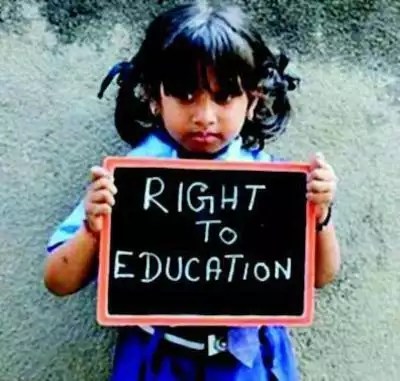
Under the revised rules, children from economically disadvantaged backgrounds will no longer be eligible for admission to private or private unaided schools if a government school is available within a one-kilometre radius of their residence. This significant alteration aims to redefine the balance between public and private education, sparking a broader conversation about the responsibilities of the government and the rights of children to quality education.
One of the key changes involves the reimbursement of costs incurred by unaided schools selected under the RTE Act. The new rule states that local authorities will no longer be obligated to reimburse these schools for expenses associated with providing education to economically disadvantaged students. The earlier version of the RTE Act mandated that all unaided and private schools reserve 25% of their seats for children from economically backward sections up to the 8th standard. This provision ensured free and compulsory education for children between the ages of 6 to 14 years, with the government reimbursing tuition fees to private schools for these students.
However, a recurring issue highlighted in the amendment revolves around pending reimbursements owed by the Maharashtra government to private schools. Reports suggest that the government owes an estimated ₹1,463 crore to these institutions, with some private school managements claiming the amount is even higher, exceeding ₹2,000 crore. In December of the previous year, the Maharashtra English School Trustee’s Association (MESTA) issued a warning that all private schools would boycott the 25% quota in the upcoming academic year unless the government promptly reimburses the pending amounts. The president of MESTA emphasized that reimbursement for over 11,000 schools is long overdue, reflecting the severity of the situation.
Maharashtra’s Education Department recently amended the rules governing the implementation of the Right to Education (RTE) Act in the state. According to the new rules, private schools within a 1 km radius of a government or aided school must now provide admission under the RTE Act for 25% of their total seats. In cases where there is no government or aided school nearby, the available private school is obligated to reserve 25% of its total seats for RTE admissions.
The government’s rationale for this change is rooted in giving preference to state-run schools for RTE admissions before considering private institutions. The Education Department argues that the state’s schools offer various facilities, and children should have the opportunity to benefit from them before turning to private schools. Additionally, the government cites the need to control the escalating reimbursement costs to private schools, which was becoming a financial burden.
While the state government has not provided a specific figure for the pending reimbursement amount, estimates from the Association of Private School Management suggest it could be close to ₹200 crore.
Unsurprisingly, this significant alteration to the RTE Act’s implementation has sparked diverse reactions from stakeholders. Parents express frustration, believing that their children are being denied opportunities for better education in private schools. Educationists, too, have mixed reactions, with some welcoming the relief for private schools from admitting students under the RTE quota, while others question the amendment’s alignment with the spirit of the original act.
Legal concerns have also been raised by education activists, questioning whether a state has the authority to amend a central law like the RTE Act. The state government defends its position, asserting that it has amended the rule of implementation, not the law itself, and that states have the prerogative to modify rules.

This move by Maharashtra marks a departure from the existing norms, leading to speculation about its potential implications for the education landscape. It prompts a broader conversation about the delicate balance between public and private education, the responsibilities of the government, and the rights of children to quality education.
As this debate unfolds, Maharashtra becomes a testing ground for redefining the contours of education policy and implementation. The journey from this rule amendment to its practical outcomes will likely shape the discourse around the Right of Children to Free and Compulsory Education Act, and its reverberations may be felt far beyond the borders of the state.
visit arjasrikanth.in for more insights
 SOCIAL PERSPECTIVES
3 responses to ““Changing Tides: Maharashtra’s New Rules on the Right to Education Act””
खाजगी शाङा मधे 10 वीं पर्यंत मुलींना मोफत शिक्षण मिडाले पाहिजे।
LikeLike
मागासवर्गीय मुलींना खाजगी शाळांमध्ये बारावीपर्यंत शिक्षण मोफत मिळावे तसेच आर टी इ मुलांना /मुलींना दहावीपर्यंत शिक्षण मोफत मिळावे
LikeLike
मागासवर्गीय मुलींना बारावीपर्यंत खाजगी शाळेमध्ये शिक्षण मोफत मिळावे तसेच आरटीई अंतर्गत दहावीपर्यंत शिक्षण मोफत मिळावे
LikeLike