Understanding the Challenges and Setbacks Faced by Pawan Kalyan’s Political Venture
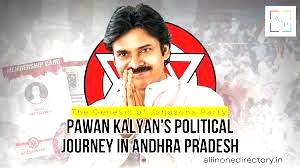
Pawan Kalyan, the revered actor turned politician, initiated his political journey in 2014 with the establishment of the Jana Sena Party (JSP), aiming to reshape Andhra Pradesh’s political landscape. However, the party faced substantial setbacks in the 2019 elections, prompting a thorough analysis of the factors contributing to its underwhelming performance.
The first challenge stemmed from Pawan Kalyan’s limited demographic appeal, primarily concentrated among the youth. This contrasted with his brother Chiranjeevi’s widespread support across all age groups, causing JSP to struggle in transcending specific demographics and hindering its potential for broad-based support.
Entering the political arena as a new entrant, JSP found itself in a tough landscape dominated by established parties like TDP and YSRCP. The party lacked the necessary political infrastructure, financial strength, and media support, putting it at a disadvantage against these political giants.
JSP’s commitment to contesting elections without traditional voter incentives faced resistance in a political landscape accustomed to populist practices. The party’s pursuit of a clean, issue-based campaign collided with prevailing norms in Andhra Pradesh politics.
Carrying the weight of his brother Chiranjeevi’s perceived political failure, Pawan Kalyan faced scepticism among voters. Critics questioned his integrity, citing his initial support for the BJP-TDP alliance in 2014 and subsequent alliance with the BSP and the Left in 2019.
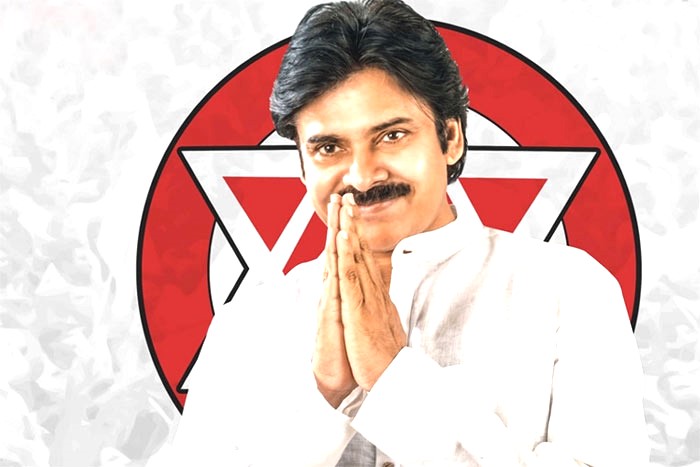
Pawan Kalyan’s lack of political experience led to strategic errors, such as contesting in Bhimavaram where defeat was anticipated. The delayed announcement of candidates and reliance on inexperienced leaders in key constituencies hindered the party’s electoral prospects.
The perceived inconsistency in Pawan Kalyan’s shifting stance on alliances and political affiliations created an impression of inconsistency. Allegations of family politics emerged as Pawan’s brother, Naga Babu, joined JSP and contested elections.
Limited media coverage and unfamiliarity among senior citizens regarding JSP’s goals and ideologies impacted voter awareness. Opposition parties, particularly YSRCP, framed JSP as a TDP ally, undermining its credibility.

Specific electoral losses, such as in Bhimavaram and Gajuwaka, showcased the challenges in connecting with voters and strategic miscalculations. Opposition parties spread rumours of JSP accepting money from TRS and YSRCP, creating a negative perception among voters.
To address these challenges, suggestions for future strategies include diversifying demographic appeal by engaging with a broader spectrum of age groups and communities. Building a strong political infrastructure, enhancing financial strength, and establishing a more prominent media presence are crucial for effective competition.
Effective communication of the party’s ideology, addressing legacy issues, prioritizing experienced leaders in candidate selection, maintaining consistency in messaging and alliances, and investing in a comprehensive media strategy are key components for JSP’s resurgence.
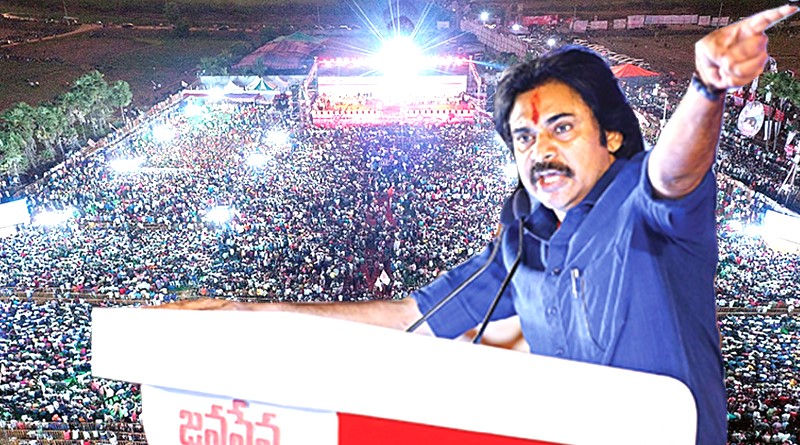
In conclusion, the failures of Pawan Kalyan and the Jana Sena Party in the 2019 elections offer valuable lessons for the future. By addressing these challenges and implementing strategic improvements, JSP can emerge stronger, resonate with a more diverse electorate, and position itself as a formidable contender in the upcoming 2024 elections. Pawan Kalyan’s political journey, though marked by setbacks, has the potential for rejuvenation and growth with a renewed focus on inclusivity, strategic planning, and consistent communication. As the party reflects on its past, the path to resurgence lies in embracing change, learning from mistakes, and evolving into a political force that truly represents the aspirations of the people of Andhra Pradesh.
visit arjasrikanth.in for more insights
 SOCIAL PERSPECTIVES