The plight of poor women in Sandeshkhali exposes the deafening silence of the police and the overshadowing dominance of political power.
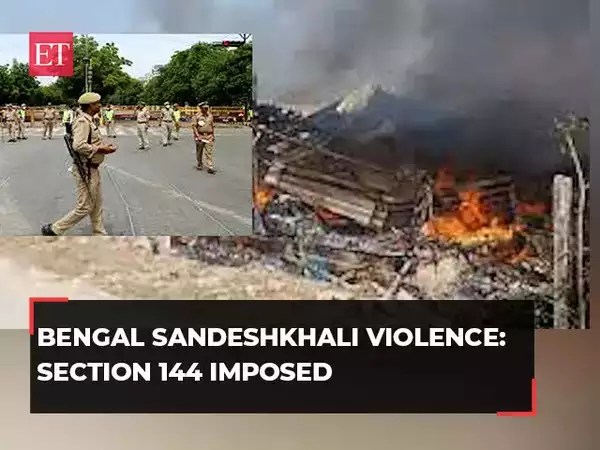
The tranquil village of Sandeshkhali in West Bengal has been thrust into the spotlight, not for its serene landscapes, but for the harrowing tales of sexual harassment and abuse that echo through its lanes. A battleground for political supremacy between the ruling Trinamool Congress (TMC) and the opposition Bharatiya Janata Party (BJP), this picturesque village has become a microcosm of the struggles faced by the voiceless against the machinery of power.
The allegations of mass rape and sexual harassment targeting Bengali women have unveiled a disturbing pattern of exploitation. Around 24 victims, brave enough to speak out, recount a sinister modus operandi orchestrated by powerful TMC members, including leader Shahjahan Shaikh. Late-night party meetings, presented as innocuous gatherings, turned into nightmares of molestation and assault. The victims, predominantly poor women, faced coercion, intimidation, and the spectre of social ostracization if they dared to resist.
At the forefront of the victims’ struggle for justice stands the alarming silence of the local police administration. In Sandeshkhali, where only one lady police constable serves the entire area, the marginalized find their voices stifled. Attempts to file complaints are met with reluctance, rendering the quest for justice an arduous journey. The police, entrusted with protecting citizens, stand accused of complicity, as they turn a blind eye to the victims’ pleas.
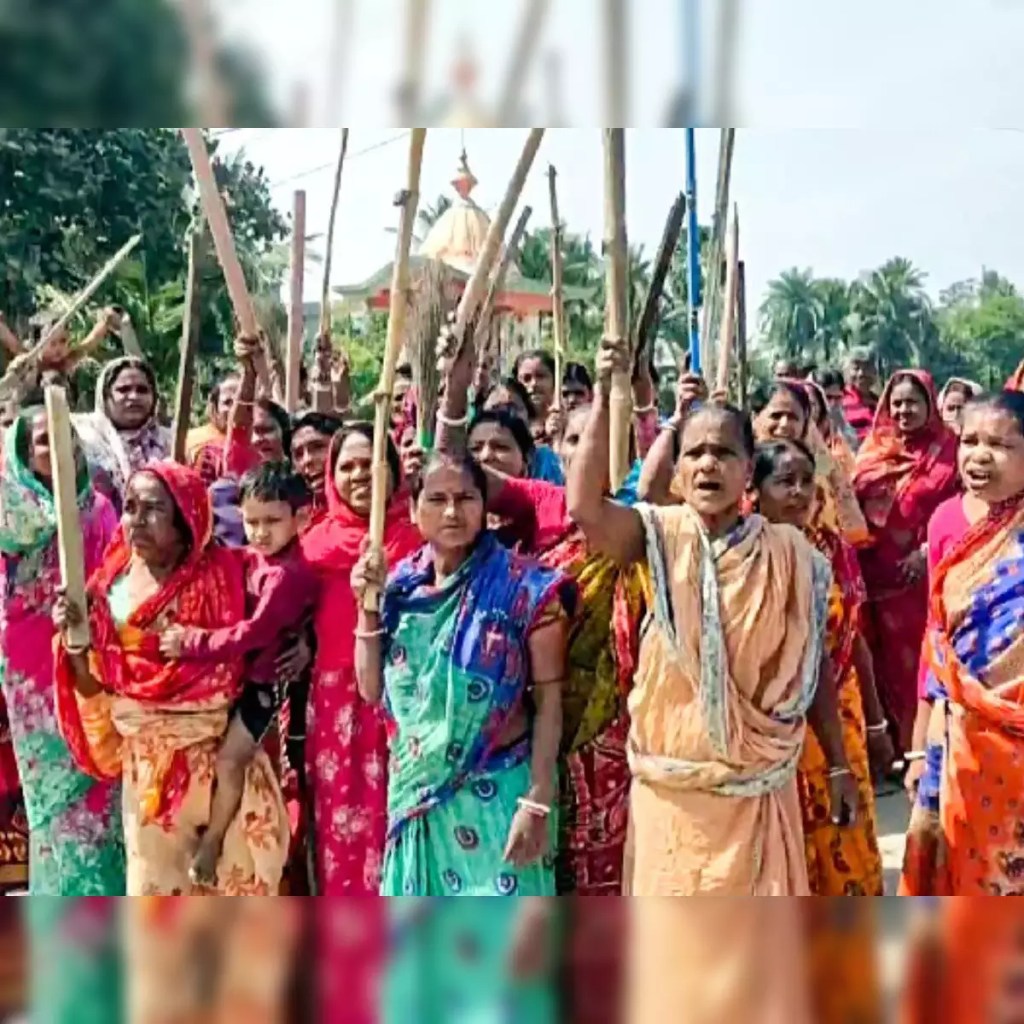
The unfolding narrative of Sandeshkhali has become an arena for political one-upmanship, with the TMC and the BJP engaging in a bitter war of words. The victims, unfortunately, find themselves ensnared in this political crossfire, their suffering overshadowed by the larger battle for dominance. The pursuit of justice has taken a backseat to political point-scoring, leaving the impoverished victims grappling with the consequences.
For the impoverished residents of Sandeshkhali, seeking justice goes beyond legal recourse; it becomes a test of survival. In a landscape dominated by power imbalances and indifference, the poor and marginalized are left to bear the weight of apathy. The silence of the police and the political posturing further marginalize those who are already on the fringes of society.
The recent events in West Bengal unravel the layers of systemic challenges faced by women, particularly those from impoverished backgrounds. Their modesty is not only assaulted by the perpetrators but also suffers the collateral damage of police inaction and political dominance. The struggle for justice is an uphill battle, where the victims are not only grappling with their traumatic experiences but also with a system that seems designed to silence their cries.

The Sandeshkhali unrest is a poignant reminder of the urgent need for systemic reforms and a collective commitment to justice. The victims, especially the poor women whose modesty has been violated, deserve more than just symbolic gestures. They deserve a society that protects and empowers them, where the police and the political machinery serve as guardians rather than oppressors.
In the quest for justice, it is imperative to transcend political affiliations and focus on the core issue – the well-being of the victims. Only by dismantling the structures of power and privilege can we hope to bring about lasting change. The voices of the poor women in Sandeshkhali must not be drowned out by political rhetoric; their cries for justice must be heard and answered with urgency.
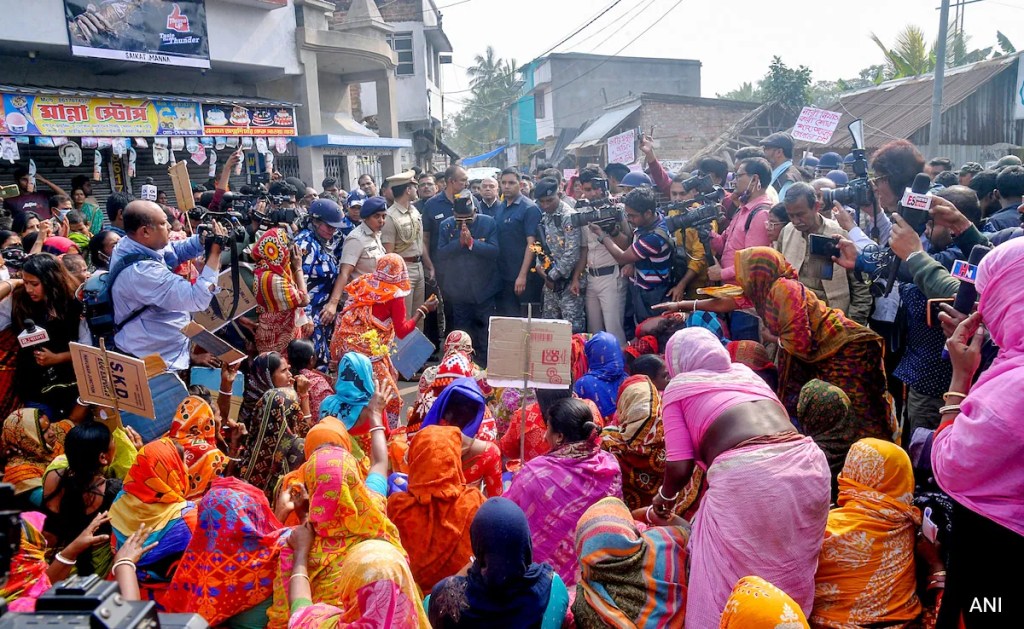
The turmoil in Sandeshkhali serves as a stark reminder of the systemic issues undermining justice in our society. It highlights the urgent need to address the culture of impunity that allows exploitation to thrive. The call for justice from Sandeshkhali extends beyond its borders, urging a broader societal transformation to dismantle structures of exploitation and uphold principles of equity. The plight of marginalized women underscores the necessity for collective action to ensure their rights and dignity are protected. This turbulence presents an opportunity for introspection and demands re-evaluation of systems perpetuating silence and emboldening perpetrators. As we reflect on the challenges faced by women in Sandeshkhali, it is imperative to commit to fostering an environment where justice is non-negotiable for all. Let us heed this call for change, striving for a future where justice prevails as a beacon of hope, transcending boundaries and empowering the oppressed.
visit arjasrikanth.in for more insights
 SOCIAL PERSPECTIVES