“Delve into the Heart of Geopolitical Strife with a Comprehensive Journey through India-China Border Tensions”
The India-China border dispute, spanning a 3,440-kilometer-long ill-defined border, has emerged as a critical flashpoint in international relations. This article delves into the historical context, causes, specific disputes, recent conflicts, and the economic and geopolitical implications of this longstanding and complex territorial discord.
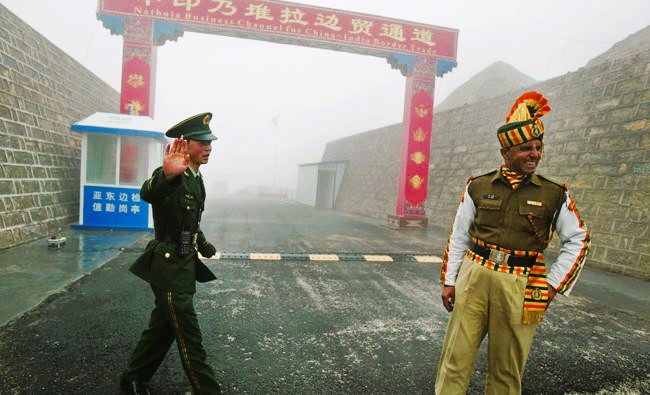
The genesis of the tension can be traced back to China’s invasion of Tibet, eliminating the historical buffer between the two nations. Suppression of Tibetan culture, coupled with territorial claims over Aksai Chin and NEFA (now Arunachal Pradesh), laid the groundwork for the ongoing dispute. The non-acceptance of discussions by Chinese leaders further escalated tensions.
The 3,440-kilometer-long border is divided into three sectors – Western, Middle, and Eastern. Frequent shifts due to geographical features have brought soldiers face to face, particularly in conflict areas like Aksai Chin and Arunachal Pradesh. These areas are central to the ongoing territorial discord, with China rejecting India’s claims.

The 2020 border clash, resulting in casualties on both sides, underscored the volatility of the situation. Further clashes, such as the one in December 2022 at Yangtse in Arunachal Pradesh, indicate the persistent tensions and the potential for escalation along the Line of Actual Control (LAC).
Arunachal Pradesh remains a focal point, with China asserting it as “South Tibet,” rejecting India’s territorial claims. The Ladakh region witnessed a historical conflict in 1962, resulting in China occupying Aksai Chin, a territory India still claims as part of Ladakh.
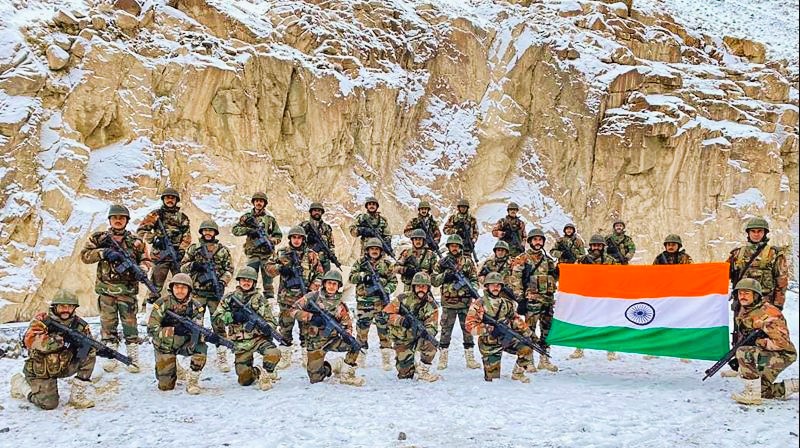
The Line of Actual Control (LAC) remains contentious, with different claims by India and China. India’s trade deficit with China further complicates the situation. The economic relationship between the two nations is strained due to the unresolved border dispute and reported military incursions.
China’s conflicts with Indian troops are fuelled by India’s stance on disputed borders and perceived subversion in Tibet. The geopolitical implications extend beyond territorial claims, influencing regional dynamics and international relations.
The land dispute near Tawang, where China claims Tawang and other disputed areas along the Arunachal Pradesh border, remains a source of tension. These contested regions are central to the broader border dispute and highlight the complexity of the territorial discord.
The 2020–2021 China–India skirmishes led to China’s illegal occupation of approximately 2,000 square kilometres of Indian land along the LAC. This territorial loss adds a layer of complexity to the ongoing tensions.

The Ladakh region’s strategic importance, particularly in the Western sector, remains a key point of contention. Aksai Chin, a high-altitude corridor linking Tibet to western China, is a disputed territory that adds to the complexities of the border dispute.
The India-China border dispute persists as a significant geopolitical challenge. Recent clashes and the Supreme Court’s decision on the electoral bond scheme underscore the intricate landscape India navigates internally and externally. The resolution of border tensions remains critical for regional stability and international relations.
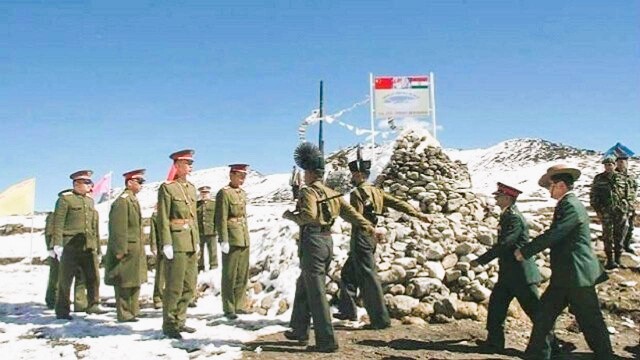
In recent years, China has significantly enhanced infrastructure along the Line of Actual Control (LAC) that borders India’s north-eastern region. This development encompasses the construction of roads, bridges, and numerous villages, known as border defense villages. These villages, initially unoccupied, are now seeing Chinese nationals settling in the eastern part of Arunachal Pradesh. Tensions in the India-China relationship persist since 2020, marked by a military standoff in eastern Ladakh. Disputed areas like Pangong Tso and Depsang remain unresolved, with ongoing talks and disengagement yet to materialize. The strategic developments also extend to the northeast, particularly the Tawang sector of Arunachal Pradesh, where clashes have erupted over territorial claims. China’s aggressive infrastructure initiatives, including model villages, are viewed by Indian experts as tools to reinforce territorial assertions along the LAC, raising concerns about the geopolitical landscape in the region.
India, in response to China’s infrastructural developments, has undertaken significant efforts to bolster its infrastructure along the Line of Actual Control (LAC). In recent years, India has constructed roads, bridges, and military habitats in Ladakh. Similar initiatives are underway in Arunachal Pradesh, where highways are being built to enhance connectivity, particularly in crucial regions like Tawang. However, challenges persist in some areas of eastern Arunachal, which lack adequate infrastructure. India’s proactive approach extends to the Vibrant Villages program, targeting the transformation of 663 border villages into modern, amenity-equipped settlements. Specifically, around 70 villages along the border with China are earmarked for development under this initiative, showcasing India’s commitment to fortifying its border regions and ensuring the well-being of its border communities.
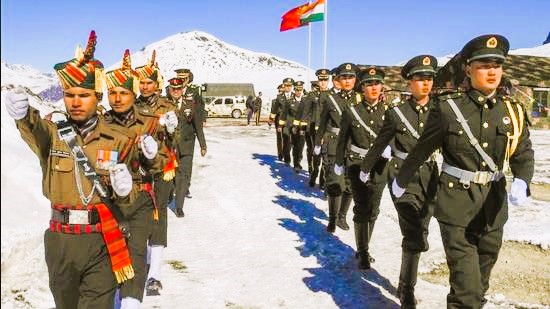
In conclusion, the India-China border dispute, with its deep historical roots and contemporary complexities, stands as a defining challenge for both nations. The territorial discord, driven by conflicting claims and historical events, has led to confrontations, casualties, and strategic implications. Diplomatic dialogue, transparency, and peaceful resolutions are imperative as both nations grapple with this longstanding issue. The impact of border tensions extends beyond territorial boundaries, influencing economic relations, geopolitical dynamics, and the broader stability of the region. While the journey toward resolution remains uncertain, ongoing efforts and discussions shape the future trajectory of India-China relations and regional geopolitics.
visit arjasriaknth.in / @DrArjasreekanth for more insights
 SOCIAL PERSPECTIVES