“Navigating the MSP Conundrum: Farmer Protests and Policy Perspectives
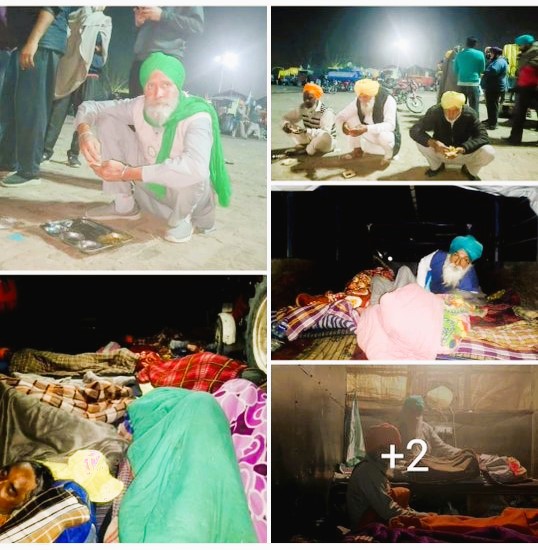
The impending “Chalo Delhi” march, organized by farmers from Punjab, Haryana, and Uttar Pradesh, underscores the persistence of their demands, chiefly the legal guarantee of the minimum support price (MSP) for crops. Despite inconclusive talks with Union ministers, the farmers remain unwavering in their commitment to the cause, setting the stage for a crucial standoff in Delhi. This article delves into the dynamics, demands, and security measures surrounding the protest, shedding light on the multifaceted aspects of the farmers’ movement.

The ongoing farmers’ protests in India have brought the Minimum Support Price (MSP) debate to the forefront, highlighting the complexities surrounding its legal enforcement. While the government has agreed to provide written assurances of MSP, farmers remain sceptical, emphasizing the need for legal support. This article delves into the intricacies of MSP, its costs, benefits, and the challenges associated with making it a legal entitlement.
Farmers, led by figures like Rakesh Tikait, have presented a list of demands, with legal support for MSP being a focal point. The crux of the farmers’ demands revolves around securing a legal guarantee for MSP across all crops. However, the government’s hesitations, rooted in concerns over global prices, procurement strain, export competitiveness, and central expenditure, add complexity to the negotiations.
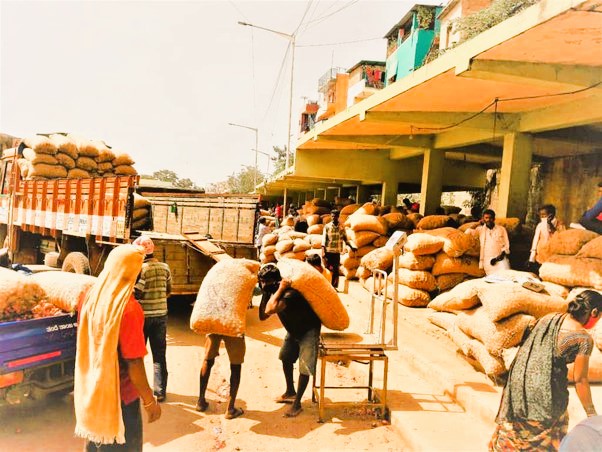
Addressing supply chain and infrastructure challenges necessitates the involvement of major private players like Reliance, ITC, Tata, and Nestle. The new farm laws aim to facilitate private investment in agriculture, but compelling them to adhere to MSP even when demand is low could deter their participation. Private entities, being profit-driven, require market flexibility and cannot be forced into purchasing produce at MSP levels that don’t align with market demand.
The existing MSP guarantee covers only 23 crops, leaving more than half of the farming sector without its benefits. Moreover, the current MSP benefits primarily large farmers, raising concerns about inequality. The annual expenditure on the agriculture sector, including MSP, subsidies, and imports, already surpasses $100-110 billion. With the addition of MSP guarantees, this figure could escalate beyond $200 billion, posing a financial challenge for the Indian government.
Navigating the MSP conundrum requires a balanced approach. While ensuring the welfare of farmers is crucial, the legal enforcement of MSP needs to consider fiscal realities, market dynamics, and the potential impact on private participation. Striking this balance is essential for sustainable agricultural growth and the overall economic well-being of the nation. One of the objectives of the farm laws was to cut out middlemen and streamline the agricultural supply chain. Legalizing MSP might reintroduce middlemen, as they could exploit the legal obligation of the government to purchase crops at MSP.
Advocates for the new farm laws argue for a 100% open free market, allowing farmers the freedom to grow and sell their produce without MSP constraints. Encouraging contract farming with private entities can pave the way for mutually beneficial agreements. The laws already incorporate safeguards to protect farmers’ land rights. As farmers converge on Delhi for the ‘Dilli Chalo’ march, the resolution of this standoff will shape the trajectory of the farmers’ movement, underscoring the urgency for addressing their demands and upholding promises made by the government.
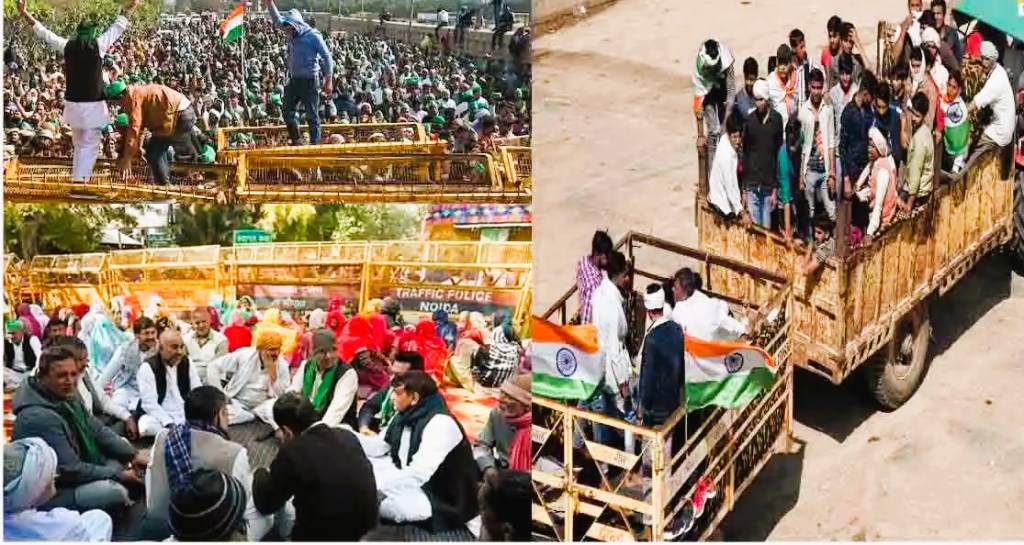
The ‘Dilli Chalo’ march emerges as a pivotal moment in the struggle for farmers’ rights and fair treatment. The farmers’ protests and their demand for legal MSP underscore the need for a nuanced policy approach. While the government’s assurance of MSP is a step forward, the legal implications raise valid concerns. It is essential for policymakers to carefully consider the economic, logistical, and market dynamics before making MSP a legal entitlement. Striking the right balance will not only address the immediate concerns of the farmers but also contribute to the long-term prosperity and sustainability of the agricultural sector in India.
Visit arjasrikanth.in / @DrArjasreekanth for more insights
 SOCIAL PERSPECTIVES