
India witnesses a remarkable increase in power demand, capacity addition, and renewable energy sources, transforming the nation’s electricity market.
In recent years, the Power Sector has embarked on a path of modernizing the nation’s electricity market and promoting sustainable energy sources. The Sector has taken up significant steps taken to meet the growing power demand and enhance the country’s energy infrastructure. This article explores the remarkable progress made in the power sector, the increase in power demand, the addition of renewable energy capacity, and the measures implemented to ensure viability and sustainability.
During the last Decade, the power demand in India has witnessed a staggering increase of 50.8 percent in energy terms. The peak demand has surged from 135,918 MW in 2013-14 to a remarkable 243,271 MW in September 2023. Such a substantial increase in demand necessitated the addition of capacity to ensure uninterrupted power supply.

To meet the growing demand, the Sector has successfully added 196,558 MW of capacity during last Decade, out of which 104,059 MW is from renewable energy sources. This includes solar, wind, biomass, and small hydropower projects. The total renewable energy capacity in India, excluding large hydro, stands at an impressive 180,800 MW, with an additional 103,660 MW under installation.
The power generation figures for the last three years and the current year (till December 2023) showcase the significant contribution of various fuel sources. Thermal power, primarily coal and natural gas, continues to dominate the energy mix. However, renewable energy sources, excluding large hydro, have witnessed substantial growth, contributing to the overall energy transition.
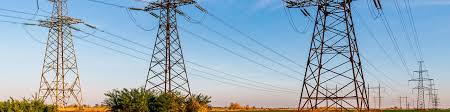
To accommodate the substantial capacity addition, the Sector has planned and added 1,89,052 circuit kilometres (ckm) of transmission lines during the Last Decade. This extensive transmission network connects the entire country into one grid running on a unified frequency, capable of transferring 1,16,540 MW across the nation. This integration has further strengthened the national power market.
Recognizing the importance of renewable energy, India has introduced new products in the Exchange for Renewable Energy. The Green Day Ahead Market and the Green Term Ahead Market provide a platform for efficient trading and scheduling of renewable energy. These initiatives have contributed to India’s position as one of the fastest-growing renewable energy capacities in the world.
The Sector has made concerted efforts to ensure the viability and sustainability of the power sector. The Aggregate Technical and Commercial (AT&C) losses have significantly reduced from 25.72% to 15.40% in the last decade . Prompt payment of dues to power generation companies (Gencos) and the reduction of legacy dues have improved the financial health of the sector. Additionally, measures such as energy accounting, merit order dispatch, and stringent tariff regulations have been implemented to streamline operations and reduce losses.
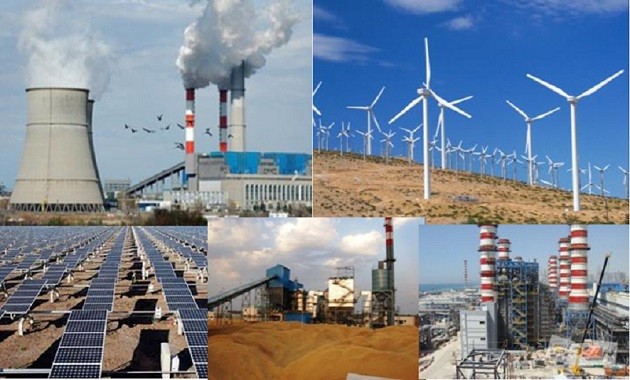
The modernization of India’s electricity market and the promotion of renewable energy sources have brought about significant transformations in the power sector. The increase in power demand, capacity addition, and the integration of renewable energy have propelled India into becoming a favoured destination for investment in renewables. The Sectors efforts to enhance transmission infrastructure, introduce green energy initiatives, and ensure the viability of the power sector are commendable. As India continues its journey towards a sustainable and robust power sector, it sets an inspiring example for other nations to follow.
visit arjasrikanth.in / @DrArjasreekanth for more insights
 SOCIAL PERSPECTIVES