National Highways in India: Paving the Way for Prosperity

India, with its vast and diverse landscape, demands a well-connected and efficient transportation system to propel economic growth. At the heart of this intricate web are the National Highways, meticulously crafted and maintained by the National Highways Authority of India (NHAI) and the National Highways and Infrastructure Development Corporation Limited (NHIDCL). As we celebrate the Foundation Day of National Highways on February 10, it’s an opportune moment to reflect on the pivotal role these thoroughfares play in shaping the nation’s progress.
National highways, often termed as the arteries of India, intricately connect the country’s diverse regions, facilitating the smooth movement of goods and people. Operating under the Ministry of Road Transport and Highways, NHAI and NHIDCL contribute significantly to economic and social development. Despite constituting only 2% of the total road network, these highways bear the substantial load of over 40% of the country’s total traffic, showcasing their indispensable role in fostering growth.
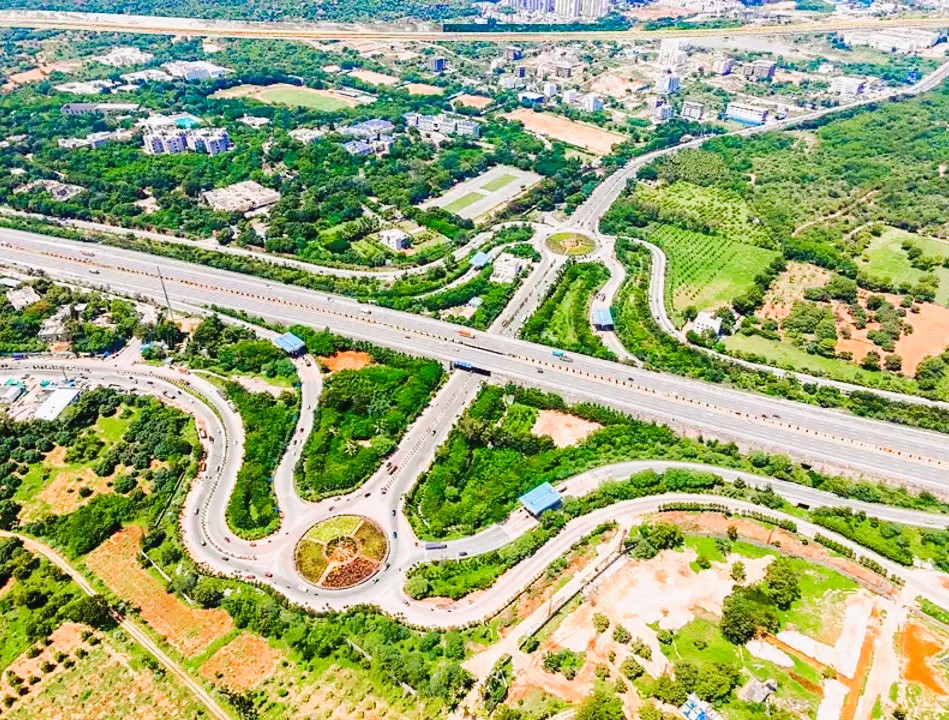
A crowning jewel in India’s highway network is National Highway 44 (NH 44), an impressive stretch covering 4,112 kilometres from Srinagar to Kanyakumari. Holding the title of the longest national highway, it forms the North-South Corridor, seamlessly connecting major cities and regions. This monumental infrastructure not only enhances regional connectivity but also symbolizes the unity and integration of the nation.
At the forefront of India’s highway development stands NHAI, orchestrating transformative projects such as the National Highways Development Project (NHDP) and the Bharatmala Pariyojana. These initiatives focus on expanding and upgrading the highway network, aiming to enhance connectivity, reduce travel times, and propel economic development. The commitment to modern infrastructure is further exemplified by projects like the Mumbai–Pune Expressway, India’s first 6-lane concrete, access-controlled tolled expressway, officially named the Yashwantrao Chavan Expressway. This pioneering project has significantly influenced and elevated India’s highway landscape.
National highways in India transcend mere connectivity, embodying a trifecta of speed, safety, and comfort. These well-constructed thoroughfares not only facilitate efficient travel but also act as catalysts for economic growth, positioning themselves as the backbone of India’s transportation infrastructure. With higher speed limits ranging from 80 to 100 kmph, national highways prioritize efficiency compared to state highways with limits of 60 to 80 kmph.

NHAI, a key player in the financial sustenance of national highways, generates substantial revenue through toll collection. With an average monthly collection exceeding Rs 3,841 crore in 2022-23, tolls contribute significantly to the maintenance and safety of national highways. Toll collection serves a dual purpose of recovering construction costs and funding ongoing maintenance. Once the initial investment is recouped, toll fees are often reduced but remain critical for sustaining road infrastructure in optimal condition.
The NHAI Act, 1988, lays the legislative foundation for the establishment of an authority dedicated to the development, maintenance, and management of national highways. Its key provisions include the constitution of the NHAI, its scope and applicability across the nation, and its commencement on a date determined by the Central Government.

Major projects like the National Highways Development Project (NHDP) and the Bharatmala Pariyojana showcase NHAI’s commitment to expanding and enhancing the national highway network. The introduction of guidelines such as the FASTag 10-Second Rule ensures faster movement at toll plazas, reduced travel time, and enhanced road safety. While the cost of FASTag varies, platforms like Park+ offer an affordable option at INR 100. NHAI’s debt, reaching Rs 3.44 lakh crore by January 2022, is a concern being addressed with efforts to reduce it to Rs 1 lakh crore by 2024-25, emphasizing financial sustainability.
On the foundation day of National Highways on February 10, it is essential to acknowledge the monumental contribution of these roadways to India’s growth story. Serving as the lifeline of the nation, national highways are not just roads; they are the conduits of economic prosperity, regional connectivity, and social development. As we extend greetings to every member of the National Highways family, let us celebrate the unwavering commitment to building a brighter and well-connected future for India. Happy Foundation Day, National Highways!

In conclusion, National Highways in India stand as testaments to the nation’s commitment to a robust transportation network. These lifelines intricately weave through the diverse landscapes, connecting regions and fostering economic growth. NHAI and NHIDCL play pivotal roles in crafting and maintaining these arteries, ensuring their efficiency and sustainability. As we celebrate their Foundation Day, it’s not just about acknowledging the concrete and asphalt but recognizing the pathways to progress, unity, and prosperity that these highways represent. National Highways are more than just roads; they are the pulsating veins of India’s development, carrying the lifeblood of growth and connectivity. Here’s to the highways that continue to pave the way for India’s journey towards greatness. Happy Foundation Day to our National Highways!
visit arjasrikanth.in / @DrArjasreekanth for more insights
 SOCIAL PERSPECTIVES