“The Political Saga of Delhi’s Slums: Battle for Survival and Votes”
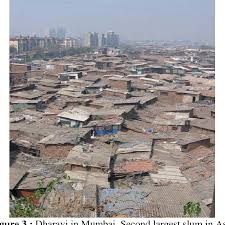
In the bustling metropolis of Delhi, where towering skyscrapers adorn the skyline and luxury cars glide through the streets, lies a stark reality hidden amidst the glamour and grandeur – the sprawling slums that house a significant portion of the city’s populace. As the political landscape gears up for the upcoming Lok Sabha elections, these slums have emerged as a crucial focus for both the Bharatiya Janata Party (BJP), Aam Admi Party (AAP) and Congress This battleground of colonies, however, is not just about securing votes; it’s a battle for survival, dignity, and a better future.
The significance of the Delhi slums cannot be overstated. They hold within their narrow alleys and makeshift homes a substantial voter base, whose voices often echo louder than the clinks of glass in posh banquet halls. For decades, discussions surrounding these slums have revolved around the provision of basic amenities – from access to clean water and sanitation to the long-standing demand for property rights in authorized colonies. Yet, despite the perennial promises made by successive governments, the reality on the ground remains bleak.
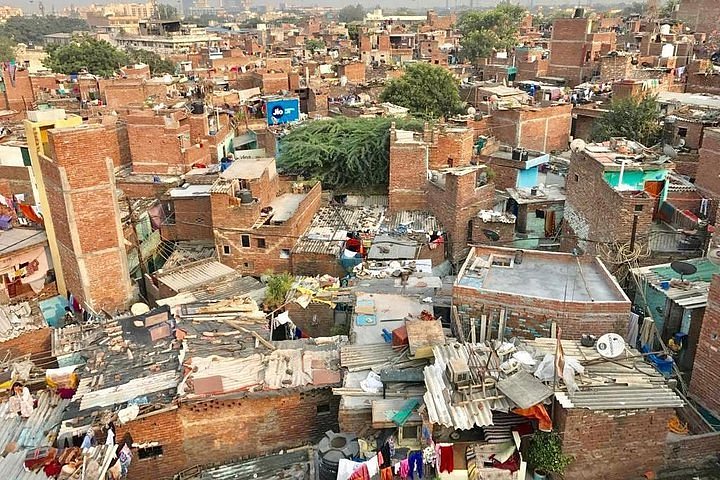
Delhi, like many cities in low-income countries, has a significant slum population. In 2001, around 20 percent of Delhi’s population were slum-dwellers. Recent estimates suggest this number has surged to as high as 50 percent. The city has 675 slum clusters, with approximately 15.5 lakh residents. One notable slum is Kusumpur Pahari, the largest in New Delhi, home to over 10,000 slums. Lalbagh near Azadpur holds the title of Delhi’s largest slum, accommodating over 3 lakhs in just one square kilometer. About 74.46% of slums are surrounded by residential areas, and slum redevelopment initiatives have been undertaken by the government. The phenomenon of people living in slums is often attributed to poverty and the inability to afford proper housing, while some choose this lifestyle to facilitate their businesses.
Recent months have witnessed a wave of demolitions sweeping across the city, leaving in their wake a trail of rubble and despair. These demolitions, ostensibly aimed at clearing unauthorized constructions on government land, have spared neither slum dwellers nor residents of other areas. While some colonies enjoy legal protection under court orders or government policies, others find themselves at the mercy of bulldozers operated by multiple agencies, including the Municipal Corporation of Delhi (MCD), Public Works Department (PWD), Railways, and Delhi Development Authority (DDA).
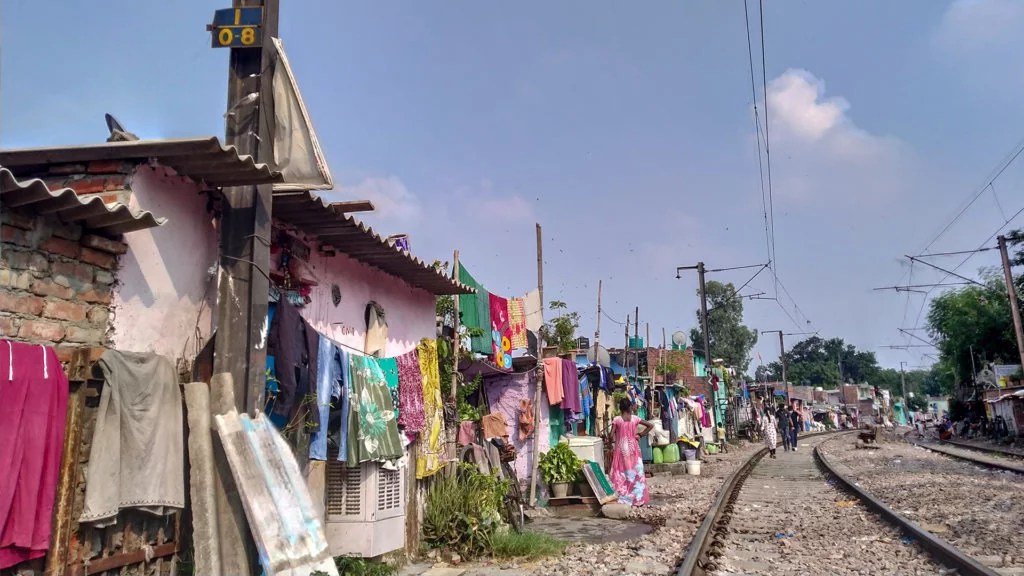
Amidst the debris of broken homes and shattered dreams, a blame game ensues between political adversaries. The BJP, quick to deflect responsibility, asserts that since it lacks ownership of the land, it cannot be held accountable for the demolitions. Instead, fingers are pointed towards the central Government and the Delhi Government. Conversely, the Central Government shifts the onus onto the Delhi government, accusing it of failing to effectively implement schemes like the Pradhan Mantri Awas Yojana, which aims to provide affordable housing to the underprivileged.
The repercussions of these demolitions extend far beyond the physical destruction of property. They strike at the very heart of the marginalized communities, exacerbating their already precarious existence. A survey conducted during the 2020 assembly elections revealed a disconcerting reality – despite the electoral triumphs, the poorest segments of Delhi’s population, comprising a significant portion of slum dwellers, continued to languish in poverty. However, the promise of redevelopment projects in lieu of demolished slums seemed to sway their allegiance towards the ruling party.

Indeed, the political parties have spared no effort in showcasing its purported development initiatives in these areas, from ambitious redevelopment projects to centralized schemes offering subsidized utilities and transportation benefits. Yet, amidst the rhetoric of progress and prosperity, a glaring gap remains – the disconnect between promises made and promises kept. Critics argue that the benefits of these schemes seldom trickle down to the intended beneficiaries, as bureaucratic hurdles and administrative inefficiencies often hinder their implementation at the grassroots level.
As the political jousting intensifies and election rhetoric reaches a crescendo, the battle for the slums of Delhi transcends mere electoral arithmetic. It symbolizes a struggle for dignity, equality, and social justice – values that lie at the core of democratic governance. For the residents of these marginalized colonies, the stakes couldn’t be higher. They yearn not just for the hollow promises of politicians, but for tangible improvements in their quality of life – access to education, healthcare, and livelihood opportunities that have long eluded them.
In conclusion, the saga of Delhi’s slums epitomizes the inherent contradictions of Indian democracy – the stark dichotomy between promise and reality, rhetoric and action. As the political machinery grinds into motion, it’s imperative to remember that behind every vote cast lies a story of resilience, of individuals grappling with the harsh realities of urban poverty. The battle for the slums of Delhi is not merely about securing electoral victories; it’s about acknowledging the humanity, dignity, and aspirations of those who call these neglected colonies their home. Only when their voices are heard, and their concerns addressed, can the true spirit of democracy be realized in the labyrinthine lanes of Delhi’s slums.
visit arjasrikanth.in / @DrArjasreekanth for more insights
 SOCIAL PERSPECTIVES