The Architect of Modern India – Unveiling the Silent Genius of P.V. Narasimha Rao
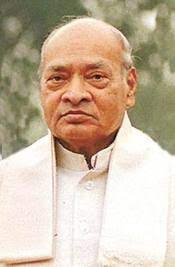
Pamulaparthi Venkata Narasimha Rao, affectionately known as P.V. Narasimha Rao, assumed office as the 9th Prime Minister of India in 1991 during a critical juncture in the nation’s history. His leadership, often characterized by a profound silence, spoke volumes through the transformative economic reforms that shaped modern India. This article explores the political career and achievements of this silent genius, shedding light on the pivotal role he played in India’s resurgence.
P.V. Narasimha Rao, known as a silent architect of modern India, stands as a towering figure in the nation’s political history. As Prime Minister from 1991 to 1996, Rao orchestrated a series of economic reforms that revitalized India’s stagnant economy.
At the heart of Rao’s legacy lies his resolute commitment to economic reform. He confronted the stifling bureaucracy of the license raj, which had long impeded India’s economic growth. Rao’s strategic vision entailed a reduction in industrial licensing requirements and the relaxation of restrictions on foreign direct investment (FDI), unleashing India’s economic potential and fostering an environment conducive to competition and innovation.
Under Rao’s stewardship, India embraced globalization by reducing import tariffs and dismantling trade barriers, attracting foreign investment and propelling the nation onto the global economic stage. The depreciation of the Indian rupee and the introduction of the Liberalized Exchange Rate Management System (LERMS) further enhanced export competitiveness, fostering a more dynamic economic landscape driven by market forces.
Rao’s government initiated ground breaking privatization and disinvestment measures, signalling a departure from the previously entrenched state-centric economic model. These reforms aimed to encourage private sector participation, alleviate the burden on government finances, and stimulate economic growth. Simultaneously, banking sector reforms promoted transparency, competition, and accountability, laying the foundation for a robust financial system.
In response to the 1991 economic crisis, Rao prioritized fiscal responsibility to stabilize the economy and restore investor confidence. His prudent management of public finances became a hallmark of his administration, setting the stage for sustainable economic growth.
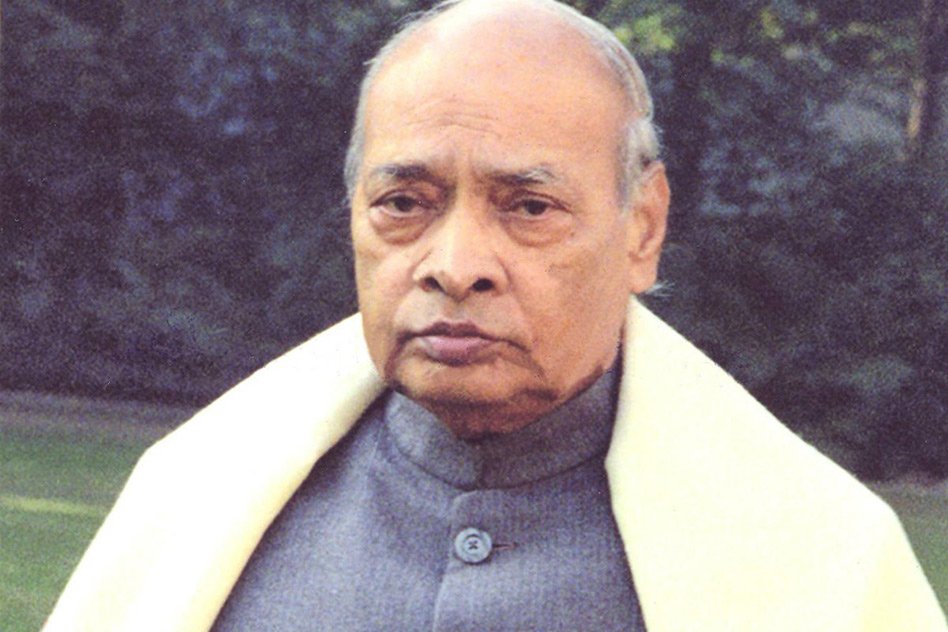
Rao’s government also spearheaded reforms in the telecommunications sector, catalysing the rapid expansion of telecommunication services. The New Telecom Policy of 1994, designed to encourage private investment, revolutionized India’s telecommunications landscape, ushering in an era of connectivity and digital transformation.
Beyond economics, Rao’s reforms had profound social implications, contributing to poverty reduction and job creation. This holistic approach underscored the multifaceted nature of his economic vision, prioritizing inclusive growth alongside economic prosperity.
Critics argue that Rao’s cautious approach to economic liberalization hindered the pace of reforms. However, his nuanced strategy allowed for the careful navigation of complex political landscapes, ensuring stability amid change.
While some inconsistencies were observed in economic policies, Rao’s adaptability and responsiveness to evolving circumstances mitigated potential setbacks. His leadership underscores the necessity of consistency and coherence in policy direction for building and maintaining investor confidence.
Criticism for missed opportunities highlights the complexity of the political and societal landscape Rao navigated. His tenure serves as a reminder of the delicate balance required in Indian politics, where every decision is subject to multifaceted scrutiny.
P.V. Narasimha Rao’s leadership provides invaluable lessons for contemporary and future policymakers. His emphasis on bold, full-hearted reforms highlights the transformative power of resolute decision-making. Moreover, his adaptability and learning-oriented mindset underscore the importance of responsiveness and continuous refinement in policy formulation.
In conclusion, P.V. Narasimha Rao’s silent revolution remains a beacon of inspiration for India’s contemporary political landscape. His visionary economic reforms laid the foundation for the country’s integration into the global economy. Today, as every Indian takes pride in honouring him with the Bharat Ratna, it is a recognition well-deserved for the man who, through his silence, spoke volumes and shaped the destiny of a nation.
visit arjasrikanth.in / @DrArjasreekanth for more insights
 SOCIAL PERSPECTIVES