“A deep dive into the allocation of funds and its impact on Mumbai’s civic infrastructure”
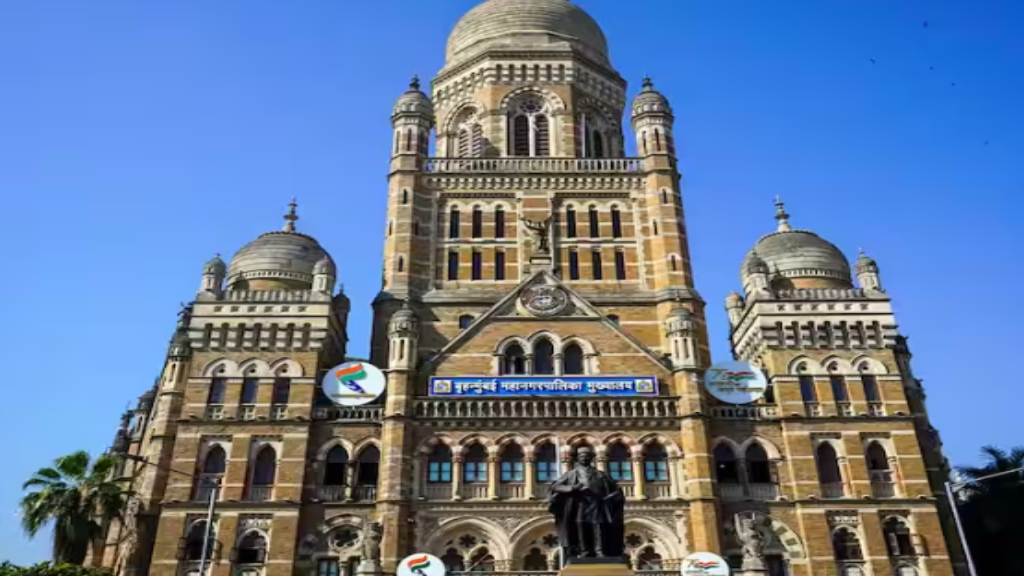
In recent years, the disbursement of funds in Mumbai’s Municipal Corporation, the BMC, has become a topic of controversy and concern. The delay in conducting elections for the BMC has left the opposition parties at a significant disadvantage, as the ruling government has adopted an alternative system where funds for development and civic work are being given to MLAs. This departure from the traditional practice has raised questions about fair governance, transparency, and equitable development in the city.
The civic elections for the BMC took place in 2017, and according to the five-year term, it should have ended in March 2022. However, the ruling NDA coalition has cited pending petitions before the Supreme Court regarding the issue of OBC quotas in the civic bodies as the reason for the delay. This delay has caused frustration among the opposition parties and the citizens of Mumbai, as they are left without elected representatives to address their concerns and allocate funds for essential civic works.
The alternative funding system implemented by the state government has further exacerbated the situation. Instead of elected councillors, MLAs are now responsible for accessing and utilizing funds for development and civic work in their respective constituencies. The BMC passed a resolution in February 2020, earmarking a fund of 1260 crores to be distributed among the 36 MLAs in Mumbai. Each MLA is eligible to draw a maximum of 35 crores from this fund.
However, an investigation revealed a startling revelation. It was found that only MLAs from the ruling government, a total of 21 MLAs, have received these funds. The documents accessed through an RTI application showed that 15 MLAs were from the BJP, and six were from the Shiv Sena. There was no record of any opposition MLAs receiving funds through this system.
The procedure for fund allocation raises further concerns about transparency and fairness. To access the funds, each MLA is required to write to the respective guardian minister of Mumbai, who then recommends the application to the BMC Commissioner. The commissioner must approve the recommendation for the funds to be disbursed. However, the documents obtained did not have any record of opposition MLAs’ requests, suggesting that they may not have sought funds through this system or that their requests were intentionally overlooked.
The impact of this controversial disbursement of funds is felt in the civic works and infrastructure development in Mumbai. The allocated funds were intended to be used for essential projects such as solid waste management, road repairs, sewage works, beautification, and upgrading public spaces. MLAs from the ruling government have been able to utilize these funds for their constituencies, addressing the needs and concerns of their constituents. However, the lack of funds for opposition MLAs hampers their ability to address the civic issues faced by their constituents, leading to a disparity in the development and infrastructure across different areas of the city.
In addition to the allocation of funds to MLAs, the investigation also revealed the controversial allocation of contingency funds. Out of the 227 wards in Mumbai, only 31 wards received funding, and an astonishing pattern emerged. Among the 30 wards whose corporators received funding, 30 had switched from opposition parties to the ruling Shiv Sena, while one was from the ruling BJP. This pattern suggests favouritism based on political allegiances, raising serious concerns about the impartiality and integrity of the fund allocation process.
The delay in conducting elections and the controversial disbursement of funds in Mumbai’s municipal corporation have raised significant concerns among the citizens of Mumbai. The lack of elected councillors has severed the vital link between the administration and the common people, leaving them without a voice in decision-making and fund allocation processes. This lack of representation and transparency undermines the principles of democracy and equitable development.
Opposition leaders and MLAs have taken up this issue aggressively, voicing their concerns and demanding accountability from the ruling government. They have held press conferences, participated in news debates, and called out the government for their discriminatory practices. However, the ruling government has remained silent on the matter, failing to address the concerns raised by the investigation.

The concerns for the citizens of Mumbai are significant. Those living in opposition areas may face a disadvantage in accessing basic facilities and infrastructure development. It appears that there is a possibility of discrimination based on political affiliations, where areas represented by opposition MLAs may not receive the same level of funding and attention as those represented by MLAs from the ruling government. This unequal distribution of funds raises questions about the fairness and integrity of the system, and the impact it has on the well-being and quality of life of the citizens.
In conclusion, the controversial disbursement of funds in Mumbai’s municipal corporation highlights the need for transparency, equal distribution of funds, and fair representation in the governance of the city.
visit arjasrikanth.in / @DrArjasreekanth for more insights
 SOCIAL PERSPECTIVES