Balancing Bureaucracy and Ecology – The Call for Specialized Environmental Stewardship
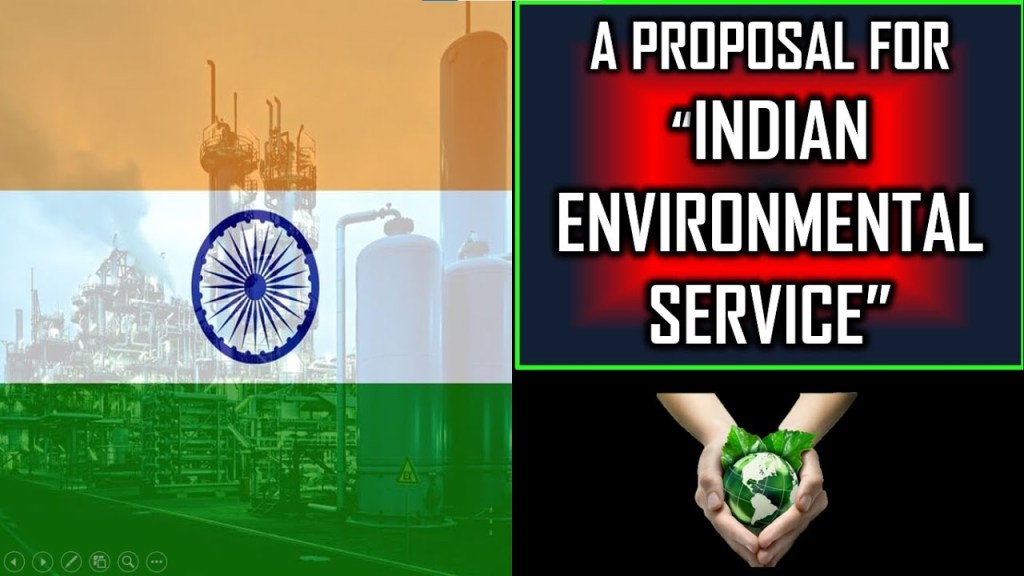
In the pursuit of a sustainable and ecologically conscious future, the establishment of the Indian Environment Service (IES) has emerged as a critical discourse. Rooted in the recommendations of the TSR Subramanian Committee, the IES promises a paradigm shift in environmental governance. This article unravels the historical context, legal intricacies, and the imperative need for an IES to harmonize administrative efficiency with environmental stewardship.
The journey towards an IES began in 2014 when the TSR Subramanian Committee recognized the strengths of India’s environmental policy but identified weak implementation. The Committee’s visionary report advocated for a dedicated IES, an All India Service, to bridge the gaps in managing environmental issues. Fast forward to today, the Supreme Court scrutinizes the government’s response to this call for specialized environmental governance.
The fundamental premise of the proposed IES is to inject specialized expertise and sensitivity into environmental governance. The current mechanisms, deemed quasi-amateurish, require a dedicated cadre of professionals. The envisioned IES, acting as an expert group, aims to ensure optimal management of environmental issues over the long term.
Lawyer Samar Vijay Singh’s petition, currently under the Supreme Court’s scrutiny, echoes the Subramanian Committee’s call for an IES. The petition underscores the challenges faced by existing government servants in allocating specialized time for environmental causes. The Supreme Court, after initial scepticism, issues notices, emphasizing the need to inquire into the government’s intentions regarding the IES.
The Subramanian Committee’s recommendations faced opposition from a parliamentary standing committee, citing the inadequate three-month review period. Despite this setback, the petition draws strength from the Subramanian report, highlighting the potential of officers with environmental science backgrounds to offer more effective solutions.
As the Supreme Court evaluates the petition, the prospect of an IES takes centre stage. The envisioned service could play a pivotal role in addressing the gaps in environmental governance, bringing scientific expertise cane to the forefront. The ongoing legal discourse raises questions about the government’s commitment to implementing the recommendations and underscores the importance of balancing bureaucratic efficiency with environmental stewardship.

The creation of an Indian Environment Service stands at the intersection of administrative reforms and environmental conservation. As the legal journey unfolds, the nation awaits clarity on whether the government will heed the call for a dedicated cadre equipped to tackle the nuanced challenges of environmental governance. The pursuit of an IES reflects a collective aspiration for a sustainable and ecologically conscious future. In the delicate dance between bureaucracy and ecology, the establishment of the IES may well be the harmonious step needed for a greener and more resilient India.
visit arjasrikanth.in / @DrArjasreekanth for more insights
 SOCIAL PERSPECTIVES