Paytm’s Rollercoaster Ride: The Ascent, Controversies, and Regulatory Roadblocks”
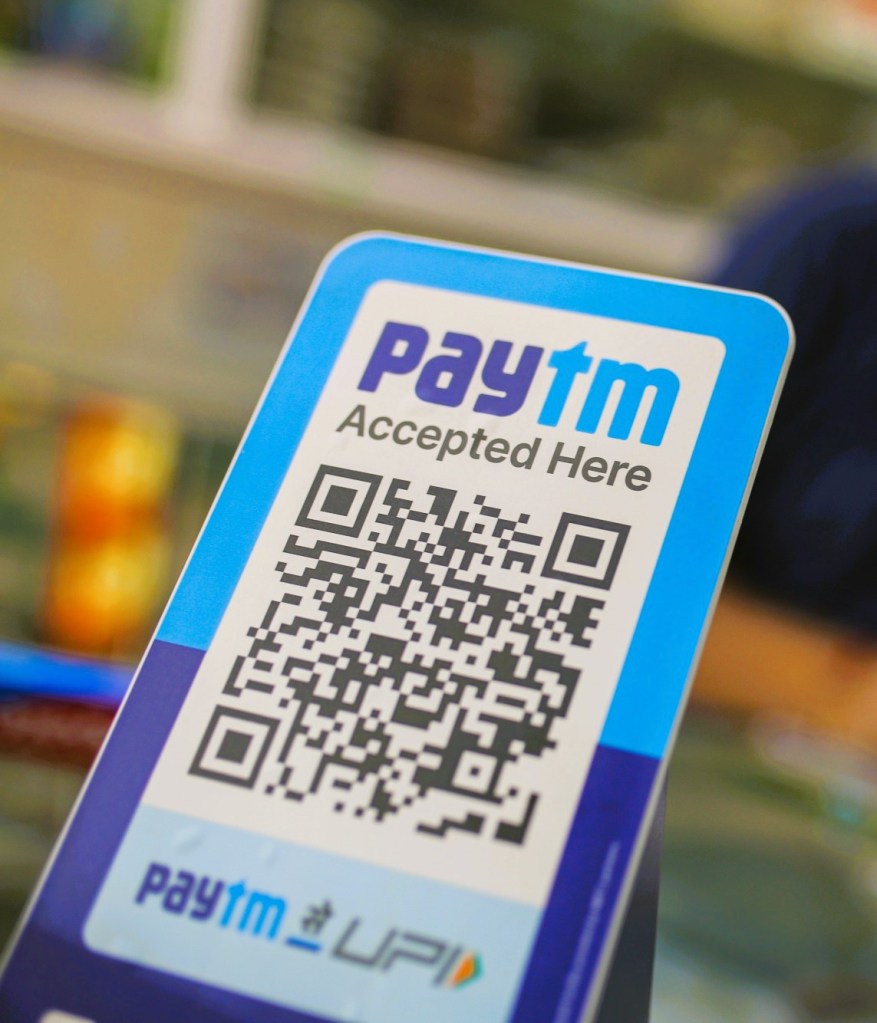
In the fast-paced world of digital payments, Paytm, a once-thriving Indian fintech giant, has encountered a rollercoaster ride marked by unprecedented highs and alarming lows. This article delves into the rise and fall of Paytm, examining its controversies, regulatory challenges, and the current state of the company in the ever-evolving landscape of India’s digital economy.
Founded in 2010 by Vijay Shekhar Sharma under One97 Communications, Paytm quickly rose to prominence as a digital payments and financial services company. Its innovative approach to mobile-based transactions earned it the trust of millions, becoming synonymous with seamless and convenient payments in India.
Despite its success, Paytm found itself embroiled in a series of controversies that shook its reputation. One notable incident involved the company blocking transactions to certain merchants without explanation, sparking accusations of censorship. Another controversy arose from Paytm offering individual users a referral bonus, later deemed a violation of Indian tax laws. Issues with customer service and concerns about data privacy added to the company’s challenges.
The Reserve Bank of India (RBI) recently took a drastic step by imposing restrictions on Paytm Payments Bank, barring it from offering incremental banking services effective March 2024. The central bank cited concerns about breaches of and non-compliance with regulatory norms as the primary reasons behind this move. Paytm’s journey from being a digital payments pioneer to facing regulatory roadblocks raises questions about its adherence to compliance standards.
In a surprising turn of events, Paytm faced a decline in its payment services, with users experiencing transaction rejections. Reasons for these declines range from incorrect UPI IDs to issues with linked mobile numbers. The company also encountered challenges on the financial front, with estimates suggesting a significant revenue loss in its lending business.
The RBI’s actions escalated when it directed Paytm Payments Bank to stop onboarding new customers in March 2022. The regulatory authority further ordered the cessation of all banking services, including accepting deposits and processing payments, effective February 29, 2024. Unlike financial troubles, this directive was rooted in a two-year-old problem, emphasizing the importance of regulatory compliance.
Paytm’s stock faced a significant plunge, raising concerns about its performance in the market. The failure of the initial public offering (IPO) added to the company’s challenges. The stock’s poor performance was attributed to minimal interest from retail and high-net-worth investors, signaling a loss of investor confidence.
A critical aspect of Paytm’s journey is its ownership structure. Vijay Shekhar Sharma, the founder, holds the majority share, but a notable 13.5% is owned by Antfin, an affiliate of China’s Ant Group Co. The influence of Chinese shareholding adds a layer of complexity to Paytm’s narrative, especially considering the evolving geopolitical landscape.

As Paytm navigates the regulatory storm and financial challenges, it stands at a crossroads that will determine its future in India’s dynamic fintech sector. The controversies, regulatory scrutiny, and declining market performance have cast a shadow on its once-dominant position. Whether Paytm can reinvent itself, address regulatory concerns, and regain user trust remains uncertain. The journey from digital payment pioneer to regulatory crossroads serves as a cautionary tale for companies operating in the ever-evolving digital landscape, emphasizing the delicate balance between innovation, compliance, and customer trust.
visit arjasrikanth.in/@DrArjasreekanth for more insights
 SOCIAL PERSPECTIVES