The challenges faced by Tata Steel and ArcelorMittal highlight the complex interplay between environmental concerns, economic viability, and the future of steel production in the UK and Italy.
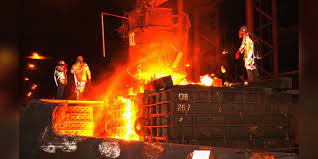
In the ever-evolving landscape of industry, the steel production sector stands as a crucible of challenges and controversies. At the forefront of this unfolding saga are two Indian steel giants – Tata Steel and ArcelorMittal – whose operations in the UK and Italy exemplify the intricate dance between environmental concerns, economic viability, and the future trajectory of steel production. As the global steel industry faces unprecedented scrutiny over its environmental impact and sustainability practices, the struggles of Tata Steel and ArcelorMittal take centre stage, prompting profound introspection on the direction of steelmaking in the 21st century.
Tata Steel, a towering presence in the industry, has captured headlines with its bold decision to close two coal-fired blast furnaces at its Welsh steelworks. This strategic shift, aimed at transitioning to greener and more cost-effective steelmaking, comes at a significant human cost – nearly 3,000 workers are set to lose their jobs by the end of 2024. While Tata Steel emphasizes the necessity of these measures for long-term sustainability, a wave of worker unrest, union discontent, and political backlash has become a significant hurdle in their path.

The company’s vision unfolds a narrative of change – a shift towards electric arc furnaces, promising lower emissions and a reduced carbon footprint. Tata Steel’s ambitious plan includes a substantial investment in modernizing its facilities, with the audacious goal of transforming the Port Talbot facility into a premier center for green steelmaking in Europe. Despite the short-term pain inflicted by job losses, Tata Steel remains committed to reshaping the narrative of steel production in the UK.
Across the Mediterranean, ArcelorMittal’s steel plant in Taranto, Italy, grapples with a distinct yet equally formidable set of challenges. Accusations of emitting cancer-causing chemicals and the burden of significant debts have pushed the plant to the brink. An Italian court’s decision to permit the suspension of gas supply to the Mittal plant has escalated the crisis, creating a perfect storm of environmental and economic concerns.
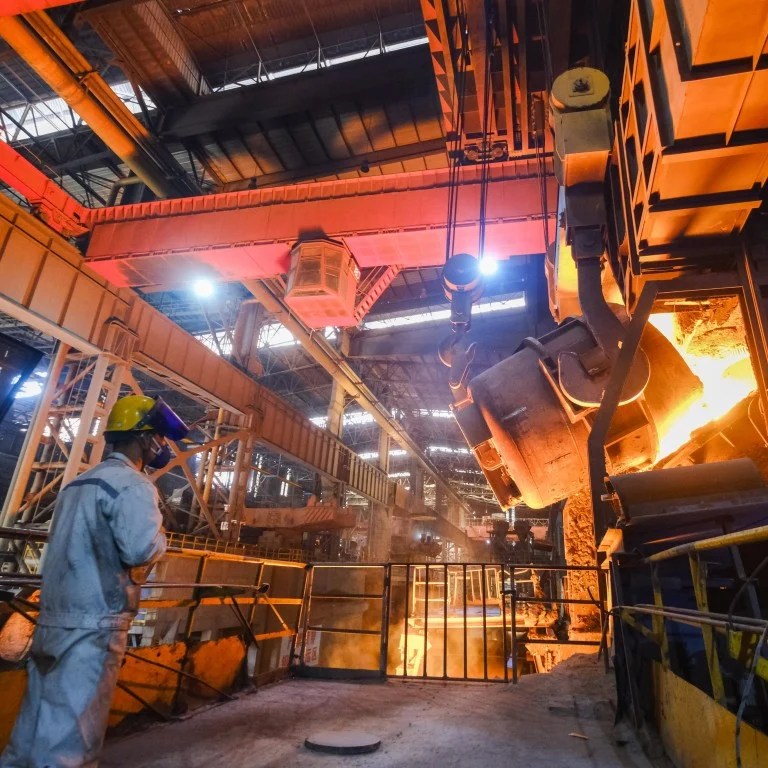
In a bid to avert an economic catastrophe and mass unemployment, the Italian government is contemplating a takeover of the Taranto plant. With debts totalling $200 million and environmental allegations looming large, ArcelorMittal’s operation in Italy hangs in the balance. The situation underscores the delicate equilibrium between economic imperatives and environmental responsibilities, echoing the challenges faced by steel producers globally.
ArcelorMittal’s struggles in Italy are not isolated incidents. The steel giant has been grappling with financial concerns, marked by record-low production of around 3 million mt of crude steel in 2023 at its Taranto mill, well below the estimated breakeven point of 6 million mt. This financial strain adds an extra layer of complexity to the environmental and economic challenges the company faces.
Both Tata Steel and ArcelorMittal find themselves at the crossroads, navigating the intricate web of economic viability and environmental responsibility. Tata Steel’s commitment to invest 1.25 billion pounds sterling, with a significant government contribution, signals a bold step towards greener steelmaking. The shift towards electric arc furnaces aligns with global efforts to reduce carbon emissions and embrace sustainable practices.
In stark contrast, ArcelorMittal’s struggles in Italy emphasize the paramount importance of upholding environmental standards in heavy industries. The potential government takeover serves as a stark reminder that regulatory compliance and corporate responsibility are non-negotiable, even for industry giants.
The closure of Tata Steel’s blast furnaces in the UK has sent shockwaves through the nation, prompting anxieties among workers, unions, and politicians. Accusations labeling it “industrial vandalism on a grand scale” have ignited fervent calls to retain at least one operational blast furnace during the upgrade. This clash between economic strategies and worker livelihoods illuminates the intricate challenges of managing transitions in heavy industries. Concerns extend beyond the immediate workforce, reaching into the heart of the UK’s economy and employment landscape. As the country’s second-largest steelmaker, Tata Steel employs approximately 15,000 individuals directly. While the closure is anticipated to bring cost savings, it may usher in job cuts and a decline in steel production, posing broader ramifications for both the UK’s steel sector and the global steel market.
In Italy, the fate of ArcelorMittal’s Taranto plant has become a focal point for the government’s delicate balancing act between economic intervention and environmental considerations. The demand for a “drastic intervention” to save the steel plant reflects the intricate dance between economic imperatives and environmental consciousness.

The challenges faced by Tata Steel and ArcelorMittal in the UK and Italy serve as poignant reminders of the broader issues confronting the global steel industry. Striking the delicate balance between economic imperatives and environmental sustainability is an intricate dance, one that demands innovative solutions and collaborative efforts.
As these steel giants navigate the uncertain terrain ahead, the outcomes of their struggles will undoubtedly shape the future trajectory of steelmaking. The industry, long associated with its carbon footprint, must rise to the challenge and lead the way toward a cleaner, brighter tomorrow. The narratives of Tata Steel and ArcelorMittal underscore the need for a nuanced approach that considers not only the environmental impact but also the livelihoods of those dependent on the steel sector.
The future of steel production hinges on the industry’s commitment to sustainability, responsible corporate practices, and a harmonious coexistence with the planet. Navigating the complex interplay between economic viability and environmental responsibility requires strategic vision, adaptability, and a genuine commitment to forging a sustainable future amidst the turbulence of change. As the steel industry grapples with these challenges, the global community watches closely, hoping for a transformation that ensures a thriving industry without compromising the health of our planet.
visit arjasrikanth.in for more insights
 SOCIAL PERSPECTIVES