Navigating the intricacies of India’s employment landscape, the nation grapples with a paradox – a growing demand for jobs collides with a shortage of skilled workers, leaving a significant youth population deemed unemployable. Can collaborative efforts and strategic policies pave the way for a prosperous future?
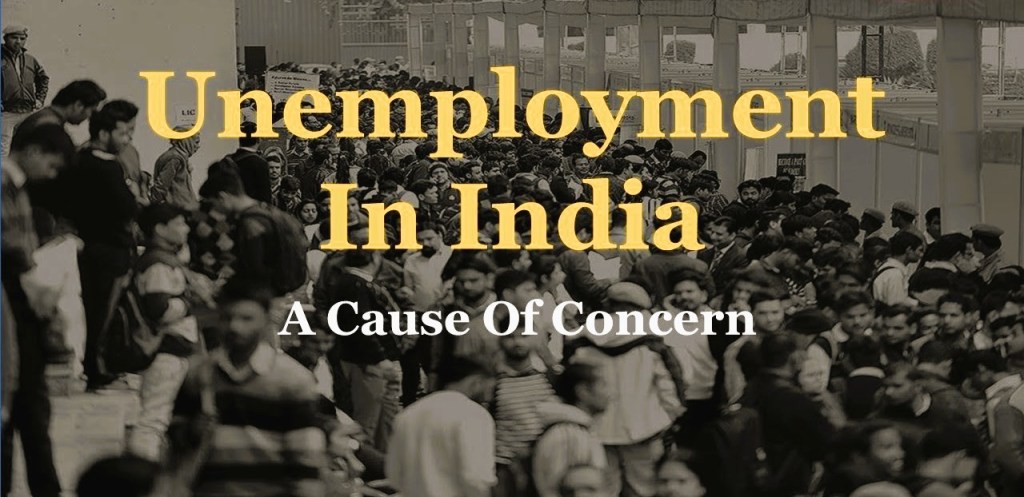
India stands at the crossroads of an employment paradox – a nation teeming with eager job seekers but grappling with a shortage of skilled workers. This dichotomy is a testament to a systemic flaw in the education and training framework, where the demand for skilled professionals outpaces the supply. The imminent risk is the potential squandering of the demographic dividend, with 40% of the 15-29 age group set to enter the labor force within a decade. Urgent measures are needed to provide meaningful employment opportunities for this burgeoning youth population.
The manufacturing sector’s failure to absorb the workforce adequately, coupled with rural areas heavily reliant on agriculture, presents a dual challenge. The proposed shift from agriculture to non-farm sectors, as outlined in the Plan, raises concerns of either job scarcity or the creation of low-productivity, low-paid positions due to a persistent skill mismatch. The current 8% formal employment rate adds to the predicament, demanding a critical evaluation of strategies to prevent the perpetuation of working poverty.
The path to improving youth employability demands a holistic strategy involving enhancements in education quality, job training, skill upgrading, and robust collaboration between industry stakeholders, policymakers, and training institutions. Simultaneously, there’s an imperative to generate sufficient decent jobs, particularly in the non-farm sector.

To address these challenges, the Indian government has placed a significant emphasis on skill development. Ambitious targets aim to skill 500 million individuals and 50 million. The National Policy on Skill Development focuses on enhancing the quality, quantity, access, and outreach of training, employing innovative measures such as virtual classrooms, mobile vans, and simulation-based training to reach remote areas.
The government’s initiatives, with 23 Central Ministries actively engaged in skill development, underscore a commitment to bridge the gap. Recognizing prior learning, implementing schemes like the STAR Scheme to incentivize trainees, and expanding access to education in rural areas through broadband networks demonstrate a multifaceted approach. Advocacy efforts raise awareness, while the establishment of Sector Skills Councils and National Occupational Standards aims to align education with industry needs.
Yet, a critical gap remains – the absence of a systematic labor market information system. To guide labor and training policies, the need for a data-driven approach becomes paramount.
Acknowledging manufacturing as a catalyst for growth, the government aims to create 100 million work opportunities. Sectors like textiles, gems & jewelry, and leather industry receive special attention. For those in self-employment, government support includes credit availability, market access, and technical assistance, as outlined in the Plan.

In conclusion, India faces a pivotal moment where unlocking the demographic dividend requires collaborative efforts between government, industry, and educational institutions. Bridging the gap between skill demand and supply necessitates a two-pronged approach – enhancing skill development and creating an environment conducive to the growth of the non-farm sector. As India navigates the intricacies of its employment landscape, the coming years must witness a concerted push towards policies that skill the workforce and create meaningful employment opportunities. Only through collaborative, strategic, and innovative efforts can India unlock the full potential of its demographic dividend, ensuring a prosperous and sustainable future for the nation.
visit arjasrikanth.in for more insights
 SOCIAL PERSPECTIVES