As Uttar Pradesh grapples with a surge in stray cattle due to strict cow slaughter regulations, farmers are facing unprecedented challenges. The impact on crops, road safety, and the farming community has ignited concerns. What lies ahead for the state’s agricultural landscape?
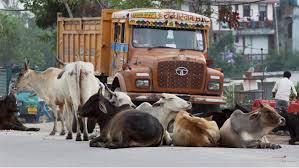
Uttar Pradesh, known for its agricultural heartland, is facing a burgeoning crisis – the surge in stray cattle. The clampdown on cow slaughter beyond productive age has inadvertently led to farmers releasing unproductive animals, resulting in a spike in stray cattle. This issue not only affects the farming community but also poses threats to crops, public safety, and the overall rural economy. This article delves into the causes, consequences, and potential solutions for the growing menace of stray cattle in Uttar Pradesh.
The proliferation of stray cattle has become a major nuisance for farmers in Uttar Pradesh. These animals, often released by farmers unable to bear the financial burden of their upkeep, wreak havoc on agricultural fields. Trampling crops, spreading diseases, and causing road accidents, stray cattle have become a multifaceted challenge.
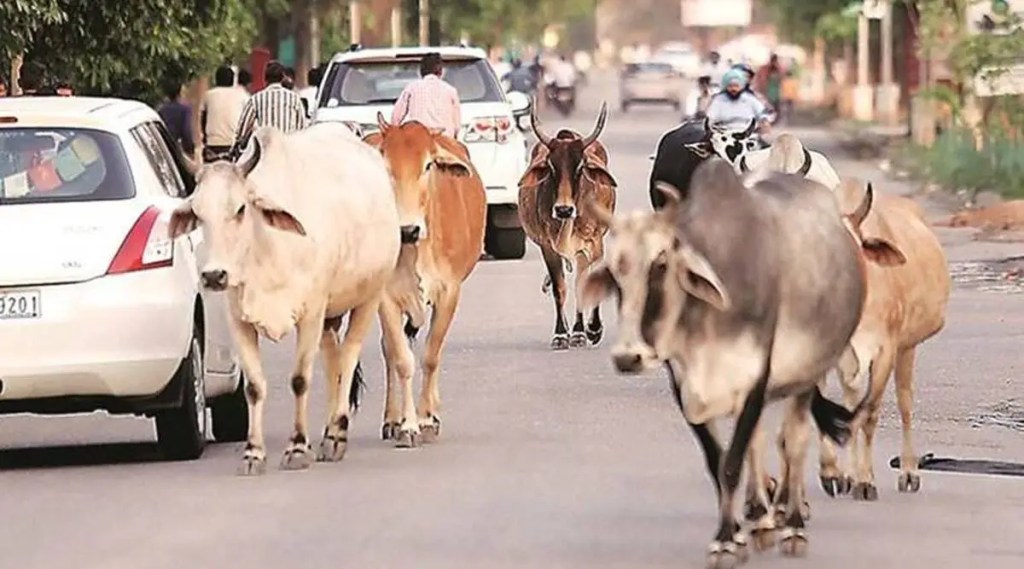
The primary cause of the stray cattle menace is the economic burden on farmers once cows stop giving milk. Unable to afford the maintenance of unproductive cattle, farmers opt to release them. The lack of a uniform policy across states regarding cattle slaughter exacerbates the issue.
Article 243(W) of the Constitution of India designates local bodies as responsible for cattle pounds and pinjrapoles. Despite legal provisions, the implementation remains a challenge. The Prevention of Cruelty to Animals Act, 1960, addresses the cruelty of abandoning animals, yet the problem persists.

Farmers in Uttar Pradesh, particularly those dependent on agriculture, are bearing the brunt of the stray cattle menace. The animals damage crops, including potato, wheat, barley, vegetables, and mustard, causing financial losses worth lakhs of rupees annually. The lack of sleep due to guarding fields at night has become a common practice, affecting the mental and physical well-being of farmers.
Promises made by political leaders to resolve the stray cattle issue have left farmers discontented. Despite assurances, concrete steps are yet to be taken on the ground. Farmers’ unions, accuse the government of neglecting their problems, leading to crop destruction and economic losses.
The Uttar Pradesh government claims to run over 6,000 cow shelters, housing more than 8 lakh stray cattle. However, the effectiveness of these shelters is questionable. A new initiative involving a ₹63 crore project for a sanctuary, set up by the national dairy development board, aims to house 5,000 animals in Muzaffarnagar. The success of this project remains to be seen, with challenges such as funding, organization, and sustainability.
As farmers threaten agitation, demanding swift resolution of the stray cattle issue, the government faces the challenge of implementing effective policies. A lack of a national policy exacerbates the problem, and the need for comprehensive measures, including mobile veterinary dispensaries, immunization coverage, and a feed and fodder mission, is crucial.
The surge in stray cattle in Uttar Pradesh underscores the complex interplay between agricultural practices, economic constraints, and political promises. Farmers, caught in the crossfire, are facing unprecedented challenges that threaten their livelihoods. As the government grapples with finding viable solutions, the need for a holistic approach, considering the welfare of both farmers and animals, is imperative. The outcome will shape the future of Uttar Pradesh’s agricultural landscape and determine the coexistence of humans and cattle in the state.
visit arjasrikanth.in for more insights
 SOCIAL PERSPECTIVES