“Karpoori Thakur: Architect of Social Justice and Pioneer of Inclusive Governance”
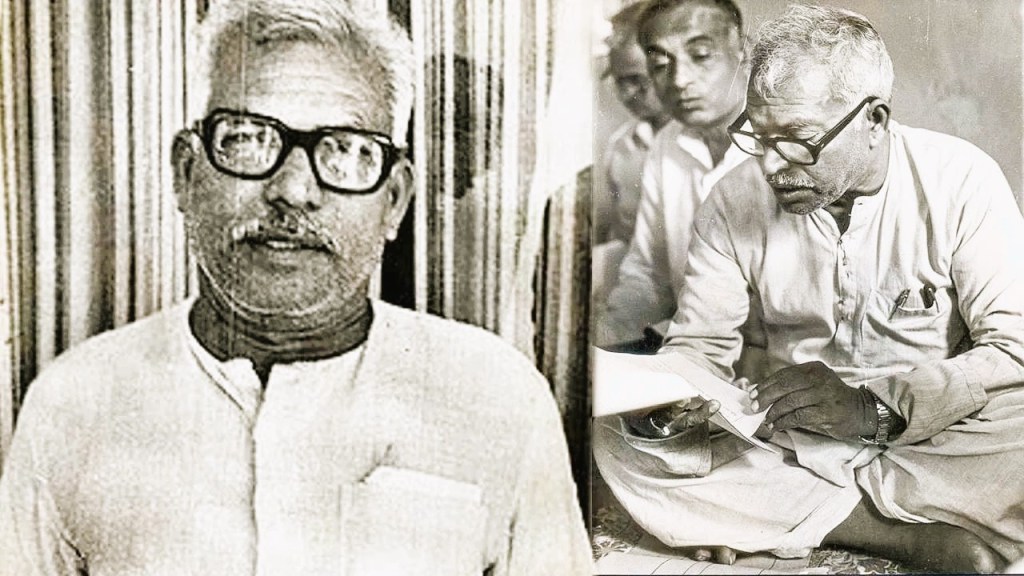
The imminent posthumous conferment of the Bharat Ratna upon former Bihar Chief Minister Karpoori Thakur is a testament to his indomitable spirit and unwavering commitment to social justice. Known as a beacon for the downtrodden, Thakur’s legacy transcends political realms, leaving an indelible mark on India’s socio-political fabric. As the nation prepares to honour him on his centenary, we delve into the life and contributions of this socialist icon.
Born in Samastipur, Bihar, Karpoori Thakur’s tryst with activism began during India’s freedom struggle. Jailed alongside other freedom fighters during the Quit India Movement, his relentless pursuit of pushing the British out of the country marked the early chapters of a remarkable journey.
Karpoori Thakur’s political journey, commencing with his victory in 1952, was characterized by widespread appeal stemming from his modest lifestyle and steadfast commitment to social justice. Advocating for the rights of marginalized communities, including scheduled castes, scheduled tribes, and other backward classes, Thakur’s political ideology was deeply rooted in inclusivity and equality.
A pivotal moment in Thakur’s tenure as Bihar’s Chief Minister from 1977 to 1979 was the implementation of the Mungeri Lal Commission recommendations. This move, known as the “Karpoori Thakur Formula,” introduced 26% reservation for backward classes in Bihar. The ripple effect of this policy was profound, setting the stage for the Mandal Commission recommendations in the 1990s and reshaping the political landscape of North India.
As an education minister, Thakur recognized the barriers posed by English as a compulsory subject at the matriculation level. In a transformative move, he abolished this requirement, making education more accessible for students. Thakur’s commitment to education extended further with the establishment of numerous schools and colleges, particularly in backward areas. Making education up to Class 8 free significantly reduced dropout rates and empowered the masses.
Thakur’s tenure witnessed ground breaking land reforms, redistributing land from Zamindars to landless Dalits. This earned him the title “Jannayak” or People’s Hero. Despite facing resistance and opposition from privileged classes, Thakur’s policies laid the foundation for future leaders to advocate for social justice.
The announcement of Bharat Ratna for Karpoori Thakur, on the eve of his 100th birth anniversary, has been met with widespread appreciation. Government of India’s acknowledgment of Thakur’s enduring efforts as a champion for the marginalized reflects the recognition of a stalwart of equality and empowerment.
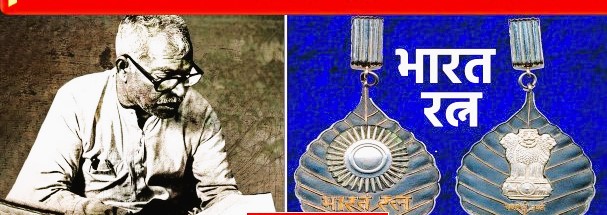
As the nation prepares to confer its highest civilian honour upon Karpoori Thakur, his life and legacy resonate as a source of inspiration. From his early days as a freedom fighter to the corridors of power, Thakur’s journey is a testament to resilience, dedication, and an unwavering commitment to the principles of social justice. The Bharat Ratna is not just an award; it is a recognition of a leader whose visionary leadership left an indelible mark on the socio-political fabric of India. Karpoori Thakur’s legacy continues to inspire, urging us to uphold the values of inclusivity, equality, and empowerment in our collective pursuit of a just and equitable society.
visit arjasrikanth.in for more insights
 SOCIAL PERSPECTIVES