“Reviving Cultural Heritage: Rebuilding Temples and Nurturing National Spirit”

The restoration of cultural and religious heritage is pivotal for shaping a nation’s identity and spirit. This article explores the significance of rebuilding temples as symbols of resilience, national pride, and unity in India’s historical context. Examining projects like the Kashi Vishwanath Temple Corridor, Mahakaleshwar Temple redevelopment, Ram Temple in Ayodhya, and the Shree Mandira Parikrama in Puri, it delves into the profound impact of temple restoration on national cohesion and cultural preservation.
Historical events, such as the Arabian armies’ conquest of Spain, offer insights into the resilience of nations. Despite attempts to break conquered spirits, history reveals instances where nations, upon reclaiming their heritage, rebuilt with remarkable dedication. This historical resilience guides the endeavour to revive cultural heritage, emphasizing the enduring strength embedded in reclaiming one’s identity and rebuilding a nation’s cultural legacy.
Understanding the purpose behind the destruction of grand structures like temples is crucial. Invaders aimed not only to plunder but to shatter the backbone of the human spirit. The act of restoration transcends physical reconstruction; it becomes a profound endeavour to reclaim the nation’s pride and reignite a sense of unity among its people.

The issue of rebuilding temples in India spans over seven decades. The lack of enthusiastic engagement in cultural heritage reconstruction can hinder a nation’s progress. Rectifying this imbalance entails nurturing a collective national spirit, rekindling a shared sense of identity, and pride through the restoration of cultural landmarks.
Preserving cultural ethos becomes imperative amid demographic challenges. India’s youthful demographic dividend holds immense potential, but without a profound appreciation for cultural pride, it risks diluting the national spirit. Fostering a sense of cultural identity among the younger generation is pivotal for preserving and revitalizing India’s diverse cultural tapestry.

The Kashi Vishwanath Temple Corridor project, costing around INR 800 crore, reflects India’s commitment to preserving cultural and spiritual heritage. The triumphant revival triggers a cultural renaissance in Varanasi, attracting cultural tourism, and showcases the nation’s dedication to safeguarding its rich legacy.
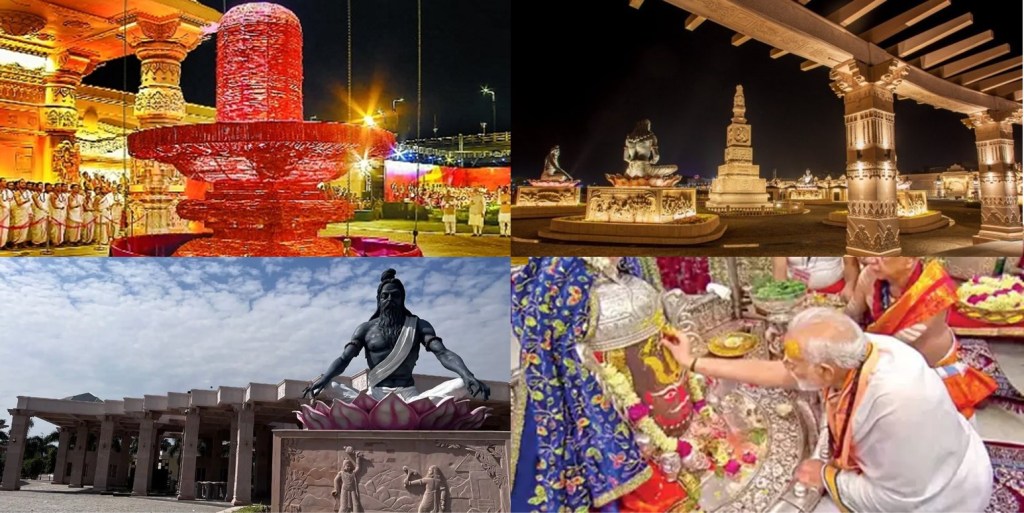
The grand redevelopment of the Mahakaleshwar Temple in Ujjain, costing around Rs 850 crore, emphasizes the conservation and restoration of heritage structures. The holistic project signifies a commitment to preserve cultural and spiritual heritage and enhance devotee facilities, fostering national unity.
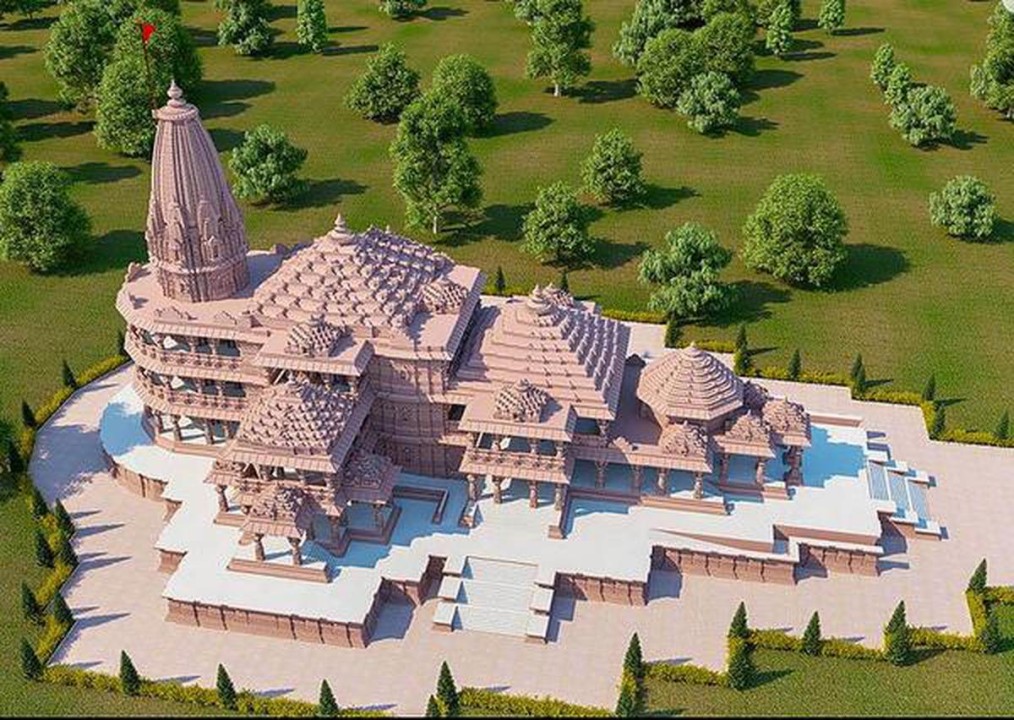
The construction of the Ram Temple in Ayodhya, anticipated to conclude by December 2021, symbolizes the triumph of cultural restoration. The estimated cost of around Rs 1,800 crore covers construction, materials, labor, and administrative expenses. The project’s progress is on track, and the inauguration is by Prime Minister Narendra Modi on 22 January 2024.

Days before the Ram Temple consecration, the Shree Mandira Parikrama project around Puri’s Jagannath Temple, costing Rs 800 crore, aims to transform Puri into a world-class heritage city. Overcoming hurdles, including legal challenges, the grand opening is planned in January 2024, inviting representatives from nearly 1,000 temples.
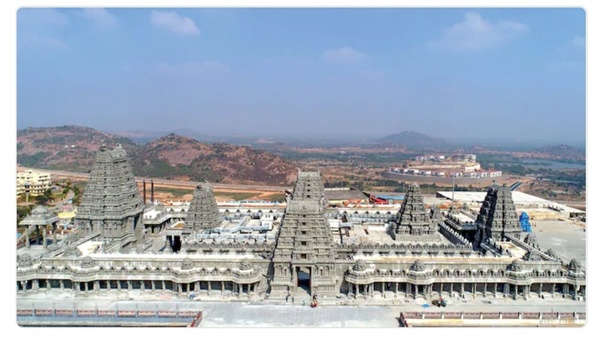
The rejuvenation of the Yadagirigutta Temple, now known as Yadadri, with a budget of Rs 1,000 crore, exemplifies India’s commitment to preserving cultural and spiritual heritage. The successful restoration underscores the nation’s dedication to safeguarding its rich legacy for future generations.

Rebuilding temples in India transcends a mere physical endeavour; it symbolizes the restoration of national pride, unity, and cultural heritage. Ensuring a harmonious restoration requires leaders from diverse communities to engage in constructive dialogue. Nurturing the nation’s spirit, comprehending its cultural ethos, and actively involving the population are imperative for India’s sustained growth. Amidst changing demographics, leveraging the talents of Non-Resident Indians (NRIs) becomes crucial for India’s global ascent. Temple restoration is not just an architectural revival; it signifies a spiritual renaissance, anchoring the nation in its cultural roots and propelling it towards a future marked by unity, pride, and continuous growth.
visit arjasrikanth.in for more insights
 SOCIAL PERSPECTIVES