Navigating the Controversies and Transformations in Andhra Pradesh’s Politics

The political landscape of Andhra Pradesh has undergone significant shifts in recent years, marked by controversies and strategic decisions. This article aims to navigate through the challenges and changes, exploring the controversies surrounding Government , the aftermath of the 2019 elections, and the strategic decisions made by the YSRCP in shaping the state’s political future. Additionally, it delves into the significance of local leadership, the impact of historical lessons, and the importance of embracing change in the realm of Andhra Pradesh’s politics.
Andhra Pradesh, once a region known for its vibrant political dynamics, has recently faced a series of controversies, casting a shadow over its governance and integrity. The current Government after a sweeping victory in the 2019 elections, has been embroiled in allegations ranging from involvement in illegal mining to connections with liquor and sand mafia activities. These accusations have not only tarnished the image of the government but have also fuelled concerns about the state’s progress and economic growth.
Critics argue that the actions taken by the State Government including neglecting central government projects, have set Andhra Pradesh back by decades. The state’s commitment to development has been called into question, raising doubts about its ability to attract investments and foster economic prosperity. The controversies surrounding the State Governance have become a focal point in the political discourse, with stakeholders expressing their concerns about the direction in which the state is heading.
In response to the challenges and controversies, the YSRCP has embarked on a journey of strategic changes in its local leadership. The party’s decision to appoint new in-charges for constituencies is a calculated move aimed at countering anti-incumbency sentiments and securing a majority in the upcoming elections. YS Jagan Mohan Reddy’s vision, as articulated by the party, involves winning a staggering 175 constituencies and potentially replacing up to 50 legislators.
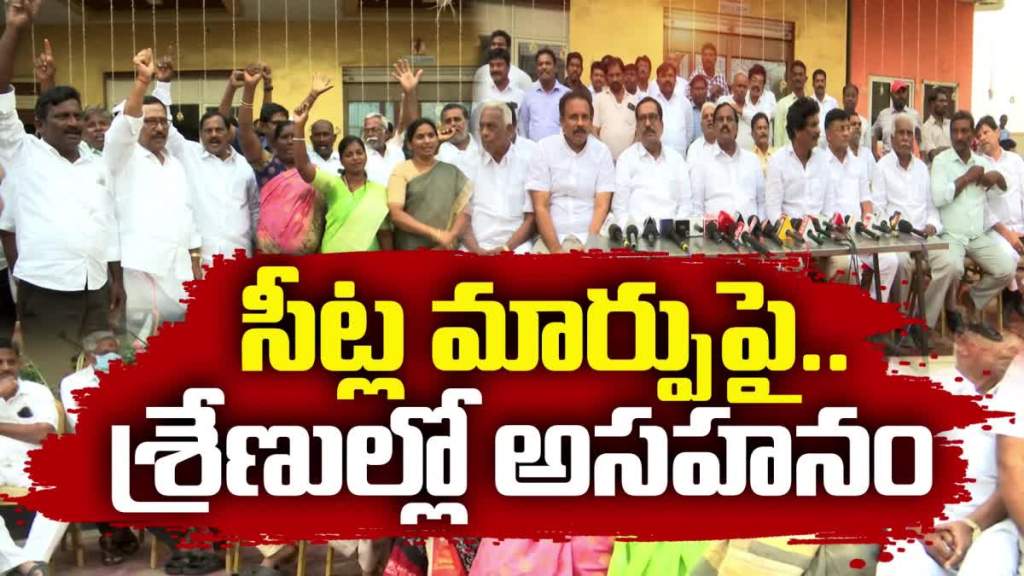
This strategic overhaul underscores the YSRCP’s commitment to performance-based decision-making and teamwork. By acknowledging the need for change within its ranks, the party is signalling a willingness to adapt and respond to the evolving political landscape. The sweeping victory of the YSRCP in the 2019 elections may have influenced YS Jagan Mohan Reddy’s strategy, leading him to believe that the people voted for his leadership rather than focusing on local leadership and MLA candidates.
The 2019 elections, which catapulted the YSRCP to power, marked a turning point in Andhra Pradesh’s political history. The majority win seemingly reinforced the notion that the electorate had voted based on the charismatic leadership of YS Jagan Mohan Reddy. However, this realization has prompted the YSRCP to make bold decisions that might reshape the party’s trajectory.
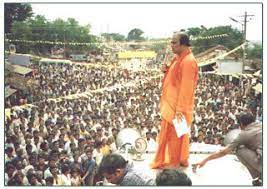
A parallel can be drawn with the political landscape of the 1980s when N. T. Rama Rao rose to prominence. The emphasis on the leader’s persona over the local representatives led to transformative changes, and the YSRCP’s current strategy may serve as a reminder of the lessons learned from history. The treatment of MLAs with less dignity and disrespect might mirror the political manoeuvres of the past, and the party risks repeating the mistakes that history has witnessed.
In the ever-evolving world of politics, adaptability is key to survival and success. The YSRCP’s decision to replace MLAs and make strategic moves demonstrates their readiness to embrace change and respond to the needs and aspirations of the people. While the outcome of these changes remains uncertain, the party’s commitment to counter attack anti-incumbency is evident.
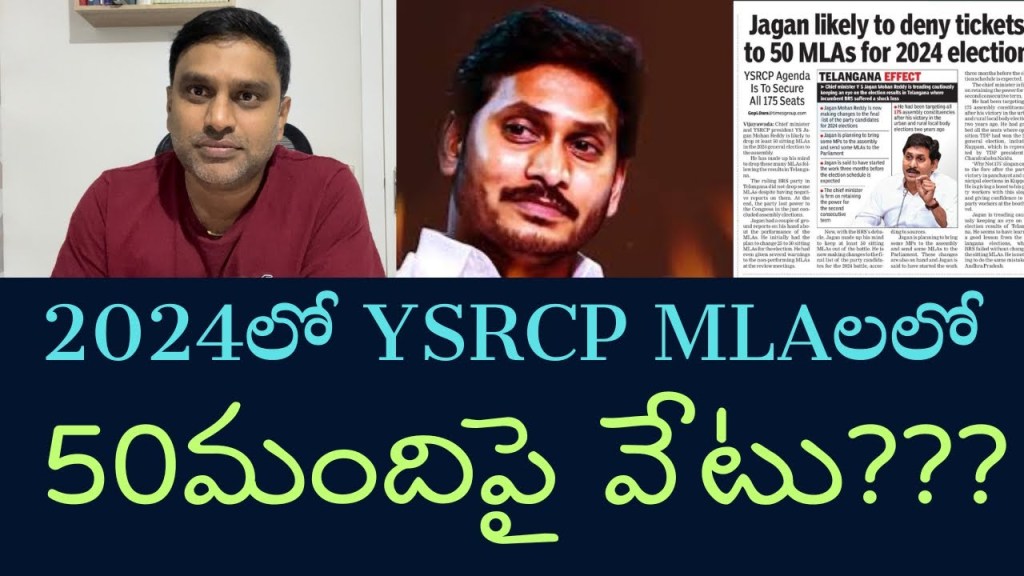
As history has shown, anything can happen in politics, and being open to change is crucial for long-term success. The YSRCP’s ability to navigate through controversies, learn from historical parallels, and strategically adapt to the evolving political landscape will shape the party’s future and, consequently, the future of Andhra Pradesh.
Andhra Pradesh stands at a crossroads, grappling with controversies, strategic changes, and the ever-present need for political adaptability. The controversies have raised questions about governance, integrity, and the state’s commitment to development. The YSRCP’s strategic decisions, including the overhaul of leadership and emphasis on performance-based decision-making, reflect a proactive approach to counter anti-incumbency sentiments.
The aftermath of the 2019 elections and historical parallels offer valuable lessons for the YSRCP as it navigates the complex political terrain. The party’s focus on the leader’s persona and strategic changes in constituencies evoke memories of transformative political movements in the past. The lessons from history underscore the importance of balancing leadership charisma with the strength of local representatives.
As Andhra Pradesh prepares for the upcoming elections, the choices made by the electorate will shape the state’s political trajectory. It is crucial for the people to carefully consider the potential consequences of these choices and remain open to change for a better and prosperous Andhra Pradesh. The political landscape is dynamic, and the ability to adapt and learn from the past will determine the state’s political destiny.
visit arjasrikanth.in for more insights
 SOCIAL PERSPECTIVES