Prime Minister Narendra Modi is silently making the best efforts to create a new Bharat, leaving behind British names and practices, with the aim of propelling India to become one of the top three developed nations in the world within the next five years.
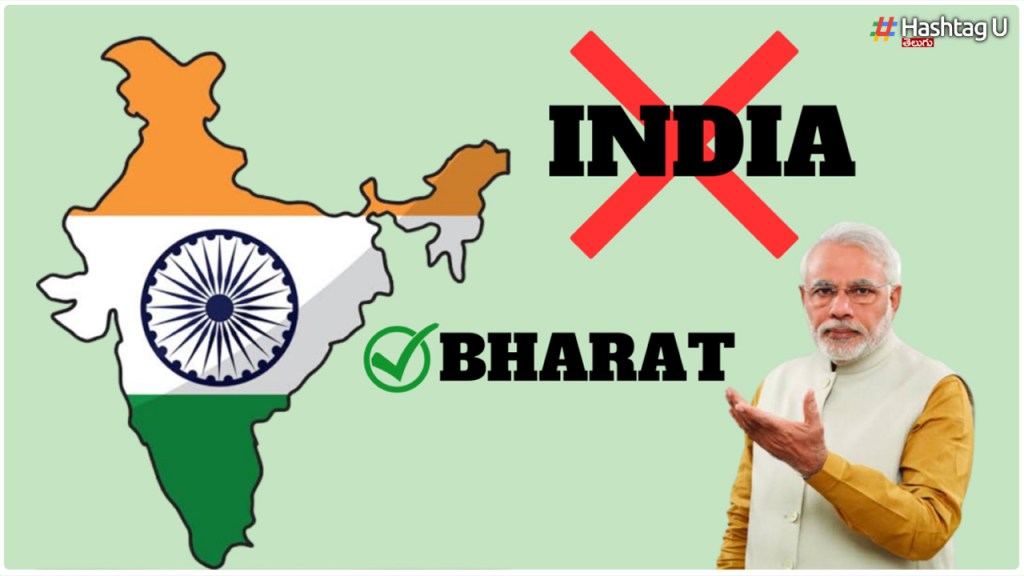
In a bold and visionary move, Prime Minister Narendra Modi has embarked on a transformative journey to reshape India’s identity by reclaiming its historical and cultural roots. By changing the name of British India to Bharat, he aims to foster a collective sense of pride and unity among the Indian people. This article explores the various initiatives undertaken by the Prime Minister to create a new Bharat, free from the shackles of colonialism, and position India as a global leader in the next five years.
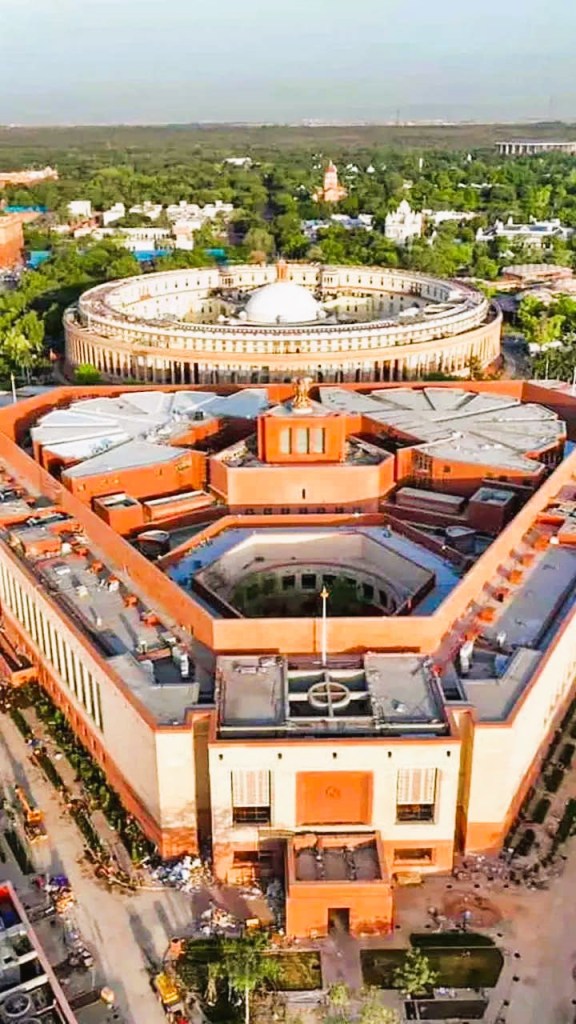
One of the cornerstones of Prime Minister Modi’s vision is the construction of a new Parliament Bhavan. This architectural marvel will not only provide a modern and technologically advanced environment for lawmakers but also infuse elements inspired by India’s rich cultural heritage. The incorporation of traditional motifs and architectural styles will evoke a sense of pride and identity among the citizens, while state-of-the-art facilities will enable efficient legislative proceedings and informed decision-making.
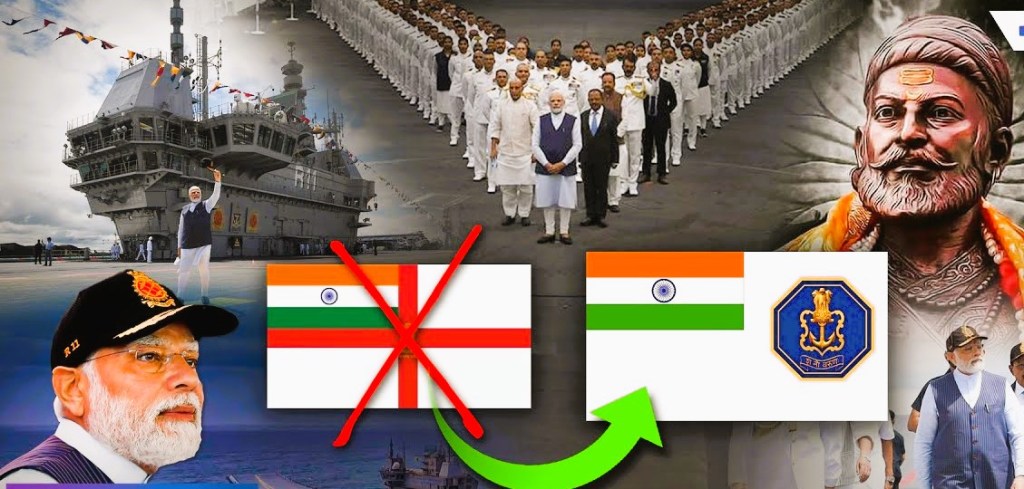
To showcase India’s rich maritime history and assert its cultural identity, the Indian Navy has replaced the British symbols on its flag with the emblem of Chhatrapati Shivaji Maharaj. This significant change signifies a shift towards recognizing and honouring indigenous heroes and their contributions to the nation. The inclusion of Shivaji’s emblem on the navy flag pays homage to his courage, valour, and indomitable spirit, instilling a sense of pride and purpose among the naval personnel.
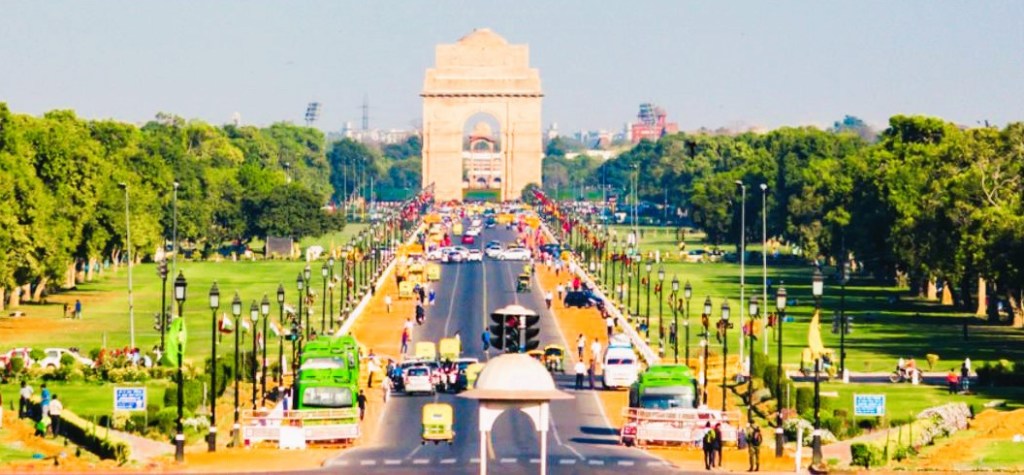
In another move to reclaim India’s cultural identity, the Indian government has decided to rename Rajpath, the iconic ceremonial boulevard in New Delhi, to Karthavya Path. This renaming initiative aims to reflect the true essence of India’s heritage and emphasize the nation’s commitment to its responsibilities. The term “Karthavya” signifies duty and purpose, aligning with India’s philosophy of fulfilling one’s obligations towards the nation and society.
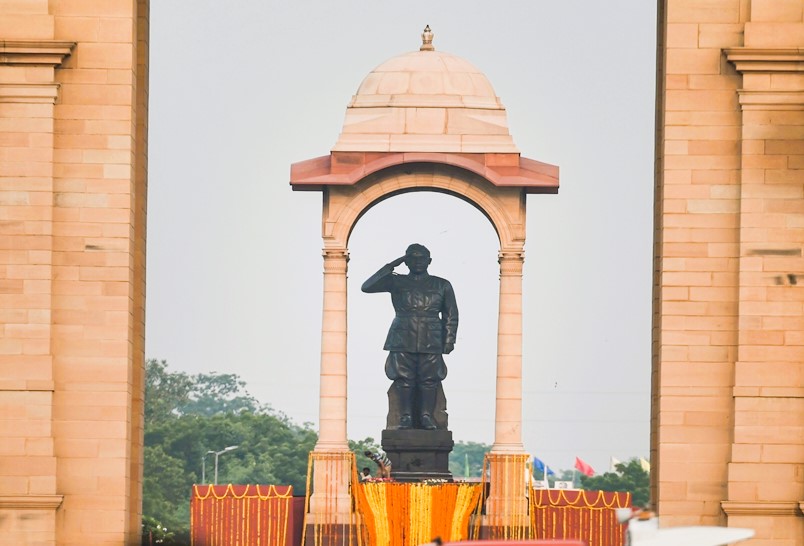
To honor the contributions of India’s freedom fighters and redefine the nation’s historical narrative, the government has erected Subhas Chandra Bose’s statue in place of the British statues at India Gate. This gesture pays tribute to one of the most influential leaders of India’s independence struggle and serves as a powerful reminder of the sacrifices made by countless individuals towards the nation’s freedom.
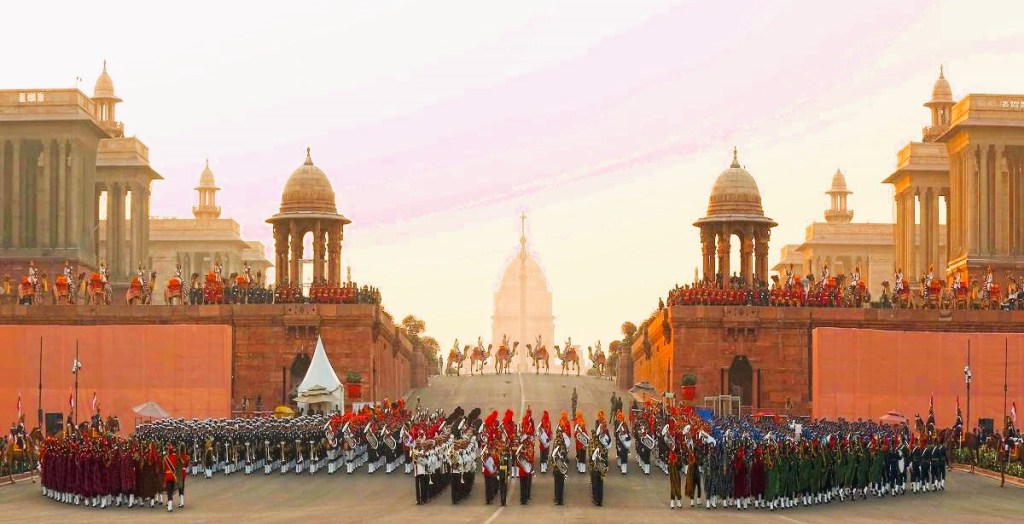
Prime Minister Modi has announced the changing of the Beating Retreat song from its British colonial origins to an iconic Hindi song by the legendary Lata Mangeshkar. This decision reflects the government’s commitment to honoring India’s rich heritage and showcasing its vibrant traditions on a global platform. By embracing indigenous music, the government aims to promote Indian culture and foster a sense of national pride and unity.
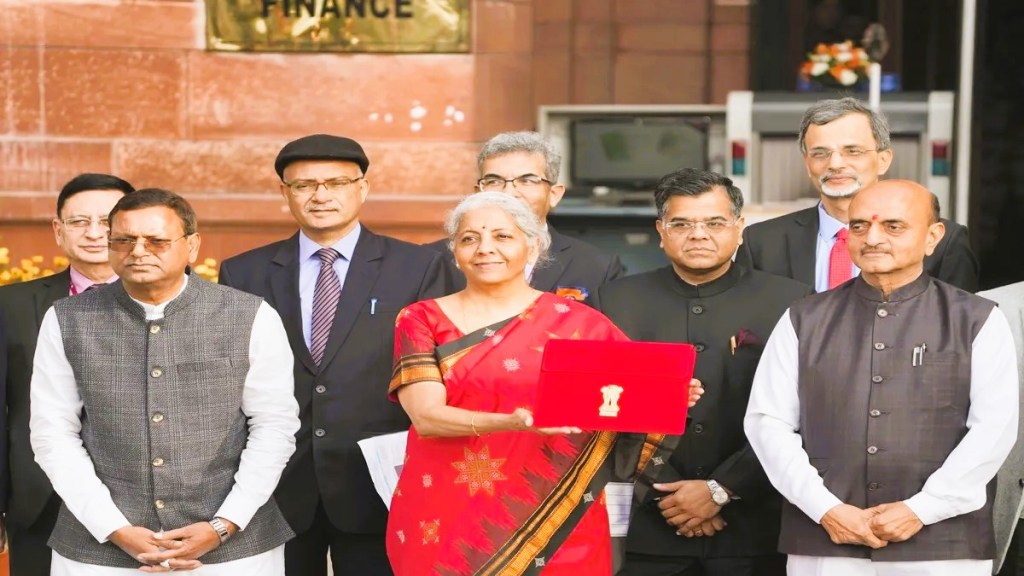
In a departure from the British colonial tradition, the Indian government has decided to replace the iconic red briefcase with an Indian-made tab for presenting the budget. This decision reflects the government’s commitment to promoting indigenous products and shedding the remnants of colonial symbolism. The move highlights India’s technological advancements and supports the “Make in India” initiative.
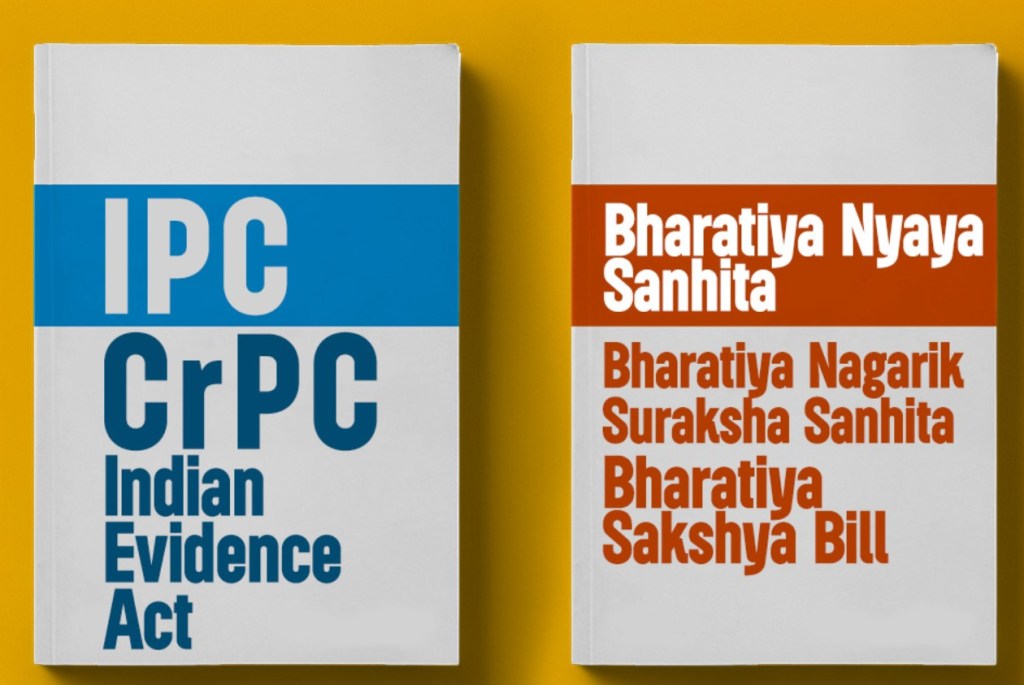
The Modi government has revised the Indian Penal Code (IPC), replacing the outdated British-era code with the Bharatiya Samhita. This reform aims to update archaic laws and incorporate modern-day procedures, addressing contemporary challenges. By modernizing the IPC, the government seeks to ensure that laws align with the needs and aspirations of the Indian society and promote a sense of justice and fairness.

Prime Minister Modi has renamed the iconic Mogul Gardens in Rashtrapati Bhavan to Amrit Udhyan, emphasizing the importance of connecting with India’s cultural heritage. This renaming initiative creates a sense of pride and belonging among the Indian populace, encouraging the appreciation and protection of the nation’s cultural treasures. It serves as a reminder of our shared history and the need to nurture our cultural identity in a rapidly changing world.
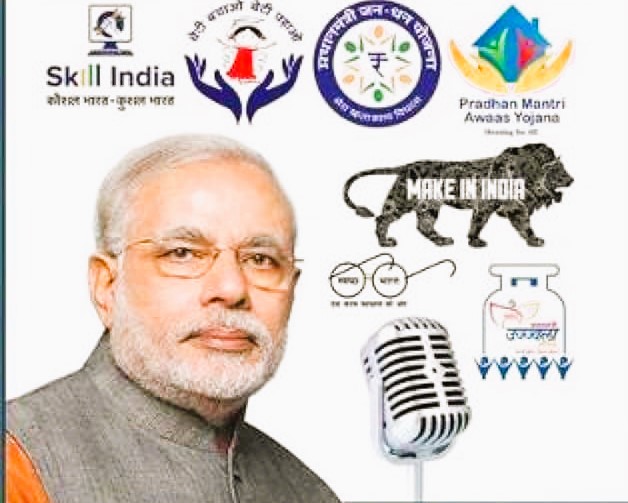
Prime Minister Narendra Modi’s silent yet powerful efforts to create a new Bharat, free from British names and practices, are poised to transform India into one of the top three developed nations in the world within the next five years, Through initiatives such as the construction of a new Parliament Bhavan, the replacement of colonial symbols, the renaming of iconic landmarks, and the promotion of indigenous art, culture, and traditions, Prime Minister is Promoting indianness. This is a step towards reclaiming India’s identity and celebrating its rich heritage. The renaming of iconic landmarks is another way to assert India’s independence and uniqueness. Prime Minister Narendra Modi’s determination and vision are driving this transformation, and the future of a new and developed Bharat seems promising.
visit arjasrikanth.in for more insights
 SOCIAL PERSPECTIVES