“Nandamuri Taraka Rama Rao (NTR): Architect of Andhra Pradesh’s Political Renaissance”
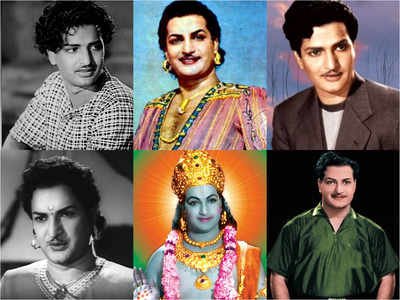
As the sun sets on another day, it marks the solemn occasion of the death anniversary of a political luminary, Nandamuri Taraka Rama Rao (NTR), who not only graced the silver screen as a legendary actor but also left an indelible mark on the political landscape of Andhra Pradesh. This article pays homage to the iconic leader, tracing his extraordinary journey from the world of cinema to the echelons of political power.
NTR’s foray into politics was not a calculated move but a response to the prevailing socio-political milieu. In the late 1970s, Andhra Pradesh was ensnared in political instability, with frequent changes in leadership leading to disillusionment among the populace. The Congress party’s dominance faced internal strife, prompting NTR to contemplate his role in serving the people beyond the silver screen.

The turning point came in 1982 when NTR, at the age of 60, embarked on a transformative journey by establishing the Telugu Desam Party (TDP). Fueled by a deep sense of gratitude towards the people who had supported him, he envisioned a political platform that would echo the aspirations and concerns of the Telugu-speaking populace. The party’s name itself, “Telugu Desam,” resonated with a call for regional pride and empowerment.
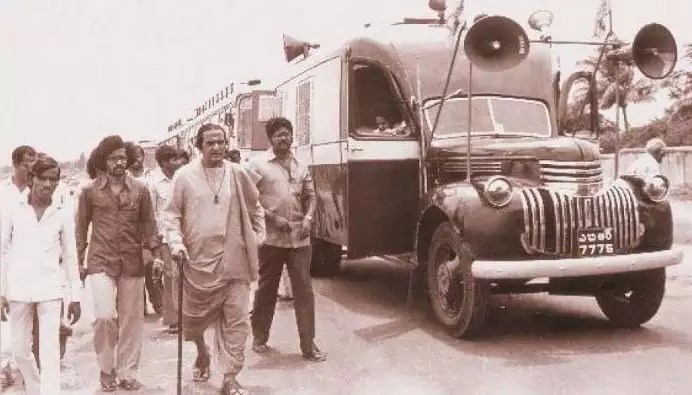
The announcement of the new party marked the beginning of a whirlwind political campaign. NTR, equipped with a refurbished Chevrolet van transformed into a mobile stage, traversed the length and breadth of Andhra Pradesh. This unique campaign strategy, dubbed the “Chariot of Consciousness,” became emblematic of his commitment to connect with the masses directly.
NTR’s meteoric rise in Andhra Pradesh politics was nothing short of a political tsunami. In a remarkable feat, the Telugu Desam Party secured a landslide victory within a span of nine months, ending the decades-long monopoly of the Congress party in the state. NTR assumed the role of Chief Minister, heralding a new era of governance that prioritized the welfare of the common man.
True to his promise, NTR dedicated 15 days of every month to the service of Telugu people. This commitment went beyond political rhetoric, becoming a symbol of his unwavering dedication to the well-being of the citizens. His populist policies aimed at upliftment, education, and healthcare endeared him to the masses.
NTR’s tenure as Chief Minister spanned an impressive three terms, a testament to the faith reposed in him by the people. During this period, he implemented groundbreaking initiatives that touched every facet of society, including welfare programs, agricultural reforms, and infrastructure development. His governance style was characterized by transparency, accountability, and a steadfast commitment to inclusive growth.

NTR’s political journey was not without its share of challenges. His government faced a brief interregnum in 1984 when it was overthrown by the central government, only to return to power through democratic means. His leadership faced criticism, and yet, he remained resolute in his pursuit of a prosperous and empowered Andhra Pradesh.

While NTR’s political legacy remains unparalleled, his contributions extended beyond the realm of governance. As a cultural icon, his influence on Telugu cinema reverberates to this day. His philanthropic endeavours, including the establishment of the Basavatarakam Indo American Cancer Hospital, showcased his commitment to humanitarian causes.
As we remember Nandamuri Taraka Rama Rao on his death anniversary, we pay tribute to a leader who transcended the boundaries of politics and entertainment. NTR’s vision, commitment, and service to the people of Andhra Pradesh have etched his name in the annals of history. His enduring legacy continues to inspire generations, reminding us of the transformative power of leadership dedicated to the welfare of the people.
visit arjasrikanth.in for more insights
 SOCIAL PERSPECTIVES